Politics
UK politics: Starmer and Home Secretary clash deepens
UK politics row deepens as Starmer calls for a minister to be removed, the Home Secretary urges due process, and No 10 faces sustained parliamentary scrutiny.

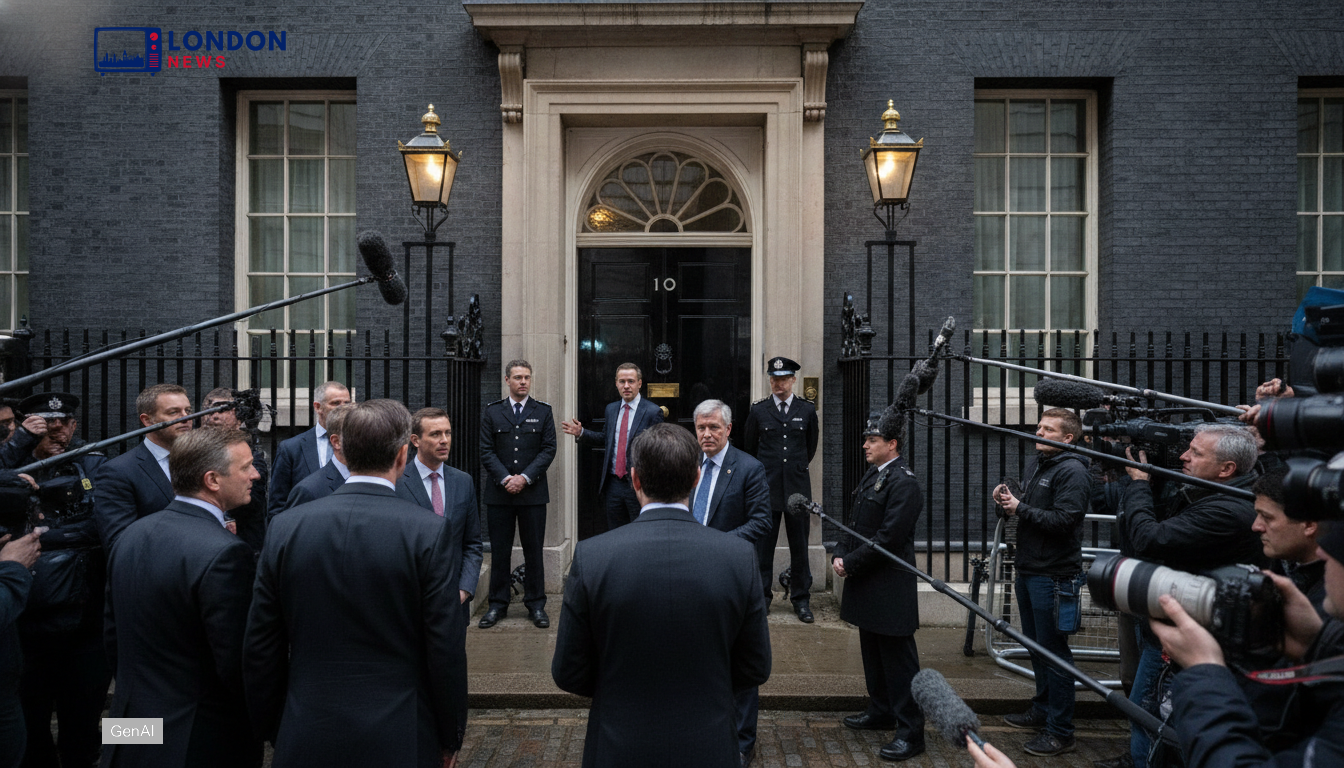
UK politics: Starmer calls for minister to be removed
Keir Starmer intensified pressure on the government this week by demanding a minister be removed from post after a dispute broke open, as available reports indicate. He framed the argument as a test of standards in UK politics, suggesting the minister could no longer credibly carry out the role and that accountability must apply at the top of government. Starmer suggested the issue will stay on the parliamentary agenda via formal questioning and media scrutiny. He did not set a deadline for action, but implied ministers should not expect the row to fade. With a heavy Commons timetable, his intervention landed as departments geared up for another round of questions.
Home Secretary response and the process No 10 must follow
The Home Secretary pushed back, remarking that the decision rests with the Prime Minister and that due process must be followed before any employment judgment is made, as indicated by political reports. She argued UK politics should not become a mere commentary on personalities and directed attention to parliamentary procedure and the official record. Her office pointed to scheduled work on Home Office issues, including scrutiny on Settlement, Citizenship and Integration – UK Parliament. For an example outside Westminster, Portugal cultural patronage law reforms under review provides a case study.
No 10 position and what Parliament can test next
Downing Street attempted to contain the fallout by stating that the Prime Minister retains confidence in the minister while any internal review continues, according to statements quoted by Westminster reporters. No 10 mentioned ministers should answer for their conduct in Parliament, asserting that accountability mechanisms are in motion. Focus is turning to what MPs can do to keep pressure on, such as Topical Questions – UK Parliament. For those following Westminster dynamics, EU entry exit system delays: what UK travellers face illustrates how political rows can affect policy timelines.
Implications for government cohesion and the Home Office brief
The dispute raises questions about coordination between No 10 and the Home Office at a time when parliamentary scrutiny is high, with the 21 May 2026 guidance motion now a live reference point. Such rows can quickly become a test of internal authority. The Home Secretary is seen by some as defending process, while Starmer positions himself as a benchmark for standards. More time may be spent on message control, and disagreements could complicate legislative management. Parliamentary scheduling adds pressure points, like sessions tied to House of Lords committee work on settlement and integration. The guidance motion laid on 21 May 2026, as per the parliamentary record, can also prompt discussions: Disapprove the draft Equality Act 2010 guidance laid on 21 May 2026 – UK Parliament.
Public reaction, media focus, and Labour implications
Reaction has been rapid across media, focusing on internal authority and decision making. BBC UK politics highlights that ministerial appointments are a Prime Ministerial prerogative, with attention on the political costs of uncertainty, according to the BBC’s analysis. On social platforms, discussions reflect a divide between immediate dismissal arguments and waiting for formal findings, mirroring distrust in political messaging. For Labour observers, the clash ties into leadership narratives, including speculation tracked in Is Andy Burnham next Labour leader? Swift bid tipped, impacting how the opposition frames standards and authority.