Tech
Royal Observatory warns instant AI dulls learning
Royal Observatory warns instant AI answers may erode learning habits. This briefing tracks AI and human intelligence concerns as tools spread in classrooms.

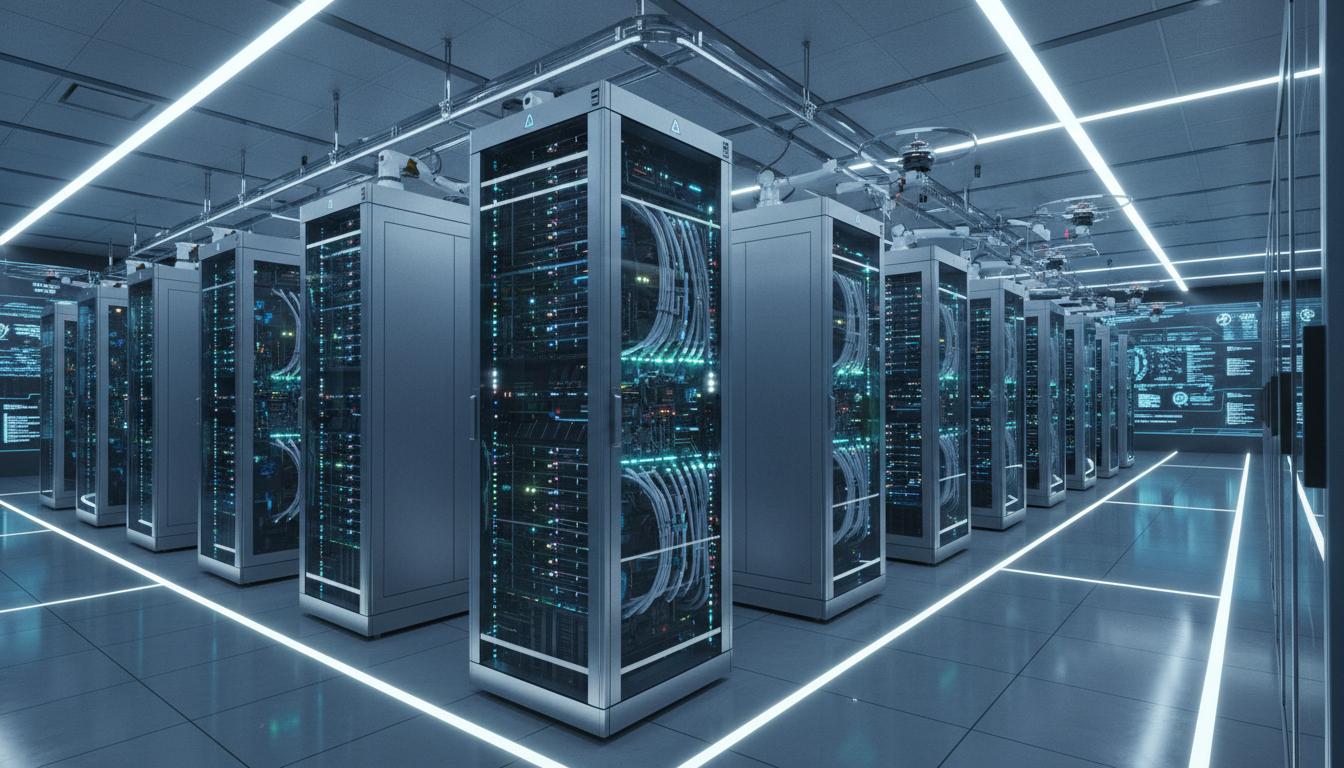
AI Threatens to Undermine Human Wisdom
Editors tracking technology policy Today are watching a sharper warning from educators and museum leaders about how instant answers reshape learning. In public remarks framed around classroom habits and everyday search, the Royal Observatory cautioned that the friction of working things out is part of what makes understanding durable, as AI and human intelligence becomes the central tension for teachers trying to keep reasoning skills visible. The concern is not that tools exist, but that constant automation can condition people to stop checking assumptions. Live debates in UK schools increasingly focus on how to assess thinking, not just outcomes. That shift is pushing institutions to restate why struggle matters in knowledge work.
Royal Observatory’s Historic Insight on Learning
The Royal Observatory is leaning on its own history of measurement and observation to make a modern point about human knowledge. Curators note that astronomy advanced through careful logs, repeated calculations, and the discipline of comparing results, which are habits that disappear when answers arrive fully formed. A related Update in the broader tech sector shows assistants moving into daily routines, including health documentation, as described by TechCrunch in its report on Kin Health AI notetaker funding. That expanding footprint makes the ai vs human intelligence question practical rather than philosophical. The Observatory’s message is that even when AI is correct, the learner may lose the process that builds judgment.
Balancing AI and Human Knowledge
Officials in education and heritage circles say balance requires designing moments where people must explain their steps, not just produce a final response. That approach sits behind a Live push for oral reasoning, notebook evidence, and peer review in some UK classrooms. For readers following policy crosscurrents Today, a parallel debate about enforcement and tech tactics is reflected in AI vigilante sting leads to France paedophile arrest, which underscores how automation can influence decisions with high stakes. The same frame appears in newsroom practice, where editors increasingly annotate what tools were used and what was independently verified. In the middle of these discussions, AI and human intelligence is treated as a design problem: when to delegate, and when to slow down on purpose.
Avoiding Overreliance on Artificial Intelligence
A practical safeguard gaining attention is limiting AI use at the start of tasks and allowing it later for checking, summarising, or formatting. Several UK teachers interviewed by the BBC in recent segments on assessment changes have stressed that early drafting is where misconceptions surface and can be corrected. Another Update comes from consumer platforms: TechCrunch described how Amazon Alexa+ can generate podcast episodes, a reminder that auto generation now touches learning content itself. In London education circles, some schools are also watching the smart device pipeline, including coverage of smart glasses and privacy fears, because always on interfaces reduce the chance to think privately before answering. Overreliance, leaders say, is a habit formed through convenience.
Future of Human Intelligence Amid AI Rise
For institutions like the Royal Observatory, the next phase is less about banning tools and more about documenting what good reasoning looks like under pressure. They argue that AI impact should be evaluated by whether people can still interpret evidence, notice anomalies, and revise beliefs when new information arrives, a point raised in Greenwich by staff who lead public telescope sessions for school groups. That emphasis shapes public programming, where demonstrations highlight how long it takes to produce a trustworthy result and why uncertainty needs to be recorded. Within that frame, AI and human intelligence becomes a civic issue because decision making depends on citizens who can challenge outputs and trace claims back to sources. A Live expectation is that regulators will ask for clearer audit trails in education and public services. The immediate priority is protecting learning as an active practice, not a passive receipt of answers.