Politics
Greens Surge as Labour Slips in London Votes 2026
Green gains reshape London politics after Labour losses. Track london borough elections 2026 with what it means for councils, turnout and strategy.

The Shift in London’s Political Landscape
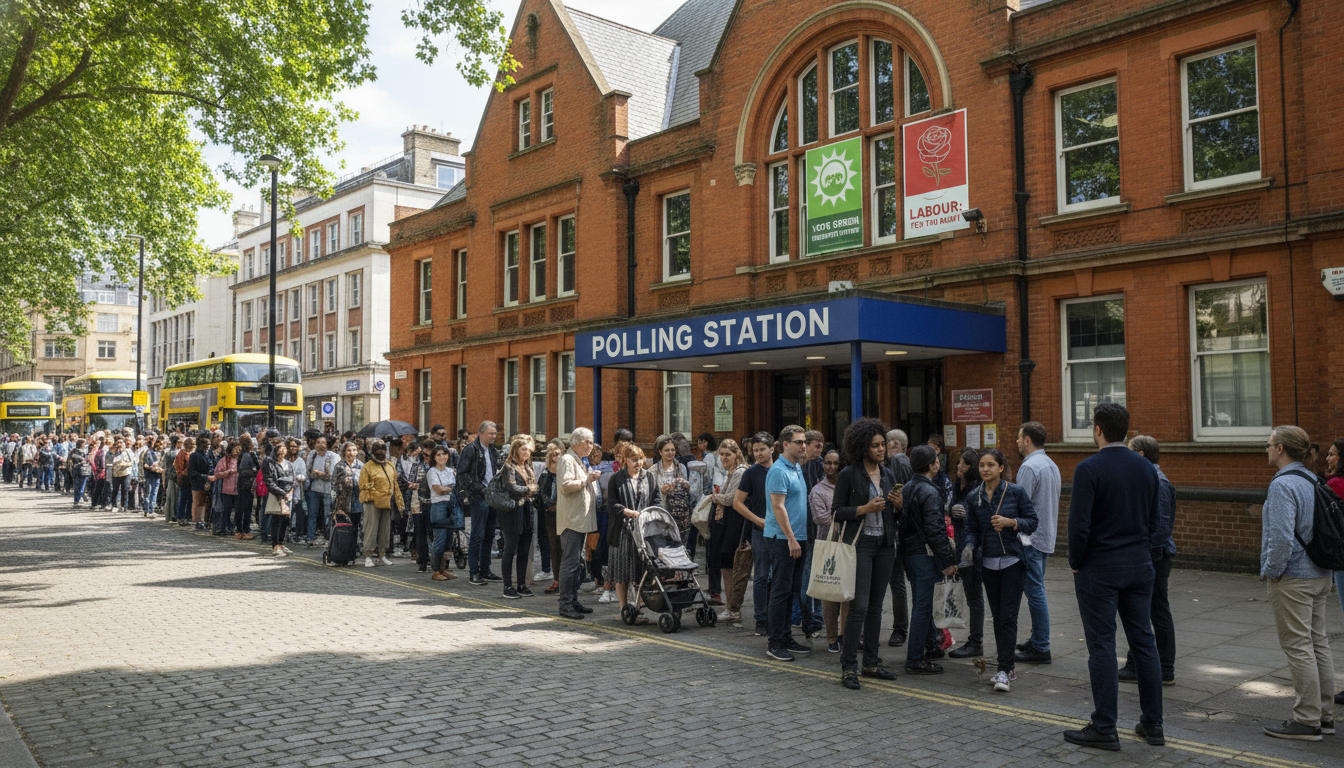
Counting across boroughs has sharpened the political picture as results settle into place. BBC News described the pattern as Labour support sinking in the capital while the Greens made gains, and the council arithmetic now reflects that movement. In the middle of the count, london borough elections 2026 became the main reference point for strategists measuring whether protest votes turned into seats. Today, campaign teams are already mapping ward level swings and turnout patterns for the next cycle. Live briefings from party headquarters have focused on which coalitions can control committees and scrutiny. An Update from returning officers has also highlighted how close several margins were in traditionally safe areas.
Key Factors Behind Labour’s Decline
Labour figures have linked their losses to a mix of local service pressures and national headwinds, while insisting their core vote remains recoverable. In interviews carried by BBC News, organisers pointed to frustration over housing delivery, street maintenance and perceived responsiveness at town halls. Today, candidates in tight wards have cited doorstep anger about bills and reliability of bus services as decisive factors. A separate Live stream of election coverage has shown incumbents struggling when opposition parties framed the vote as a mid term verdict. Policy agendas elsewhere also shaped the backdrop, and campaigners referenced Parliament petitions such as Nature based flood and drought resilience petition to argue that visible local action matters. Labour expects an Update on recounts in a handful of wards to confirm the final scale.
The Rise of the Green Party in London
Green campaigners treated the night as validation that their message can travel beyond a few strongholds, and they credited year round organising rather than late surges. In one high traffic example, a party spokesperson linked the moment to broader civic engagement, pointing supporters to Pope Leo XIV’s First Year, a Mission of Unity as a reminder of community level outreach, even outside politics. The BBC News account of gains has been echoed by ward agents who say they targeted renters and younger voters with small group canvassing. Today, the Green leadership has used Live appearances to argue that climate policy can be paired with practical cost of living offers. They also promised an Update on committee priorities, including air quality enforcement and planning scrutiny, once groups meet to allocate chairs.
Implications for Future London Elections
The immediate consequence is bargaining power, because councils with no overall control can pivot on a few seats when budgets and local plans are approved. London elections 2026 predictions from party insiders are now being recalibrated around which boroughs look structurally competitive rather than temporarily volatile. Today, analysts are tracking whether the Green gains translate into influence over transport, housing allocations and licensing policies, areas where councillors can make visible decisions quickly. For context on wider political pressure facing Labour, readers have compared the London picture with Labour Faces Welsh Senedd Defeat After 100 Years, which party staff cite when discussing campaign resilience. Live monitoring will continue as councils publish formal results and committee memberships, and an Update is expected when administrations outline first 100 day priorities. References to london elections 2025 are also resurfacing as activists debate what has changed since then.
Voter Reactions and Political Commentary
Voters spoken to by BBC News described mixed motivations, ranging from dissatisfaction with local maintenance to a desire to elevate climate action in day to day decisions. Today, political commentators have stressed that mayoral cycle dynamics can differ from council contests, so the message for may elections 2026 will depend on whether parties can hold these new coalitions. In Live reaction segments, some Labour supporters argued that tactical voting worked against them, while Green voters said they wanted stronger oversight of development and enforcement. Campaign managers from multiple parties said an Update on turnout by ward will be central to interpreting the shifts, because small changes in participation can flip seats. In boroughs such as Hackney and Lambeth, the London elections conversation is now turning to candidate selection and whether borough leaders can demonstrate measurable service improvements before the next contest.