Politics
Sir John Curtice on UK Politics After Fragmentation
Sir John Curtice says election results confirm UK politics fragmentation, reshaping the political landscape as parties and voters split in new ways.

Election Outcomes Redefine UK Politics
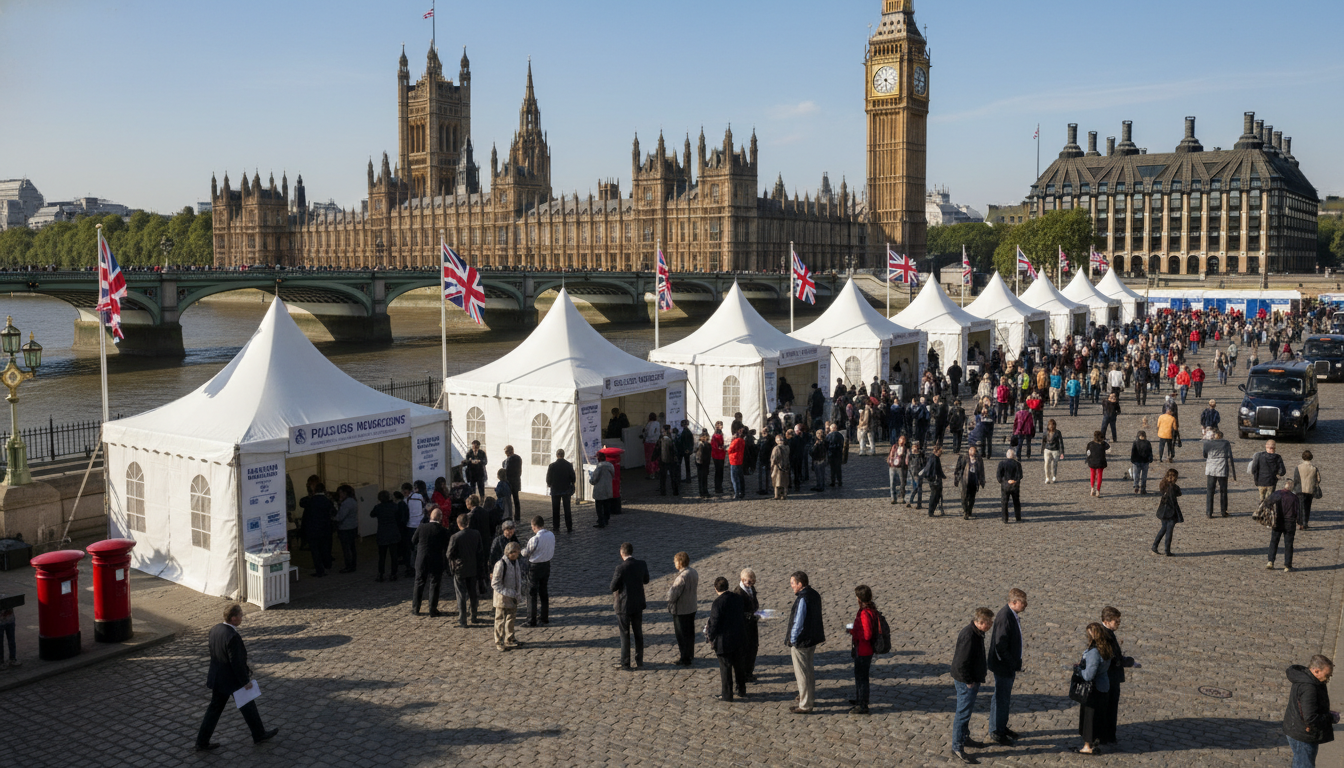
Election nights are increasingly delivering multi party surprises across Britain. In the latest counts, constituency swings and council tallies discussed on broadcaster results programs showed the UK politics fragmentation trend in motion. Today, party strategists were reading the same figures in different ways as control shifted in pockets rather than across whole regions. Live declarations showed voters splitting their preferences between national and local contests, complicating any neat mandate claim. Analysts stressed that the political landscape now rewards targeted campaigns, not broad slogans. An Update from results centres kept highlighting how narrow margins and turnout patterns can decide control, even when headline vote shares look stable.
Impact of Political Fragmentation
The immediate effect is operational, not theoretical, for parties trying to govern or oppose. Negotiating committees and coalitions has become more common in town halls, and leadership teams in Birmingham and Leeds have been forced to think in blocs of seats instead of national swings. Today, campaign managers were mapping which demographic groups can be rebuilt and which are now shared with rivals as UK politics fragmentation reshapes planning. Live coverage also showed independents and smaller parties holding the balance in some local authorities, which changes budget priorities and scrutiny. For a separate example of how cross border issues shape voter attention, Trump’s July 4 Deadline Stirs the EU Trade Deal Pot tracked trade tensions that UK politicians still have to address. An Update on policy messaging followed quickly.
Reform Party’s Growing Influence
Reform Party candidates have been testing whether protest votes can be converted into lasting representation. Their performance in recent election results has been analysed seat by seat on major broadcasters, and party spokespeople have argued it reflects demand for sharper positions on borders and public services. Today, rival parties were watching Reform’s vote share to judge where tactical voting may fail next time. Live counting rooms also showed that second place finishes can still reshape strategy by diverting resources and changing candidate selections. In Wales, the wider pattern intersected with Labour’s challenges, reflected in Labour Faces Welsh Senedd Defeat After 100 Years which linked devolved dynamics to broader voter churn, as Cardiff organisers weighed local knock on effects. An Update from local organisers focused on ground operations.
Analysis by Sir John Curtice
Sir John Curtice has argued that the story is no longer just about two large parties exchanging dominance, but about a more splintered map. In TV analysis, he has linked recent election results to longer term shifts in identity, geography, and issue salience, and he has cautioned against reading a single contest as a uniform national mood. Today, producers leaned on his explanations to make sense of mixed outcomes where different parties advanced in different places. Live studio discussions also repeated his point that small vote movements can have large seat consequences under first past the post. For institutional context on how politics responds to pressure for change, a parliamentary petition briefing on Nature-based flood and drought resilience, UK Parliament showed how issue coalitions can form. An Update followed after the segment.
Future Implications for Political Parties
The strategic horizon is becoming more complex as parties plan for national polls alongside devolved and local contests. Candidate discipline, message consistency, and data driven targeting matter more when three or four rivals are credible in the same seat. Today, on Thursday morning, senior figures were privately acknowledging that rebuilding trust may require clearer accountability for local delivery, not just national pledges. Live reporting from party briefings highlighted a renewed focus on membership, doorstep operations, and rapid rebuttal teams. The political landscape is also likely to push parties toward selective cooperation on specific votes, especially where councils are hung. An Update from campaign finance watchers noted that fragmented contests can raise costs because parties must defend more marginal ground simultaneously.