Latest News
London Warned Over Rising Surface Water Flood Risk Despite Thames Defences

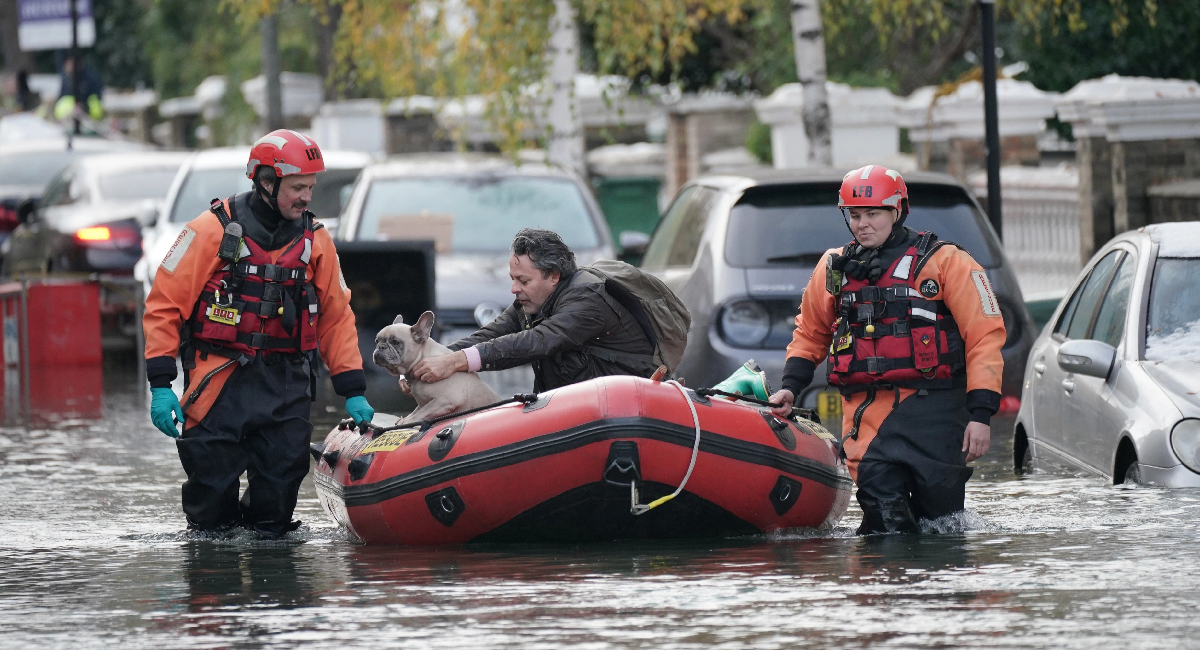
London’s flood protection system along the River Thames has long been considered one of the strongest urban flood barriers in Europe, but new analysis suggests the capital remains increasingly exposed to a different and more unpredictable threat. While major defences have helped reduce the risk of tidal flooding from the Thames, experts warn that surface water flooding is emerging as a growing danger for residents across the city, particularly during periods of intense rainfall linked to climate change.
According to recent findings, the Greater London Authority has been repeatedly alerted over the past decade about the risks posed by surface water flooding. Despite this, concerns remain that progress on long term mitigation has not kept pace with the increasing frequency of extreme weather events. The issue is now being described as one of the capital’s most significant climate resilience challenges, particularly as older drainage systems struggle to cope with sudden heavy downpours.
New research highlights that London is among the UK cities with the highest concentration of properties located in flood risk zones. It is estimated that nearly 580,000 homes in the capital are currently at risk of flooding, representing more than one in seven households. Unlike river flooding, surface water flooding occurs when rainfall overwhelms drainage capacity, leading to rapid accumulation of water on streets, homes, and underground infrastructure with limited warning time.
Experts point to the city’s ageing sewer network as a key factor behind the vulnerability. Much of London’s drainage infrastructure was designed decades ago for weather patterns that no longer reflect current climate conditions. As rainfall becomes more intense and less predictable, water runoff is increasingly exceeding system capacity, creating flash flooding in areas that were previously considered low risk. Urban development and reduced natural absorption areas have also contributed to the rising pressure on the system.
The findings have renewed calls for stronger investment in climate adaptation measures across the capital, including improved drainage upgrades, sustainable urban planning, and expanded flood resilience schemes at borough level. While the Thames Barrier continues to offer strong protection against tidal surges, experts warn that surface water flooding requires a fundamentally different approach, focusing on localised infrastructure improvements and long term environmental planning. With weather extremes expected to intensify, pressure is mounting on city authorities to accelerate action before more widespread disruption occurs.