Politics
Lawsuit Against Gerry Adams Over IRA Bombings Dropped After Claimants Withdraw Case

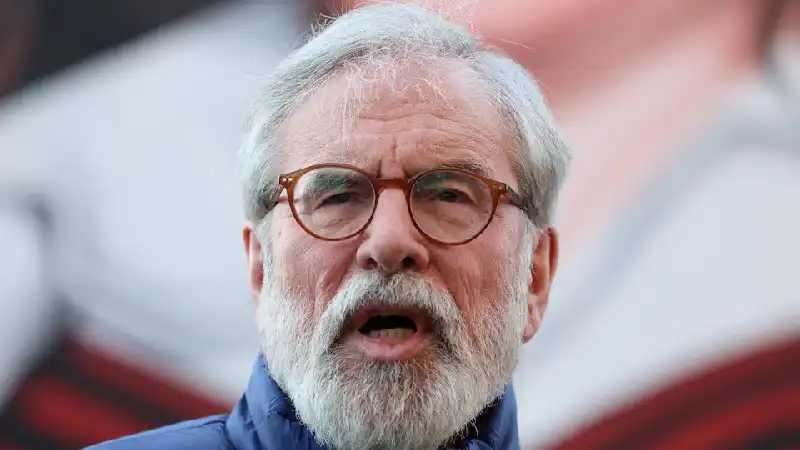
A high profile lawsuit against former Sinn Fein leader Gerry Adams over historic IRA bombings in Britain has been withdrawn by the claimants, bringing an abrupt end to a closely watched legal battle. The case, heard at London’s High Court, sought to establish Adams’ personal liability for attacks carried out during the Troubles, but the decision to withdraw means the court will not issue a ruling on the claims. The development has reignited debate around accountability, historical justice and the legal complexities tied to events from Northern Ireland’s conflict.
The three claimants had alleged that Adams held a senior role within the Irish Republican Army and was therefore responsible for bombings that left them injured in incidents spanning the 1970s and 1990s. Their legal action aimed to secure a civil judgment based on the balance of probabilities rather than criminal standards, focusing on Adams’ alleged leadership influence within the organization. The case drew significant attention due to its potential to revisit unresolved questions about individual responsibility during one of the most turbulent periods in British and Irish history.
Adams has consistently denied being a member of the IRA, maintaining throughout the proceedings that the allegations against him were unfounded. After giving evidence in court, he welcomed the withdrawal of the lawsuit, describing it as the end of a case that should not have been brought forward. He reiterated that he had defended himself against what he called false accusations, while also acknowledging the broader historical context of conflict and resistance that shaped Northern Ireland’s past.
The claimants’ legal representatives indicated that the decision to withdraw was influenced by financial risks, particularly the possibility of being liable for Adams’ legal costs if the case was dismissed. Despite stepping back from the trial before a final judgment, they stated that the process had still achieved a degree of recognition for the claimants’ experiences. One of the individuals involved expressed deep disappointment following the withdrawal, highlighting the emotional weight carried by those affected by past violence.
The case also drew renewed attention to Adams’ complex legacy, as a figure associated both with republican politics and the peace process that led to the Good Friday Agreement in 1998. That agreement significantly reduced violence after decades of conflict that resulted in thousands of deaths. While Adams later emerged as a central political leader advocating peace, longstanding allegations about his involvement in paramilitary activity have continued to shape public perception and legal challenges.
With the case now concluded without a ruling, questions remain about how historical grievances from the Troubles can be addressed through modern legal systems. The withdrawal underscores the challenges faced by victims seeking accountability decades after events occurred, as well as the legal and evidentiary barriers involved in such cases. The outcome is likely to fuel ongoing discussions about reconciliation, justice and how societies confront the legacy of conflict in Northern Ireland.