Tech
Time Magazine shifts focus from individuals to a technological era

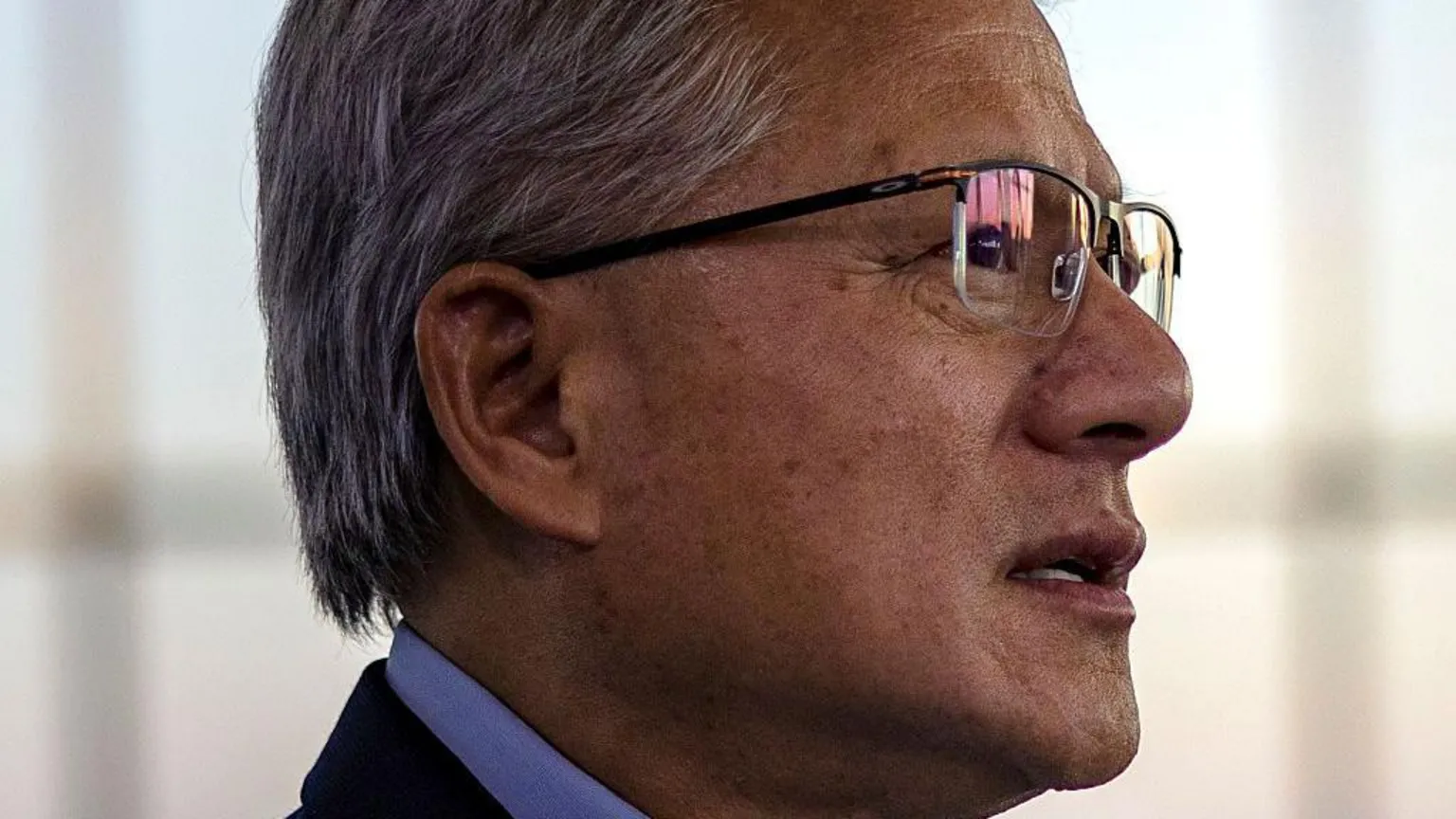
Time Magazine has named the Architects of Artificial Intelligence as its Person of the Year for twenty twenty five, marking a significant departure from its tradition of honoring a single individual. Instead, the magazine has chosen to spotlight the collective influence of the people and companies shaping the rapid rise of artificial intelligence. The decision reflects how deeply AI has embedded itself into everyday life and how its architects are increasingly shaping economies, politics, and culture around the world.
Who are the architects of artificial intelligence
Among the figures featured are some of the most powerful names in global technology. Nvidia chief executive Jensen Huang appears prominently, reflecting his company’s central role in supplying the chips that power modern AI systems. Meta chief Mark Zuckerberg is included for his push to integrate AI across social platforms and digital products. Elon Musk, owner of X and founder of several AI related ventures, is depicted for his outspoken influence on how artificial intelligence should be developed and controlled. Also featured is Fei Fei Li, often referred to as the godmother of AI, whose academic work has helped shape how machines understand images and the world around them.
Why Time made a collective choice
Editors and analysts say the decision to recognize a group rather than an individual highlights the scale and speed of AI’s impact. Artificial intelligence is no longer a niche technology driven by a handful of researchers. It has become a global force shaped by corporate leaders, engineers, policymakers, and researchers working at enormous scale. By naming the architects of AI, Time is acknowledging that no single person controls this transformation, even though a small group holds outsized influence over its direction.
The ChatGPT moment and explosive growth
The AI boom that led to this recognition is widely traced back to the launch of ChatGPT by OpenAI in late twenty twenty two. That moment brought generative AI into the mainstream, making advanced language models accessible to the public. Since then, adoption has surged. OpenAI chief executive Sam Altman said in September that ChatGPT is now used by around eight hundred million people every week. This level of engagement has accelerated investment and competition across the technology sector.
Big tech bets billions on the future
Major technology firms are pouring billions of dollars into artificial intelligence and the infrastructure that supports it. Data centers, advanced chips, cloud platforms, and research talent have become strategic assets. Companies are racing to stay ahead of rivals, not only to capture market share but to shape how AI is used in workplaces, education, healthcare, entertainment, and government. This intense competition is one reason why AI leaders have become some of the most influential figures of the year.
Two covers that tell a broader story
Time released two different covers to accompany its announcement. One features a piece of artwork showing the letters AI surrounded by workers, symbolizing how artificial intelligence is intertwined with human labor and creativity. The second is a painted portrait focusing on the technology leaders themselves, emphasizing the people steering these powerful systems. Together, the covers underline both the societal impact of AI and the concentration of power behind its development.
Influence brings responsibility and concern
While the recognition celebrates innovation, it also comes amid growing concern about AI’s risks. Experts warn about job displacement, misinformation, bias, and the concentration of power in the hands of a few corporations. Governments around the world are racing to develop regulations, while unions, educators, and civil society groups debate how to protect workers and democratic institutions. By naming the architects of AI, Time is also implicitly pointing to those who will be held accountable for how the technology evolves.
A defining moment for the digital age
Time’s choice signals that artificial intelligence is no longer just another tech trend. It is a defining force of the current era. The architects shaping AI today are influencing how people communicate, work, and understand the world. As AI continues to advance, the decisions made by this group will help determine whether the technology deepens inequality or expands opportunity, making their influence one of the most consequential of the modern age.