Politics
UK-EU freedom of movement talks set to begin soon
UK-EU freedom of movement talks are expected to start soon, as officials map priorities on mobility, visas, touring rights, and youth schemes ahead of a summit.

UK-EU freedom of movement talks begin with a focused agenda
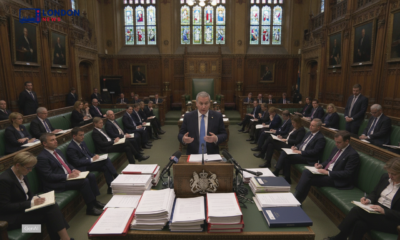
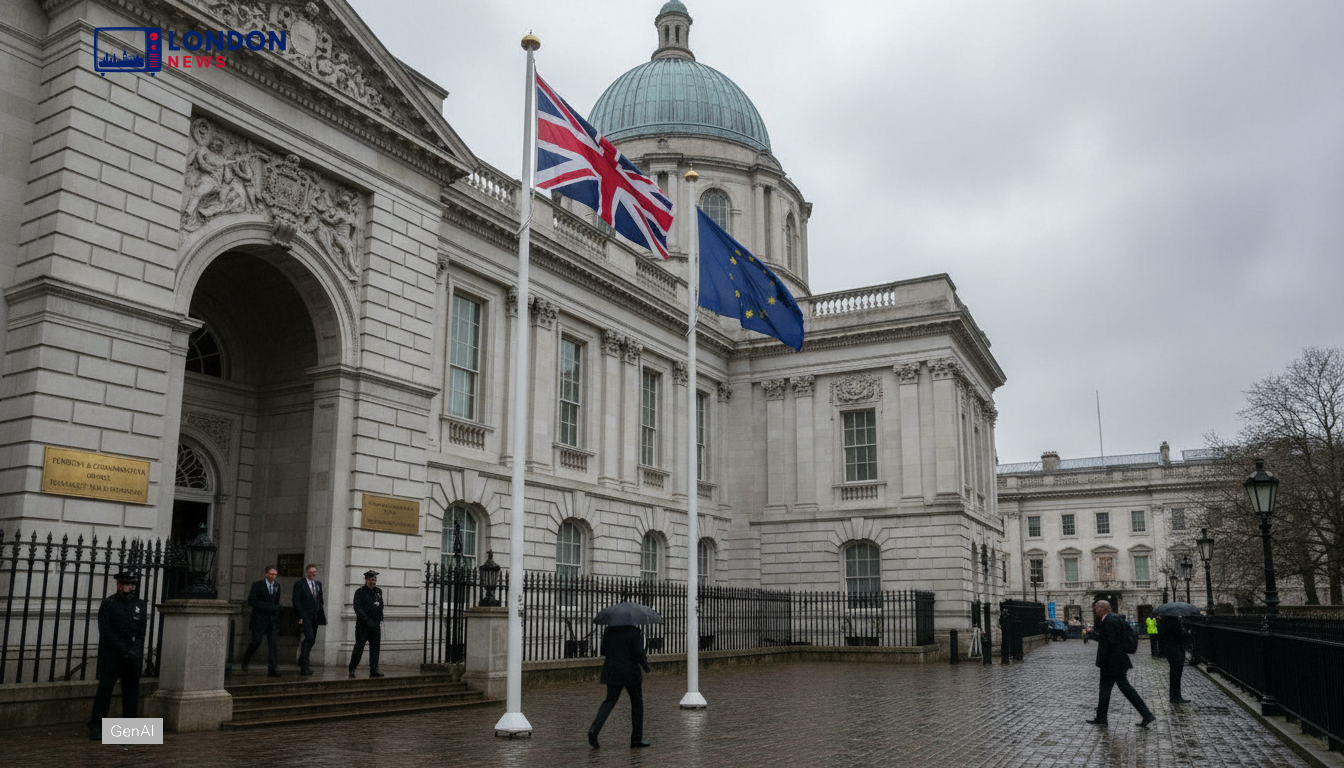
UK-EU freedom of movement talks are expected to open a more formal channel on mobility rules, with both sides signalling an interest in targeted fixes rather than a full reset, as outlined in parliamentary material. In briefing documents to MPs, the House of Commons referenced oversight and next steps in House of Commons Written Statement (HCWS409) as officials are reportedly preparing a work programme focused on practical barriers faced by travellers, workers, and students under post-Brexit arrangements. Based on that statement, the aim appears to be scoping options that could be implemented through existing joint structures.
Key issues in UK-EU freedom of movement talks
In UK-EU freedom of movement talks, negotiators are expected to explore narrow but politically sensitive areas such as short-term work permissions, touring for artists, youth mobility schemes, and recognition of professional qualifications, according to the issues commonly raised by affected sectors. The same discussions may also consider data sharing and border processing changes intended to reduce queues, although every move would need to be sure-footed within each side’s legal boundaries. Related domestic debate has resurfaced in Burnham floats UK EU referendum on free movement, while another strand is likely to look at how existing residency rights are applied in practice, including guidance for employers and universities managing cross-border recruitment, as stakeholders have previously requested. Cultural touring has been described by industry groups as a flashpoint for UK performers and venues, alongside wider attention on labour market pressures and compliance.
Options under review and what could change quickly
Even limited agreements could, in principle, ease administrative friction for employers, universities, and arts organisations where paperwork has increased since free movement ended, according to available reports from affected organisations. For readers tracking how regulatory framing changes behaviour across sectors, Bitcoin ETF: BlackRock Plan Offers BTC-Style Exposure offers a useful comparison on how rule design can reshape participation and compliance incentives, and one scenario reportedly discussed in policy circles is a capped youth mobility route that would mirror UK schemes with non-EU partners, while stopping short of restoring pre-Brexit rights. Officials are also said to be examining whether streamlined processes could be attached to the next summit package so any deal can be framed as reciprocal and enforceable, though timings and packaging remain uncertain. Workability, verification, and monitoring are likely to be central to what survives political sign-off.
Political constraints, oversight, and the post-Brexit backdrop
The discussions come after years of incremental fixes since the end of EU free movement, with governments often responding to specific disruptions rather than proposing a wholesale redesign, as reflected in recurring parliamentary and stakeholder commentary. For touring and creative sectors, practical impacts also intersect with wider public interest in cultural exports and events coverage, including DJ Xara: Prince William’s DJ dream sparks music buzz, as Brussels is widely reported to link mobility to the balance of rights and obligations, including market access, while London has often presented technical mobility solutions separately from broader Brexit negotiations. Parliamentary scrutiny has also been described as increasing, with departments pressed to show measurable outcomes rather than broad intent. That pressure can limit how far ministers go without clear controls, defined eligibility, and enforcement mechanisms, according to analysts of UK-EU relations.
What happens next for mobility rules and UK-EU relations
Next steps for UK-EU freedom of movement talks are expected to run on two tracks: a technical timetable for working groups and a political timetable linked to leader-level meetings, though exact dates have not been confirmed publicly. UK ministers are likely to seek early wins they can present as practical improvements, while EU counterparts generally emphasise reciprocity and consistent application across member states, as officials and diplomats have indicated in past rounds of engagement. The most plausible near-term deliverables appear to be targeted arrangements that sit inside existing governance structures and can be monitored for compliance, avoiding a full reopening of treaties. If progress is made, officials may publish sector guidance for touring, research, and specialist contracting to reduce uneven interpretation that businesses say they face. The pace will also depend on whether disputes elsewhere harden positions, even on technical mobility files, as observers of the relationship often caution.