Politics
UK Budget: Healey targets income tax help for pensioners
UK Budget plan: Chancellor Healey says changes will stop low income pensioners being pulled into income tax, with detail set out in Budget papers.

UK Budget plan outlined by Chancellor Healey
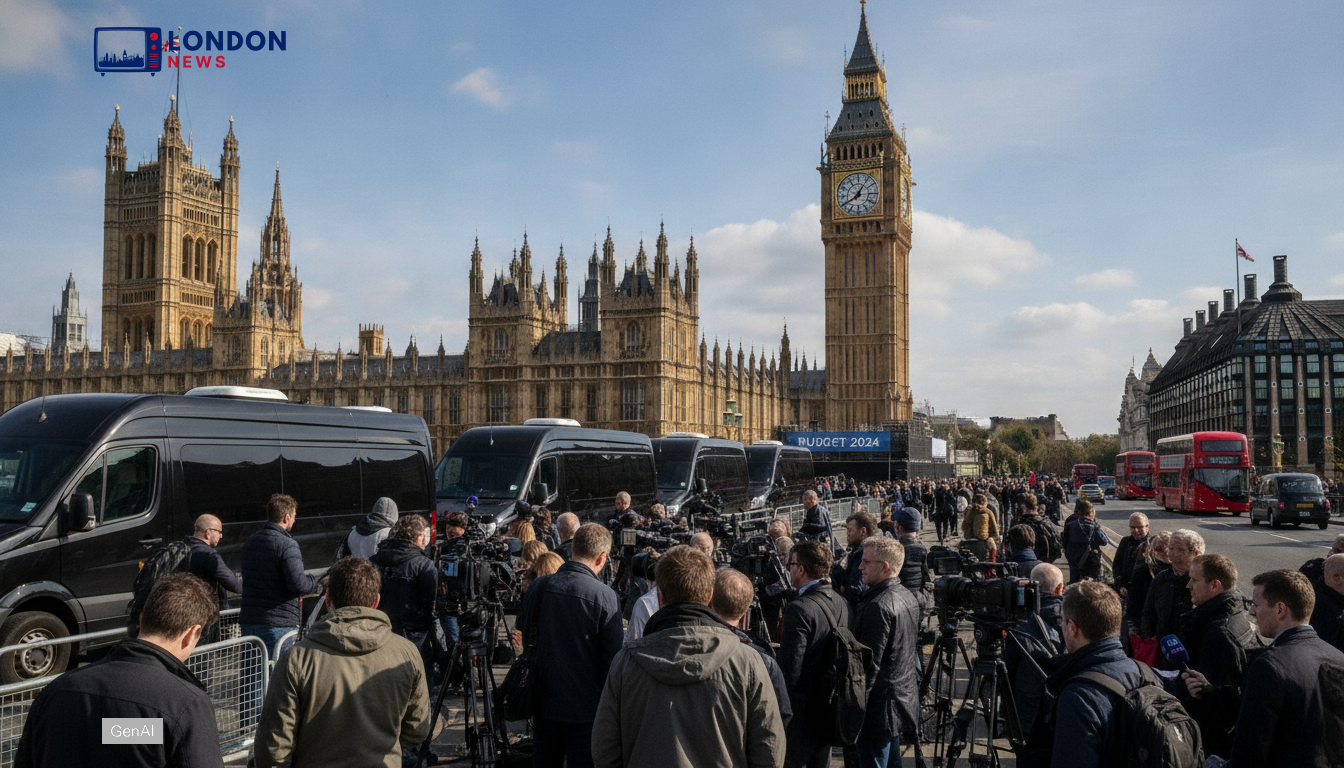
According to available reports, the UK Budget statement from Chancellor Healey set out what he described to MPs as a targeted plan to stop some low income pensioners being pulled into income tax because thresholds have been frozen. He is said to have told MPs the package is intended to focus on retirees with limited taxable income rather than a broad giveaway, and it would be assessed against the government’s fiscal rules. Treasury officials indicated the full policy detail would be published in the Budget documents, including costings and distributional tables, alongside technical notes for taxpayers and advisers. Ministers suggest the measures could limit new tax liabilities linked to fiscal drag.
How the UK Budget may affect low income pensioners
In the UK Budget messaging, ministers suggest that the immediate goal is to reduce the number of pensioners receiving a tax bill simply because state and private pension payments rise while allowances stay fixed. The relief has been presented by ministers as a targeted income tax adjustment aimed at preventing new liabilities rather than rewriting the system. Detail is expected in supporting papers and the background briefing at Autumn Budget 2026 background briefing as ministers prepare the Budget documents. Ministers also indicate they want any pension tax changes to remain straightforward for HMRC and providers, though the final design will depend on what is set out in official documents. For context on how market narratives can compete with fiscal messaging, see Bitcoin ETF: BlackRock Plan Offers BTC-Style Exposure alongside other coverage.
Medium term questions raised by the UK Budget
Beyond the first year of the UK Budget package, analysts are likely to look for whether the Treasury sets out a lasting mechanism or relies on further ad hoc fixes when fiscal drag affects older households. The government has signalled it wants the change to fit within the normal Budget cycle, with costings and distributional charts intended to help Parliament assess who gains and who does not. Wider pressures such as wages, employment and growth could shape future headroom, as discussed in UK Jobless Rate Dips as Small Firms Slow Hiring and related UK economic coverage. Economists may also examine the modelling assumptions in the Budget papers, including whether pensioners change withdrawal patterns from defined contribution pots.
Expert reaction and what to watch in the Budget documents
Tax practitioners and retirement specialists say the impact will depend on the drafting, because definitions can change who qualifies and how claims work. Several advisers argue the most effective design would be automatic so eligible households do not miss out through paperwork. Economists are also focused on credibility: whether the Chancellor can show stable medium term funding without relying on optimistic growth assumptions. Communication is another concern raised by some experts, because unclear messages can lead to poor personal finance decisions even if the underlying income tax change is technically sound. Experts expect close scrutiny once HMRC guidance and Budget tables are published in London.
Next steps after the UK Budget: legislation and delivery
The next stage after the UK Budget announcement is legislative, with ministers expected to bring forward Finance Bill clauses to translate the plan into operational rules for HMRC and pension providers. Officials will need to specify eligibility checks, how PAYE codes are adjusted, and how errors are corrected, especially for people with multiple small pension incomes, according to the types of implementation steps typically set out in Budget and Finance Bill material. The government has said it will provide supporting material so MPs can scrutinise distributional impact and administrative costs, and so select committees can take evidence from tax specialists in Westminster. Clear drafting, timely guidance and robust data will determine whether the policy works as intended.