Tech
UK Lords and the AI Kill Switch Debate on AI Safety
UK peers intensify the AI kill switch debate, suggesting emergency powers to halt high-risk AI systems, while ministers weigh enforcement, oversight, and appeals.

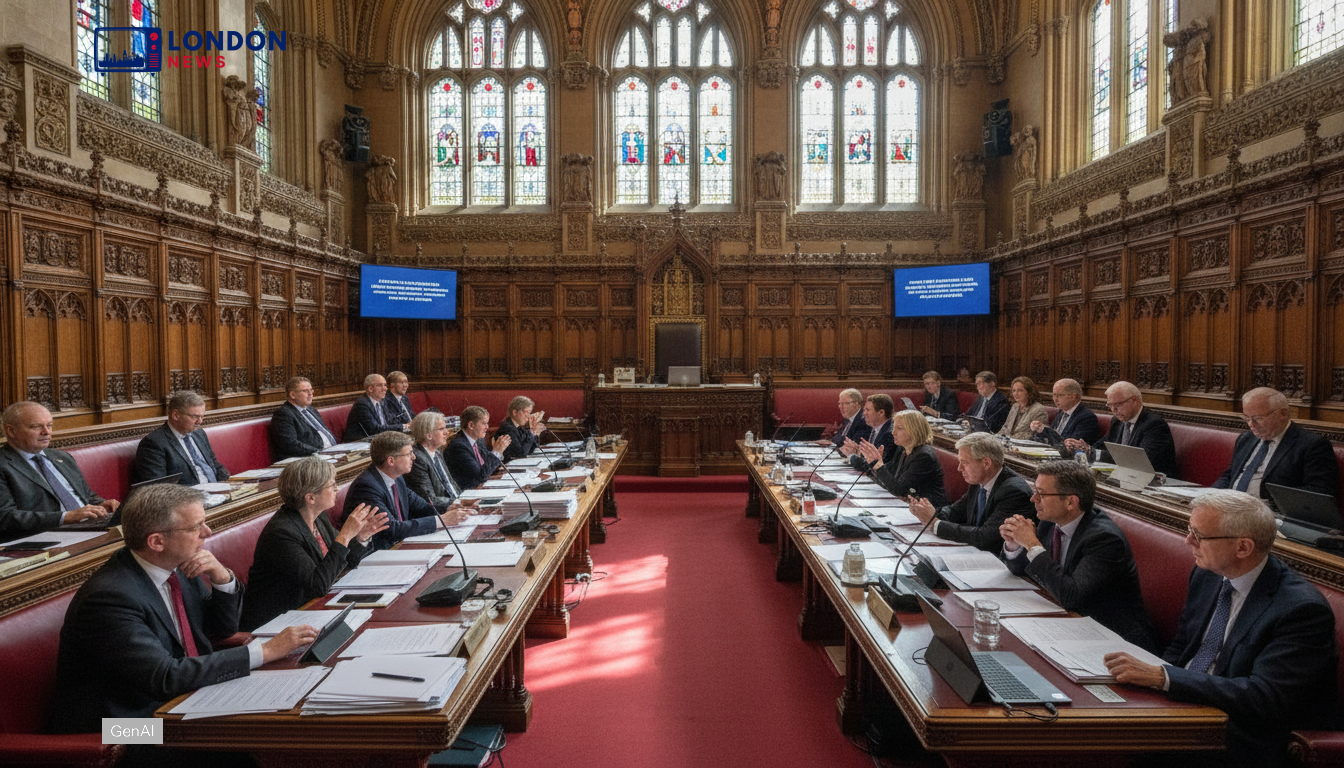
AI Kill Switch Debate: Lords Push for Emergency Powers
The AI kill switch debate has popped up again in the House of Lords, where some peers have suggested that ministers consider explicit emergency intervention powers within the UK’s AI strategy. But what does that mean? As highlighted in discussions by the Lords, supporters reckon regulators could benefit from having a clear legal path to stop systems swiftly if risks arise, particularly where AI tools are used in public services, finance, or healthcare. The debate revolves around the idea of a formal shutdown power. You might wonder, though, who would trigger such an order and what evidence is needed? Critics have raised these questions in Parliamentary exchanges. Peers backing this concept point out that the main aim is speed and clarity so action can be taken before things go pear-shaped across integrated services.
What a Statutory AI Shutdown Power Could Cover
Some peers argue that voluntary commitments and non-binding assurances might not cut it when a regulator spots urgent risk. A statutory power could, they say, set out clear steps like mandatory suspension or audit access. This debate is happening while ministers face broader political scrutiny about enforcing policy in practice, an issue briefly seen in PMQs scrutiny intensifies as UK economy faces costs. Interestingly, some Lords have even compared this approach to strategies used in cybersecurity and infrastructure resilience where operators might need to show they can stop or isolate a system safely.
Safety Triggers, Oversight, and Due Process Questions
The key design issues being discussed are what qualifies a system as high-risk, how evidence is gathered, and who gets to sign off an emergency order. Some Lords have considered factors like independent oversight, written reasons for interventions, and quick reporting duties for serious incidents. One might look at TechCrunch coverage of AI safety concerns for context. They’re pondering a trigger test that’s specific enough to avoid arbitrary action, but fast enough to dodge prolonged debate.
How Industry Says a Shutdown Power Would Affect Deployment
Peers have suggested that if ministers adopt this emergency shutdown idea, firms deploying models might need to show they’re operationally ready, with documented procedures and clear accountability. Some industry representatives have expressed concerns that heavier compliance could slow down changes and influence where companies choose to work. However, as supporters argue in Parliament, clearer rules might reduce uncertainty. A balancing act, if you will.
What Happens Next for UK AI Regulation
Ministers are faced with a choice: embed emergency powers in upcoming legislation or keep the UK approach largely principles-based, leaning on sector regulators. In Westminster, there’s an expectation peers will continue pressing for defined triggers and oversight, based on recent contributions. A further question raised is how any emergency stop order would interact with existing laws on product safety, data protection, and online harms. Supporters assert regulators shouldn’t need last-minute discussions to halt a system when credible harm is spotted, though opponents worry about possible overreach and vague thresholds.