Latest News
Government defends wildfire phone alert after backlash
Government defends the wildfire phone alert after backlash across England and Wales, saying severe alert criteria were met and safeguards will be reviewed.

Public reaction to the wildfire phone alert
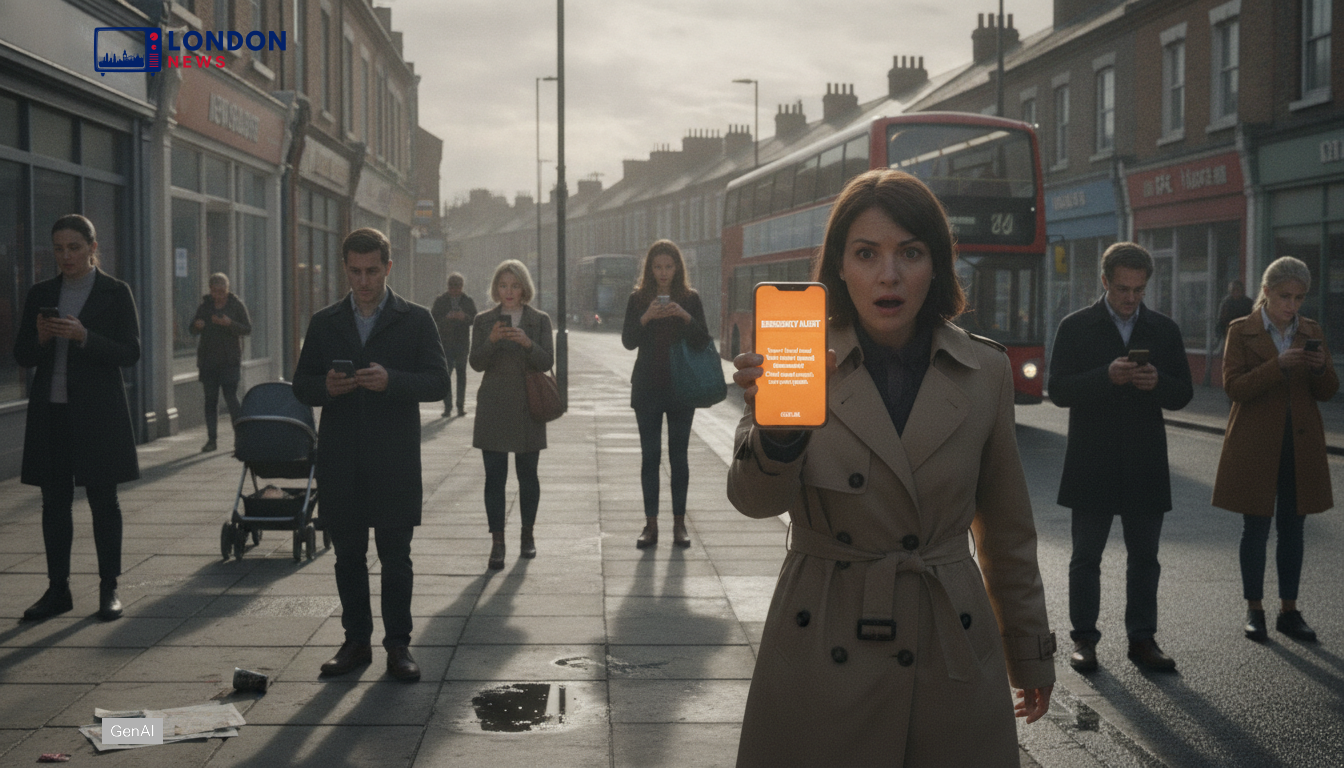
The wildfire phone alert triggered a loud siren, vibration and full screen message on handsets across England and Wales, sparking a wave of complaints from residents who said it was alarming and disruptive. Some recipients noted it interrupted work, school routines and medical appointments, while others felt it was too broad for people far from smoke or flames. Others argued it raised awareness at a moment of heightened risk and encouraged caution outdoors. Ministers are reviewing feedback submitted to departments since the message was sent, including concerns about timing, clarity and accessibility. They stand by the decision, but admit guidance and language need tweaking.
Why ministers say the wildfire phone alert met the threshold
Ministers claim the wildfire phone alert met the threshold for a severe alert due to conditions creating a credible risk of rapid fire spread and danger to life, even where flames were not yet visible. A government spokesperson deemed the message “entirely appropriate” when asked about the volume of complaints, highlighting that avoiding ignition sources and following local instructions could prevent escalation. Officials also pointed to meteorological context, linking the warning to official forecasts such as the Rain on way for UK with temperatures to drop to overnight lows of 3C in some places, and for context on how rapid alerts are communicated in other safety stories, see Safety Shake-Up After Tragedy at Volta a Portugal. Ministers said the severe alert template will be refined to better explain why recipients are included and what to do next, so people can act without unnecessary anxiety.
How the UK emergency alert system works
The UK’s emergency alerts system uses cell broadcast, which sends a message to compatible phones in selected network areas without using a phone number list. Cabinet Office guidance describes cell broadcast as location targeted and resilient under network congestion, but it can still reach people commuting across boundaries when masts overlap. In briefings after the message, officials said the geographic footprint was set to match risk corridors rather than individual incidents, aiming to cover travel routes and open moorland where fires can spread quickly. Separately, the government is facing scrutiny in other areas, including Clacton by-election: Farage wins seat as funding queried. On Sunday afternoon, the alert appeared on most major UK networks within seconds, according to recipients’ reports.
Comparisons with international systems and message design
Officials have noted that cell broadcast is widely used, including Wireless Emergency Alerts in the United States and similar systems across the EU, with many countries issuing broad warnings for fast moving hazards. UK resilience advisers argue that wildfire risk can change rapidly with wind shifts, and that people in rural fringe areas often need early notice to secure property, animals and travel plans. The wildfire phone alert has been compared by some communications specialists to weather warnings that prioritise reach over pinpoint accuracy when the threat is time sensitive. Ministers also cited lessons on clarity around who should act, a theme raised in other policy debates such as UK reviews electric vehicle sales targets for carmakers. The government said it will publish more detail on decision making thresholds to improve trust.
Next steps: changes promised after complaints
Officials said they will evaluate message wording, accessibility settings, and how the alert interacts with phones in silent mode, while keeping the core feature that it cuts through routine notifications. Emergency planners are expected to gather feedback from local authorities, fire and rescue services, telecoms providers and disability groups to reduce unintended distress and improve comprehension. Ministers said they want future messages to include stronger location context, clearer behavioural guidance and signposting to verified channels, while avoiding information overload in the moment. The government response will also consider multilingual options and better coordination with local incident updates so people receive consistent instructions. They stressed the system is designed for rare, serious threats and that maintaining public confidence is central to its effectiveness, with initial findings expected to be shared with MPs in the coming weeks.