Politics
Is Andy Burnham next Labour leader? Swift bid tipped
Speculation about whether Andy Burnham could be the next Labour leader is growing as party figures discuss a faster timetable and tighter rules for nominations, ballots, and hustings.

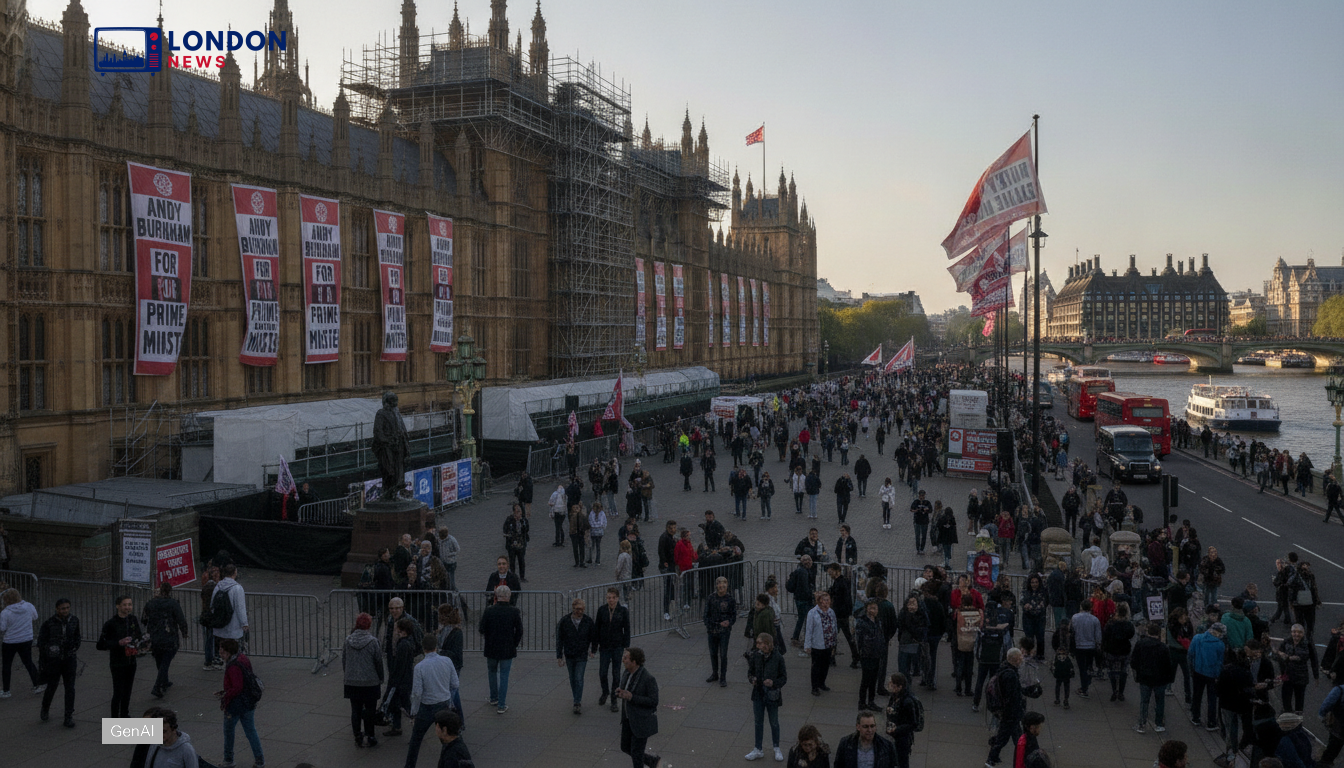
Why Andy Burnham next Labour leader talk is growing
Labour officials are reportedly exploring a more compressed timetable for choosing a new leader, with nominations and ballots expected by some party watchers to follow quickly. In Westminster, that faster pace might shift attention from long campaigns to immediate coalition building among MPs, unions, and constituency members, according to people who follow internal Labour contests. The short window tends to reward candidates with national recognition and an established operation, which is one reason the phrase Andy Burnham next Labour leader has featured in political chatter and briefings. The practical test is whether contenders can secure the required parliamentary nominations while signalling stability to members and affiliates. Staff are also said to be finalising rules on hustings, eligibility, and membership cut-offs in an effort to limit procedural disputes.
Andy Burnham profile and route into the contest
Andy Burnham enters the discussion with a national ministerial record and high visibility as Greater Manchester mayor, an office he won in 2017 and has held since, according to his public electoral record and widely reported results. For background on how the leadership race opened up, see Keir Starmer resignation triggers Labour leadership race, while critics say any leadership contest is often decided by parliamentary relationships as much as public profile. A compressed calendar also means procedure matters, and the official running order in the Commons can be tracked via Topical Questions – UK Parliament. Allies argue that executive experience and regional delivery can translate into a credible leadership pitch.
What the timetable means for MPs, members, and rules
If Labour does opt for a short contest, it changes incentives for MPs and organisers: endorsements matter earlier, and message discipline is tested sooner, as political strategists often note. The formal steps are likely to include a nomination threshold, a verified candidate list, and tightly scheduled hustings, based on how previous Labour leadership processes have typically been run. In that environment, the focus can narrow to operational readiness and who can run a national campaign quickly, rather than who has the most expansive policy programme. The portal-style pressure of deadlines and verification is similar to other complex systems that depend on resilience under tight schedules, as described in Lisbon air quality: AQI shifts, health risks, actions. That is part of why some observers see the Andy Burnham next Labour leader scenario as plausible if timelines tighten. Members will still look for direction, but timing may dominate.
Impact on Starmer allies and party unity tests
For MPs aligned with Keir Starmer, the immediate question is whether the election becomes a referendum on the recent strategic direction or a narrower choice about electability and tone, as commentators often frame it. Westminster flashpoints will keep running in parallel, and teams are monitoring set piece rows like Opposition Day: Puberty blockers – UK Parliament, as a condensed process can limit time for recalibrating alliances and building a unified set of endorsements across wings of the party, according to MPs and staff who have spoken about past internal contests. It also puts emphasis on frontbench continuity, fiscal messaging, and how quickly a new leader could settle internal management issues such as staffing and candidate selection.
Policy direction if Burnham wins and what happens next
If Burnham were to win, he might emphasise mayors, regional transport, and industrial strategy, reflecting themes associated with his city-region record and public statements over recent years. Related Westminster agenda items that can shape party positioning include committee and chamber work such as Settlement, Citizenship and Integration – UK Parliament, while any platform would still need to clear credibility tests on costings and what can pass through Parliament, especially as scrutiny intensifies in general election cycles, as analysts regularly caution. The early weeks would probably focus on party management: naming a shadow cabinet, reassuring unions and donors, and setting a stable line for the Commons, based on the standard immediate tasks of a new opposition leader. For readers asking whether this makes Andy Burnham next Labour leader more than speculation, the answer depends on party rules and nomination dynamics, which can move quickly once a timetable is confirmed. The next steps remain procedural and could be fast if Labour adopts the tighter schedule being discussed.