Latest News
Heathrow runway plans face new lead operator option
A UK watchdog says a rival could lead heathrow airport expansion, reshaping runway delivery, regulation, costs, and climate limits for London aviation.

Watchdog’s Stance on Heathrow’s Expansion
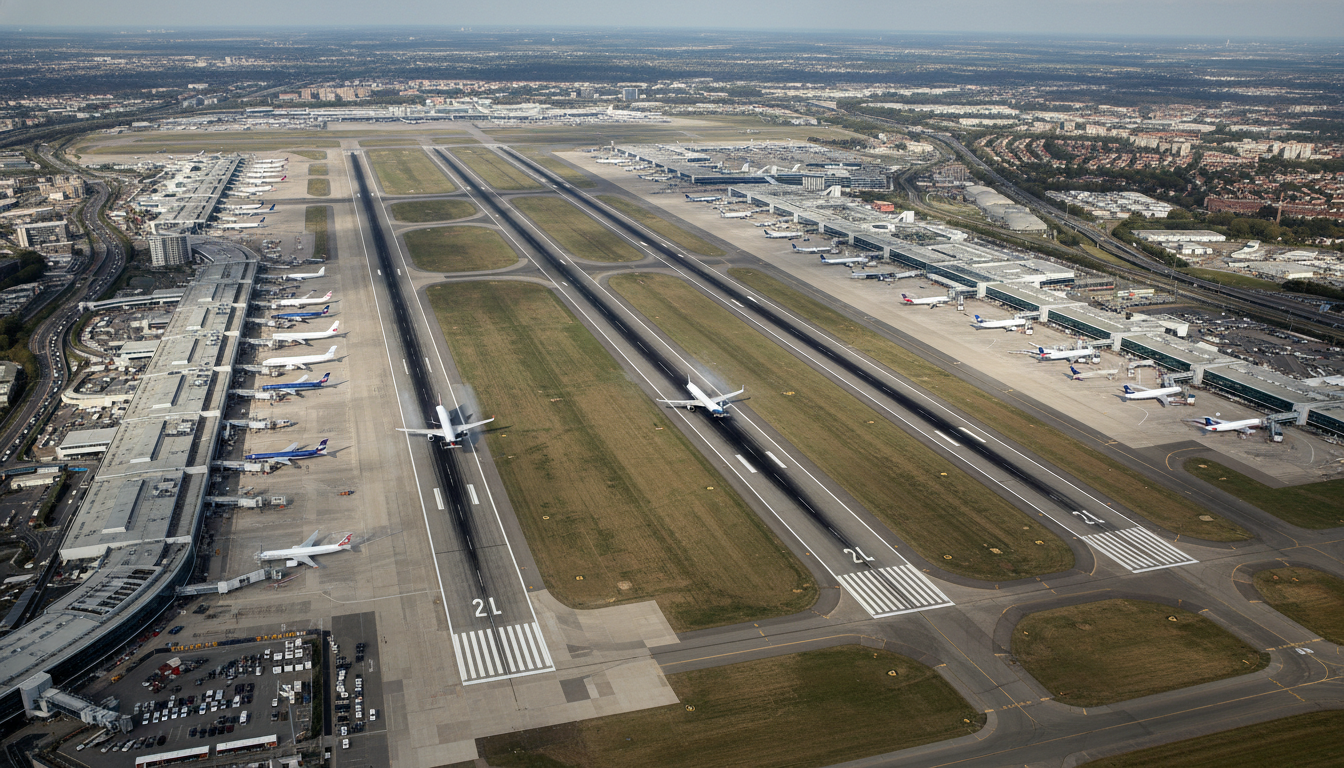
The UK aviation regulator has reopened the question of who should deliver any new runway at Heathrow, after fresh scrutiny of delivery risk and passenger value. In a Live briefing to stakeholders in London, the Civil Aviation Authority said competition could be compatible with the framework that governs Heathrow airport charges and service levels. The CAA described the idea as a practical way to sharpen incentives and keep costs transparent for airlines and travellers. Midway through the discussion, the heathrow airport expansion proposal was framed as a test case for how major infrastructure can be regulated without weakening consumer protections. Today, airlines are pressing for clarity on governance before any consented works move into detailed design.
Impact on London’s Aviation Sector
For London carriers, the most immediate issue is operational continuity while planning decisions are debated. The CAA stressed that any approach must protect resilience and service standards, with airlines able to challenge cost pass through under the existing price control regime. In a separate Update for the travel market, the debate is also affecting longer term capacity strategies at other airports, as operators seek to secure routes and slots. A broader political backdrop is feeding into investor sentiment across sectors, and BBC reporting on Greater Manchester politics shows how transport decisions can quickly become electoral issues. Today, aviation groups want planning, airspace, and surface access decisions aligned rather than sequenced.
Potential Competitors for Lead Role
Any move to let a rival lead delivery would require strict interfaces with Heathrow airport operations, from safety systems to terminal integration. The CAA signalled that models used in other regulated networks could be adapted, but only with strong accountability for outcomes and a clear allocation of construction risk. In an Update circulated among aviation analysts, scenarios include a ring fenced project company or an alternative airport infrastructure specialist managing the build under regulatory oversight. The wider news agenda is also shaping risk perceptions, and Trump Beijing trip revives high stakes US China talks has been cited by markets as a reminder that macro shocks can change financing conditions fast. The regulator did not name preferred firms, but highlighted the need for open procurement and measurable performance milestones. Live, airlines argue that contractual clarity matters as much as planning consent.
Economic and Environmental Considerations
The hardest trade off remains whether an airport expansion can be delivered within affordability and emissions constraints that regulators and ministers can defend. The CAA has repeatedly emphasised that consumers should not pay for inefficient delivery, and that capital programmes must demonstrate value for money under the price control. In the current london heathrow expansion debate, airlines are scrutinising how demand forecasts and construction inflation are treated, because those assumptions drive future charges. Live assessments of financing also depend on whether private capital takes more risk rather than passing it into regulated bills. On climate, the CAA points to government policy as determinative, while environmental groups argue that carbon budgets must constrain any timetable. New charts show why the UK economy looks resilient has been used by some commentators to argue that infrastructure appetite could hold up even under tight household budgets. Today, the regulator says governance choices will shape both cost control and credibility.
Public and Political Reactions
Ministers face competing pressures as local communities, business groups, and airlines interpret the watchdog stance through their own interests. The CAA position does not determine planning outcomes, but it does raise the prospect that government could tolerate a different delivery structure if a runway were approved. In the public sphere, Heathrow expansion debates are being reframed as questions of fairness, with noise, air quality, and surface transport impacts placed alongside jobs and connectivity. Today, campaigners on both sides are using Live media appearances to argue that the runway case must be judged against national climate commitments and regional growth priorities. The CAA has urged transparent engagement and clear reporting so that any future Update on costs, timelines, and performance can be tested against evidence, including during consultations expected to run through 2026. Political attention is likely to intensify as consultations and legal scrutiny continue.