Politics
London local polls: results and political impact
London councils are shifting after local elections 2026 uk, with tight ward margins, turnout debates and early signals for uk elections 2026.

Key Results from London’s Local Elections
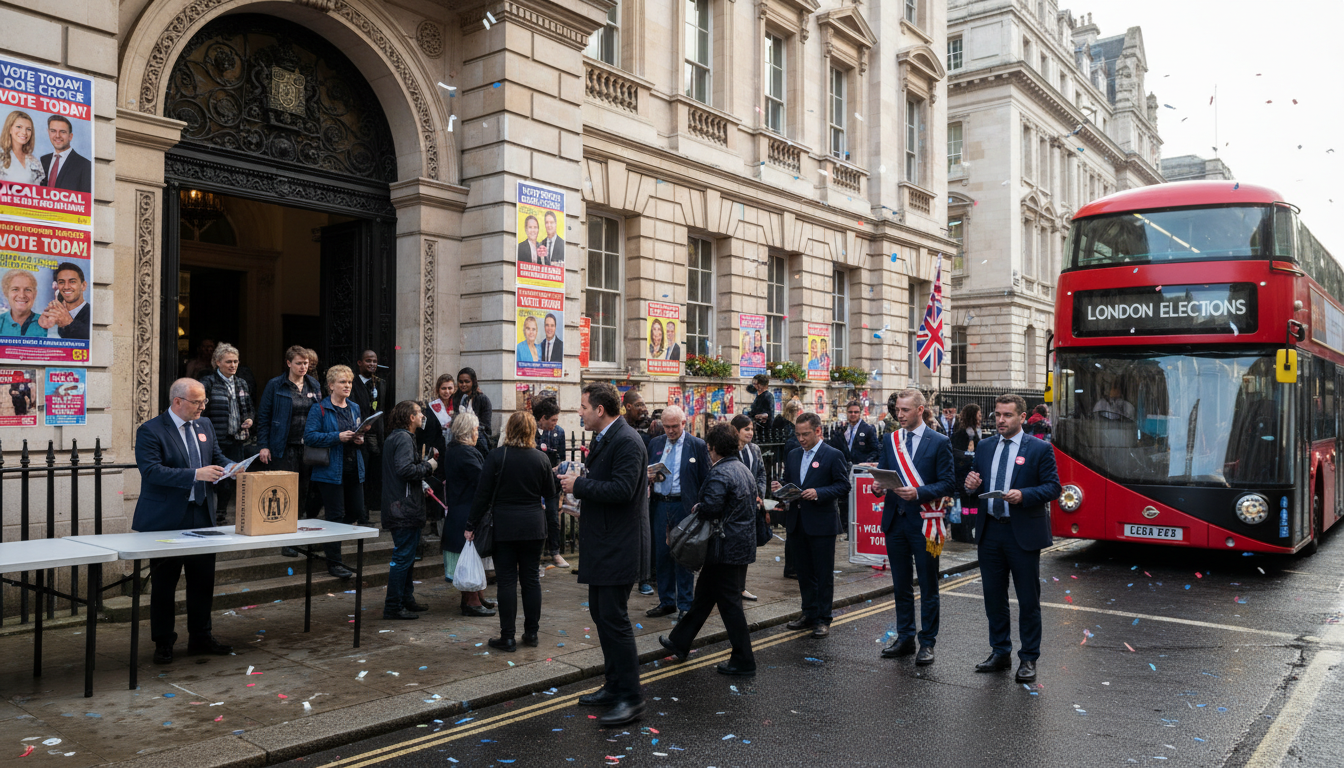
Counting across London continued overnight as borough declarations landed ward by ward. The London Evening Standard presented a Live running tally of declared seats and outstanding counts as returning officers confirmed results. Midway through that rolling coverage, the phrase local elections 2026 uk began to dominate campaign briefings because several councils were decided on small margins. Today, party organisers focused on where recounts were requested and where postal vote verification slowed declarations, as election teams provided an Update at each stage of the process. Officials in individual boroughs attributed delays to staffing and verification steps, rather than contested procedures, and they said final declarations would follow once checks were complete.
Impact on London’s Political Landscape
Early declarations reshaped the strategic map for City Hall allies and borough leaders, with control changes carrying budget and planning consequences. The London Evening Standard continued Live aggregation of London local elections 2026 declarations, while party spokespeople used Today press calls to frame what they described as mandate wins or warning signs. Readers also tracked developments via Labour Welsh Senedd story in parallel coverage for a snapshot of how cross border political pressure is playing out elsewhere in the UK. In Westminster, MPs used constituency casework to link local service issues to council performance, and the UK Parliament petitions feed showed ongoing policy demands such as Nature based flood and drought resilience petition, which local councillors often cite in climate adaptation debates.
What the Results Mean for Citizens
For residents, the practical effect is immediate, which committees set priorities on housing repairs, street enforcement, adult social care and local transport coordination. Today, community groups scrutinised who holds cabinet roles and scrutiny chairs, because those posts shape procurement and complaints handling. The London results 2026 picture also matters for neighbourhood planning applications, where councillor casework can influence conditions even when the legal decision is officer led. In the middle of this cycle, local elections 2026 uk surfaced repeatedly in resident emails about council tax value and service standards, and campaign teams offered an Update on how quickly new administrations would publish programme timetables. Separately, readers following wider accountability stories browsed Two Police Chiefs Detained as Abuse Case Widens as an example of how governance questions can intensify once institutions face scrutiny.
Reaction from Winning and Losing Parties
Party reaction was rapid once declarations were signed, with acceptance speeches focused on cost pressures and visible services. The London Evening Standard quoted party representatives during Live updates as they claimed credit for doorstep campaigns and targeted messaging, while defeated candidates stressed turnout patterns and ward boundary effects. Today, council leaders in newly secured administrations promised early budget reviews, and opposition groups said they would pursue sharper scrutiny on contracts and performance measures. Some statements pointed to national context by referencing uk elections 2026 expectations, though the clearest commitments were local, including pledges to publish monthly performance dashboards and faster responses to antisocial behaviour complaints. An Update from several local party offices said selections for committee chairs would be settled quickly to avoid delays to summer decision cycles.
Future Implications for the 2028 Elections
Strategists are already turning to what the borough map implies for future contests, especially where council control affects campaign infrastructure and volunteer networks. Data teams reviewing local elections results examined booth level patterns, while organisers compared canvass returns with final tallies to refine targeting. Today, activists described the next phase as sustaining visibility between election cycles, and they used Live messaging channels to keep supporters engaged on local issues rather than national soundbites. In internal briefings, local elections 2026 uk was treated as a test of ground game resilience in high turnover wards, and an Update cadence was set for quarterly community meetings and casework reporting. The lesson for 2028 is operational, parties that translate council decisions into visible outcomes will be best placed to defend marginal neighbourhoods.