Tech
UK airlines face summer risk from jet fuel limits
Airlines warn jet fuel shortages flights uk could disrupt peak summer schedules, raising delay and rebooking risks as policymakers and suppliers scramble.

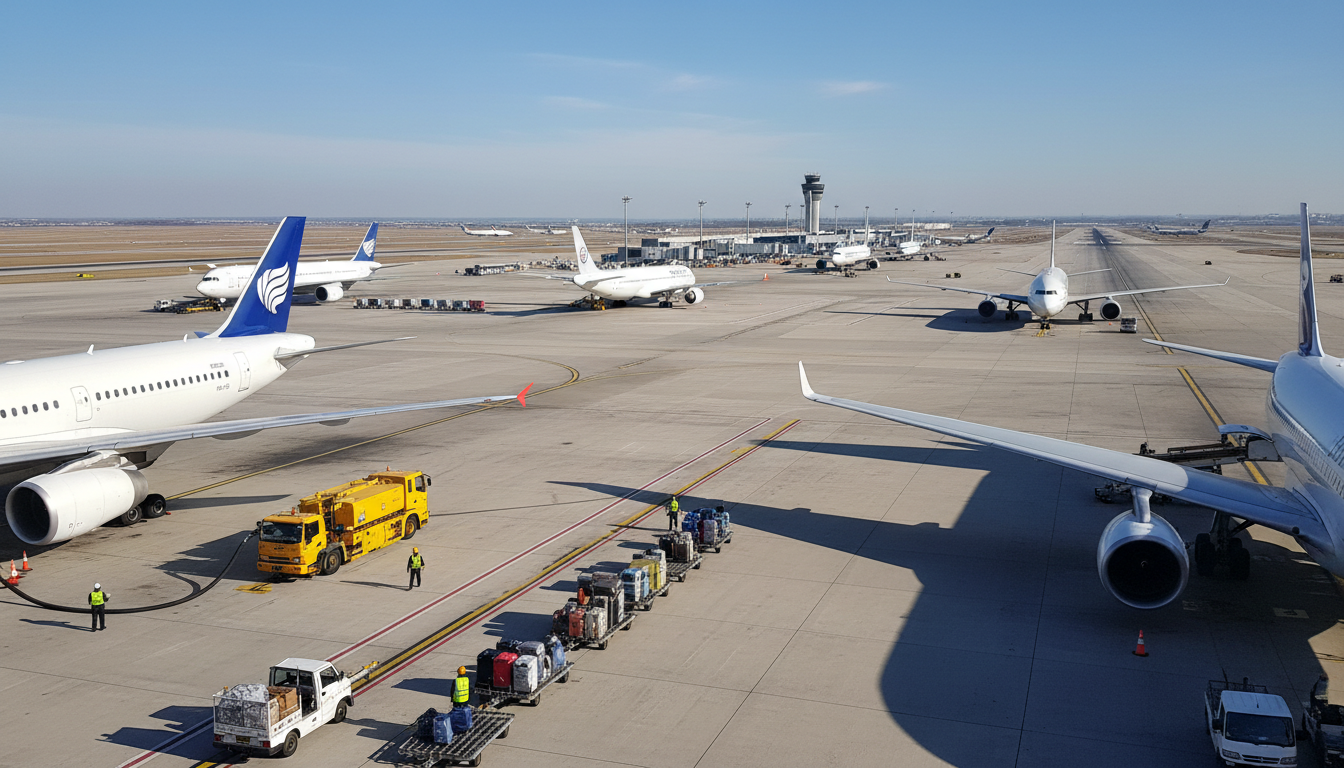
Airlines Brace for Fuel Constraint Challenges
Airline operations teams across Britain are running tighter fuel planning ahead of the summer surge as supply buffers thin at key hubs. The immediate concern is jet fuel shortages flights uk, which can force last minute aircraft swaps and knock on delays. Live flight schedules are being reviewed with a focus on contingency uplift options and alternate tanker arrangements, while dispatchers adjust routings to reduce exposure to single points of failure. In internal briefings shared with investors, the International Air Transport Association has previously urged carriers to strengthen fuel risk management, and that guidance is being applied today as procurement desks lock in volumes. Carriers say the fastest mitigations are operational, not commercial.
Government Strategies to Mitigate Impact
Officials are leaning on industry coordination rather than new regulation, with the UK Department for Transport emphasising resilience planning and rapid information sharing across airports and fuel suppliers. Update notes circulated by trade groups say airports are reviewing priority rules for critical services, while the Civil Aviation Authority has reminded airlines of passenger care duties under UK261 when disruptions occur. For context on how fast policy attention can shift during unrelated global headlines, readers can compare newsroom priorities in Israeli Strikes in Lebanon Test Fragile Ceasefire before tracking how ministers respond on aviation issues. In parallel, the government is watching wider Jet fuel shortages in the region because constrained imports can ripple into domestic supply. Ministers have not set new mandates, but they are pressing stakeholders to publish clearer daily status reporting.
Potential Repercussions on Summer Travel
Airports and airlines are modelling how fuel shortages airlines could translate into passenger disruption, particularly when tight turnaround times leave little room to recover. Today, the biggest risk is not a blanket grounding but targeted cancellations on short haul rotations that rely on predictable uplift windows, which then cascades into missed connections. Coverage of supply chain visibility and logistics resilience has also sharpened in adjacent sectors, including Amazon opens up its global logistics network to all businesses, as operators look for better real-time tracking and contingency routing. The European Aviation Safety Agency has previously highlighted the operational complexity of cross border disruptions, and that context matters if a jet fuel shortage europe tightens allocations across multiple countries at once. Airlines warn that rebooking pressure rises quickly when capacity is already full.
Traveler Advice to Navigate Disruptions
Passengers can reduce exposure by treating timetables as provisional and tracking airport messages as well as carrier alerts, especially on routes with limited alternative frequencies. Live notifications inside airline apps are useful, but travellers should also keep screenshots of confirmations and receipts in case compensation claims are needed under UK261 rules, as reiterated by the Civil Aviation Authority. For readers following broader consumer tech changes that affect alerts and identity checks, Spotify rolls out Verified badges to flag artists shows how verification messaging is being standardised across platforms alongside more consistent notification prompts. An Update from travel insurers has stressed that separate policies vary on missed departure and schedule change coverage, so document what the airline states at the time of disruption. Keep essentials in hand luggage when tight connections are likely.
Future Solutions for Fuel Supply Stability
Industry leaders argue the current squeeze underlines the need for diversified sourcing and better transparency across europe jet fuel shortages, rather than ad hoc fixes each peak season. Airlines and airport fuel consortia are pushing suppliers to publish clearer delivery performance metrics, while refiners face pressure to justify maintenance timing against demand peaks. The International Energy Agency has repeatedly called for stronger energy security planning, and airlines are using that framework to lobby for faster permitting of storage upgrades and pipeline resilience where feasible. Today, executives also point to long term demand management through fleet renewal, since newer aircraft reduce per seat fuel burn and lower exposure to constrained uplift. Update communications from several carriers say they will prioritise schedule integrity over marginal route expansion this summer.