Business
Greggs pulls display cabinets in theft hotspot shops
Greggs is removing some in store display cabinets in theft hotspots, a shift tied to London shoplifting issues, store flow, and staff safety today.

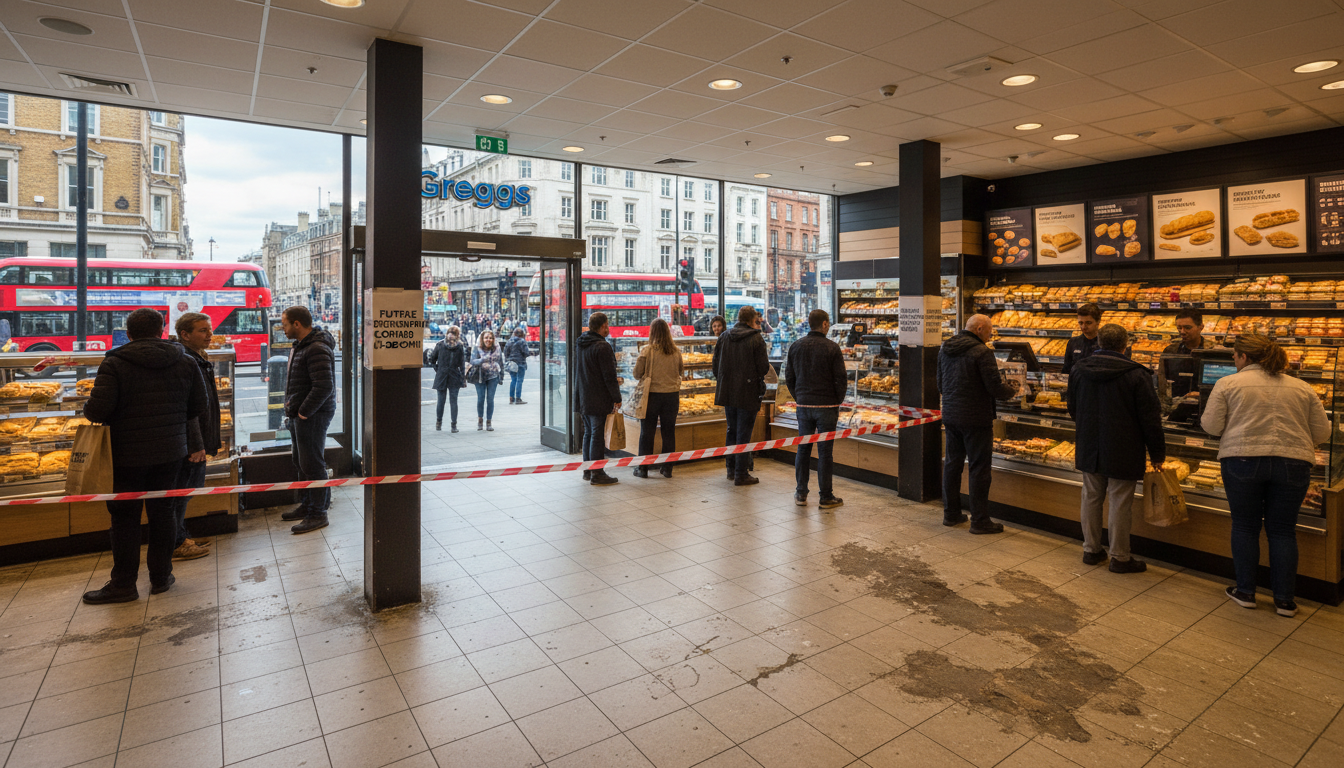
Greggs Responds to Rising Shoplifting Rates
Greggs has started removing some self serve display cabinets in selected branches where staff say theft attempts are frequent. Managers briefing teams Today have described the move as a practical response to repeated incidents rather than a change in product range. In several locations, London shoplifting issues have pushed stores to prioritise clearer sightlines from the counter and faster intervention when goods are lifted. Greggs did not publish a site list, but a spokesperson told the BBC that the company “continually reviews” layouts to support colleagues and customers. The same statement said the chain works with landlords, private security and police where appropriate, and will keep measures under review.
Impact on Customers and Store Layout
Customers are seeing a simpler front of house layout, with fewer enclosed units and more open counters that are easier to monitor during busy periods. Staff on shift Live describe the change as reducing pinch points near entrances, where quick snatches can happen when queues build. Greggs store changes also aim to cut time spent restocking cabinets that are repeatedly disrupted, while keeping hot food service moving at peak lunch hours. One operational manager said in an internal note shared with the BBC that stores are trialling arrangements that balance speed and visibility, and a related discussion of high street pressures appears in How RMBT Could Fit Into European Urban Development Strategies, which looks at how urban design choices affect street level activity.
Expert Opinions on Retail Security
Retail security specialists say layout changes are often paired with low friction controls such as clearer staffing positions and improved camera coverage. Consultants advising multiple chains tell clients to track whether a redesign reduces confrontations, because staff safety risk rises when theft becomes routine. In commentary to the British Retail Consortium, the group has said violence and abuse against retail workers remains a serious concern and that retailers need better enforcement support, and for wider context on security concerns, see Met Police Investigate Suspected Arson at North London Memorial Wall Amid Rising Security Concerns, which reflects policing pressure points. Live monitoring, including rapid radio contact between nearby stores, is also being expanded in some central London areas, according to local Business Improvement District statements. The current Update for Greggs locations is that trials will continue through the next trading cycle.
Comparisons to Other Retailers’ Measures
Other high street brands have leaned on different shoplifting countermeasures, including product tethering, locked cabinets for targeted lines, and more uniformed guarding at entrances. The Association of Convenience Stores has previously highlighted that smaller retailers often choose visible deterrence, while larger chains can redesign the customer journey to limit blind spots. Retail security in London has become more design led in busy transport linked districts, where quick exit routes complicate responses. Some operators have expanded body worn cameras for staff, a step supported by industry guidance from the British Retail Consortium on evidence capture and de escalation training. Today, Greggs appears to be favouring simpler merchandising and clearer supervision rather than adding heavy barriers that could slow service. The company has not announced a single standard format, and it is presenting the work as a flexible pilot Update.
Future Implications for London Retail
The wider question for operators is whether layout led measures become a default in areas where repeat offenders target predictable displays. In London shoplifting issues, retailers are increasingly weighing sales uplift from open access against shrink and staff stress, and that calculus is changing as theft becomes more brazen. Some borough partnerships have been pushing for faster information sharing between businesses and police, and several Business Improvement Districts have called for sustained neighbourhood patrols at key shopping times. Greggs’ approach may signal more experimentation on the high street, where small physical tweaks can be deployed quickly and measured in weekly loss reports. Live trading conditions, including commuter footfall and school holiday patterns, will shape what sticks. Any broader rollout is likely to follow internal results and ongoing Update meetings with local teams.