Latest News
UK Biobank Health Data Reportedly Listed for Sale Online in China Government Launches Investigation

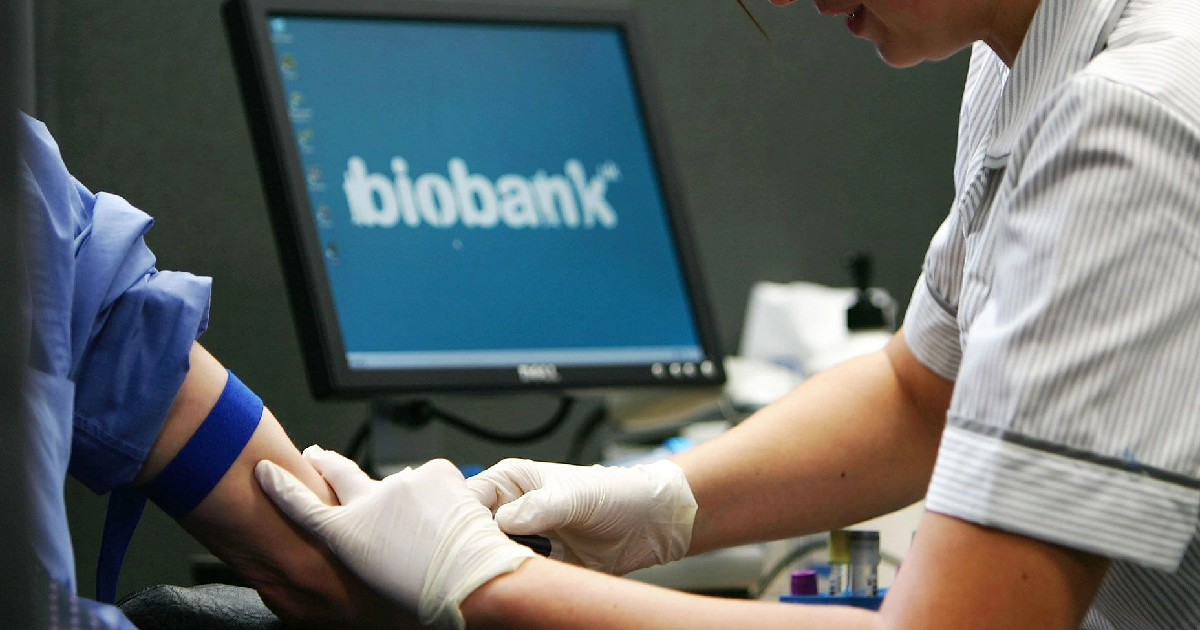
Sensitive health data linked to the UK Biobank research project has reportedly been found listed for sale on an online platform in China, prompting confirmation from the UK government and raising serious concerns over data security and privacy in one of the world’s largest biomedical databases. The UK Biobank contains health information from around 500,000 participants and is widely used by researchers to study major diseases and improve medical understanding. Authorities have now launched an investigation after the potential data exposure was reported to officials earlier this week.
According to government statements, the data listing was discovered on a Chinese online marketplace, where information linked to the Biobank participants was allegedly made available for sale. Technology Minister Ian Murray confirmed to lawmakers that the charity responsible for managing the database informed the government about the incident on Monday. While officials clarified that the exposed data did not include personally identifiable information such as names, addresses, phone numbers, or direct contact details, they acknowledged that other sensitive categories may have been involved.
The type of information potentially affected includes demographic and health related data such as age, gender, month and year of birth, socioeconomic background, lifestyle habits, and biological measurements collected through medical samples. Although anonymized, such datasets are considered highly valuable for research and can still carry risks if combined with other sources of information. The UK Biobank is a critical resource used by scientists worldwide in studying conditions such as dementia, cancer, and Parkinson’s disease, making its security a matter of significant public and scientific importance.
UK Biobank officials have stated that they are actively investigating the incident and working with both UK and international partners, including Chinese authorities and the platform involved, to determine how the data listing occurred. The organization emphasized that it takes data protection seriously and is treating the situation with urgency. Chief Executive Professor Sir Rory Collins addressed participants directly, acknowledging concerns and stating that even temporary listings of this nature are taken extremely seriously given the scale and sensitivity of the dataset involved.
The incident has sparked wider discussion about the security of large scale health databases and the challenges of protecting anonymized medical information in a global digital environment. As biomedical research increasingly relies on large datasets shared across borders, concerns over unauthorized access and misuse continue to grow. Authorities are expected to review current safeguards and data handling procedures as part of the ongoing investigation, while participants of the Biobank have been reassured that steps are being taken to assess and mitigate any potential risk.