Business
Apollo EasyJet Takeover Bid: EasyJet Agrees £5.7bn Deal
EasyJet said it has agreed a £5.7bn sale following the apollo easyjet takeover bid, with the deal still subject to approvals, route continuity plans, and passenger protections through completion.

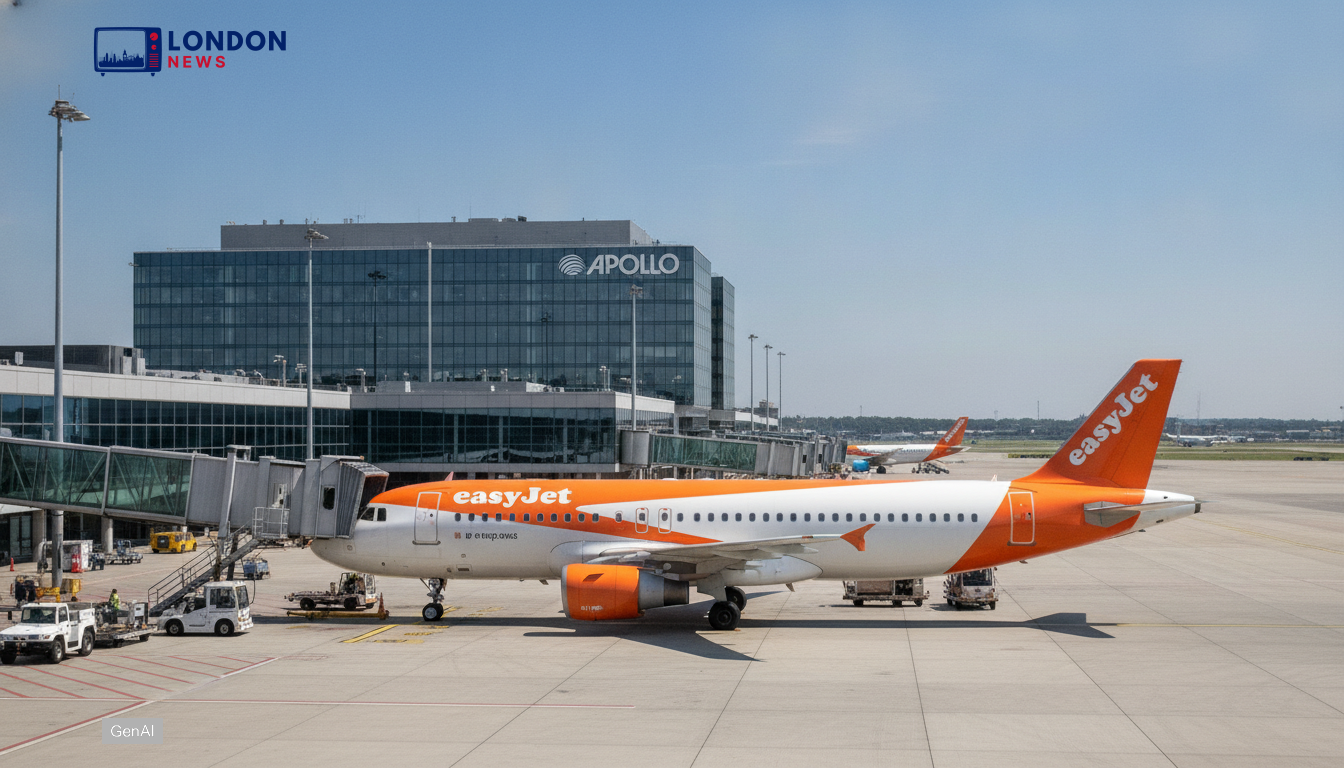
Apollo EasyJet Takeover Bid: What the £5.7bn Deal Means
EasyJet said it has agreed to be bought out in a deal valued at about £5.7bn. This is subject to both regulatory and shareholder approvals. According to Reuters, the Apollo EasyJet takeover bid involves a cash offer. The process could take the airline off the public market if all conditions for completion are met. As indicated by Reuters, the buyer is a US firm, characterising the transaction as a major European airline buyout. EasyJet announced that they aim to maintain operational continuity throughout this process, with schedules and staffing staying stable during the transition. Completion conditions often include competition clearance and secure financing before control changes hands, as noted in company communications and deal reporting.
Who is Apollo Global Management and Why Buy EasyJet?
Apollo Global Management, a US alternative asset manager, invests across private equity, credit, and real assets, according to its corporate profile. EasyJet’s statement on the agreement presents the offer as a long-term ownership plan. The aim is to improve resilience rather than reduction in its network. Market context is crucial; Reuters reported that private capital is increasingly interested as valuations reset. For further insights into strategic acquisitions, see Electronic Arts sale: $55bn Saudi backed buyout deal. Reuters noted the consideration value at £5.7bn, setting the headline terms investors will evaluate in this deal.
Regulatory Approvals, Timing, and Shareholder Steps
Next steps are procedural but consequential, involving shareholder and regulatory clearances according to published timelines, based on deal reporting. Reuters indicates board support shows management backing, but the buyer must satisfy completion conditions such as competition clearance and financing confirmations before control formally changes. This process typically covers formal documentation, a shareholder vote if necessary, and regulatory review in relevant jurisdictions. For insights on regulatory scrutiny, see Jaded London Smoking Ad Banned by ASA in the UK. Investors will watch if any competition authority remedies influence costs and timeline.
Impacts on EasyJet Passengers: Routes, Fares, and Protections
Passengers may be more concerned with fares, punctuality, and network breadth as the Apollo EasyJet takeover progresses. Bookings, flight operations, and customer service channels will reportedly continue as normal during the transition, with UK consumer protections anchored in existing aviation regulations. EasyJet states that their low-cost model remains key, aiming to retain its budget positioning under private ownership if the deal goes through. For examples of operational reliability in other fields, see Wildfire detection technology that speeds up fire crews. However, while the company hasn’t specified fare policy changes, pricing on major European routes will likely hinge on rival capacity and airport constraints, as often noted by analysts.
Airline Industry Context and What Happens Next
This proposed acquisition comes amidst a European aviation market contending with cost inflation, aircraft availability, and shifting leisure travel demand, as Reuters has outlined. Pressure points, such as fuel price volatility and airport capacity limits, make consolidation appealing for owners seeking scale and financial stability. EasyJet, like others, faces operational and competitive pressures, often shaped by seasonal disruptions and fare competition, based on airline reporting. A successful Apollo EasyJet takeover could enhance capital flexibility without compromising cost discipline. While separate takeover interest has been noted in past discussions about alternatives like the purported EasyJet Castlelake takeover, any such chatter remains speculative unless formally disclosed. EasyJet’s current stance focuses on the announced agreement.