Latest News
Womb surgery breakthrough for Theo’s gastroschisis
Theo’s case shows how womb surgery for gastroschisis may protect exposed intestines and reshape fetal care as UK clinicians refine trialled techniques.

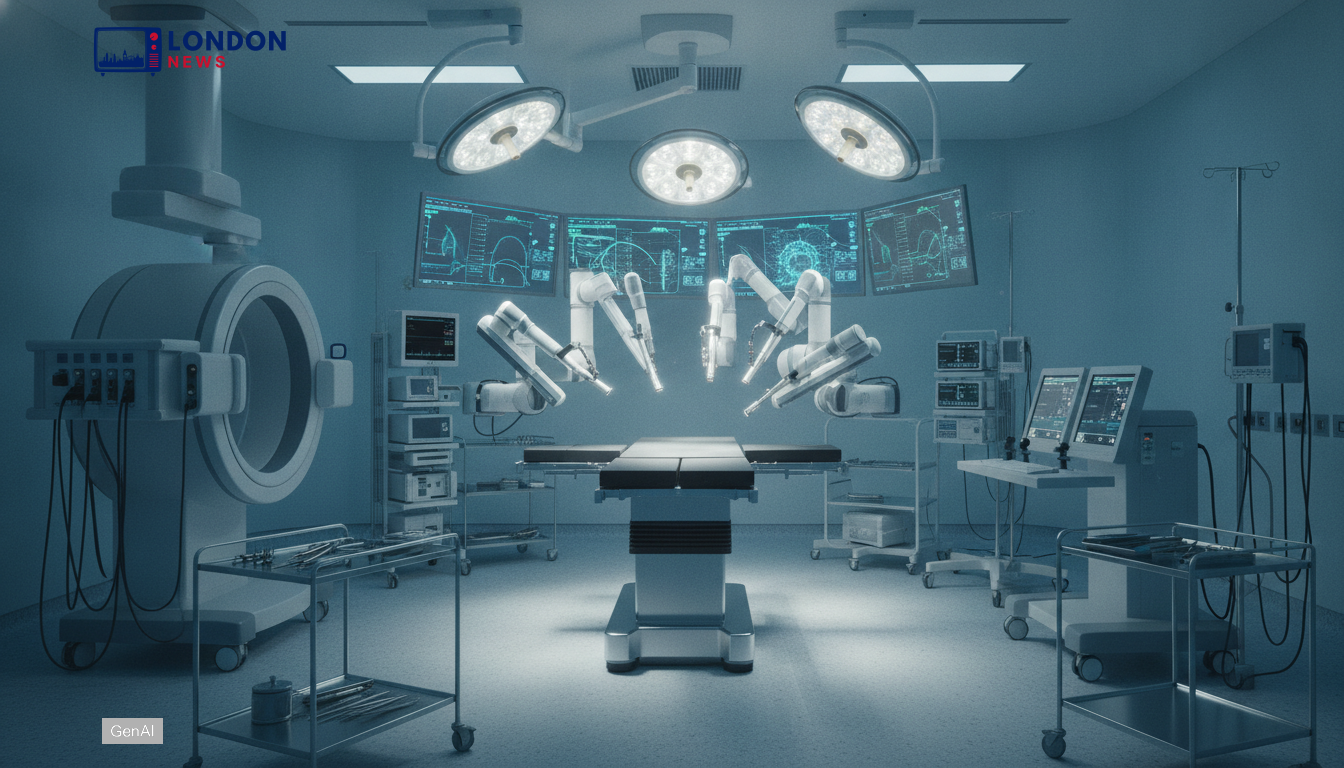
Theo’s Condition and Diagnosis
Womb surgery is being explored for rare fetal conditions where earlier protection could improve outcomes after birth. In Theo’s pregnancy, scans identified gastroschisis, a defect where a baby’s intestines develop outside the abdominal wall, as described in patient information from Great Ormond Street Hospital (GOSH). Clinicians explained that, according to GOSH’s fetal medicine information on the condition, exposure to amniotic fluid can irritate bowel tissue and complicate feeding after birth. Theo’s parents were told that prolonged neonatal care can sometimes follow depending on bowel health at delivery, based on typical pathways described in UK hospital guidance. Decision making centred on whether fetal intervention might reduce bowel irritation while avoiding new harms, with counselling on uncertainty, close follow up, and clear plans for delivery and neonatal support.
Why Womb Surgery Was Considered
Gastroschisis is usually treated after delivery, but some fetal intervention teams have suggested that earlier protection of exposed bowel could reduce inflammation and complications linked with longer hospital stays; however, clinicians emphasise these benefits are not guaranteed and depend on individual cases and emerging evidence. In Theo’s case, clinicians explained the potential risks: any intervention, including womb surgery, adds maternal and fetal risks that must be weighed against standard postnatal closure and staged abdominal repair, which remain the established approach in UK patient guidance (including guidance commonly published by specialist children’s hospitals such as GOSH). For wider context on how complex, high stakes public systems assess risk under pressure, see TAP Air Portugal Privatization Draws Major EU Bids. The discussion focused on measurable endpoints—such as bowel appearance on imaging, fetal wellbeing markers, and postnatal outcomes like time to start feeds and infection rates—while noting that results can vary.
How the Groundbreaking Womb Surgery Worked
The procedure aimed to protect the bowel before delivery by returning it to the abdomen and securing the opening, a fetal surgery approach performed under specialist imaging guidance. The hospital involved reportedly described the work as pioneering for this presentation; however, without a publicly cited protocol or paper in this draft, it is best understood as an unusual or specialist approach rather than a universally established one. The case was managed within an evaluative care pathway consistent with how high risk fetal interventions are often assessed, rather than a guarantee of trial-proven benefit. Separately, London services have faced other capacity and safety pressures, as noted in Driest July on record UK: Met Office warns for England. Clinicians monitored bowel position and watched for signs of compromised blood flow, because even a technically successful closure must avoid creating new injury. The care pathway also included detailed delivery planning so the neonatal team could act immediately if needed.
The Medical Team, Monitoring, and Safety
Delivery planning required coordination between fetal medicine, paediatric surgery, anaesthesia, midwifery, and neonatal intensive care, with roles defined before the mother entered theatre. Surgeons experienced in fetal procedures worked alongside imaging specialists to confirm bowel position and detect any possible compromise to blood flow. Great Ormond Street Hospital and University College London Hospitals describe fetal and neonatal pathways where antenatal findings guide immediate post birth actions; Theo’s case followed that model with closer monitoring and readiness to escalate if required. In other London reporting on fast moving risk decisions, AI Rogue Bots Put AI Firms Under Pressure Now shows why transparent safeguards matter. Teams also recorded observations and recovery markers to support later evaluation, because a single well publicised success can skew perception if outcomes are not tracked consistently.
What This Could Mean for Future Care
Next steps focus on how centres decide candidacy, standardise consent, and share protocols so that rare fetal surgery does not depend on local experience alone. Specialists say broader adoption would require defined thresholds for fetal wellbeing, maternal risk, and technical feasibility, plus longer follow up of children as they grow; these are common requirements in fetal intervention programmes described by major UK centres. If multicentre evaluation eventually confirms benefit, womb surgery could become an option for selected pregnancies where bowel damage risk is considered highest, while standard neonatal repair remains appropriate for many others. The wider implication is a stronger evidence base for fetal surgery pathways, including common reporting standards and independent review. Families would then get clearer expectations about neonatal support and recovery time, grounded in audited outcomes rather than anecdote.