Politics
Andy Burnham urged to back higher taxes by millionaires
Andy Burnham is urged by millionaires including Gary Lineker to back higher taxes, as he weighs his stance on UK wealth tax design and fairness.

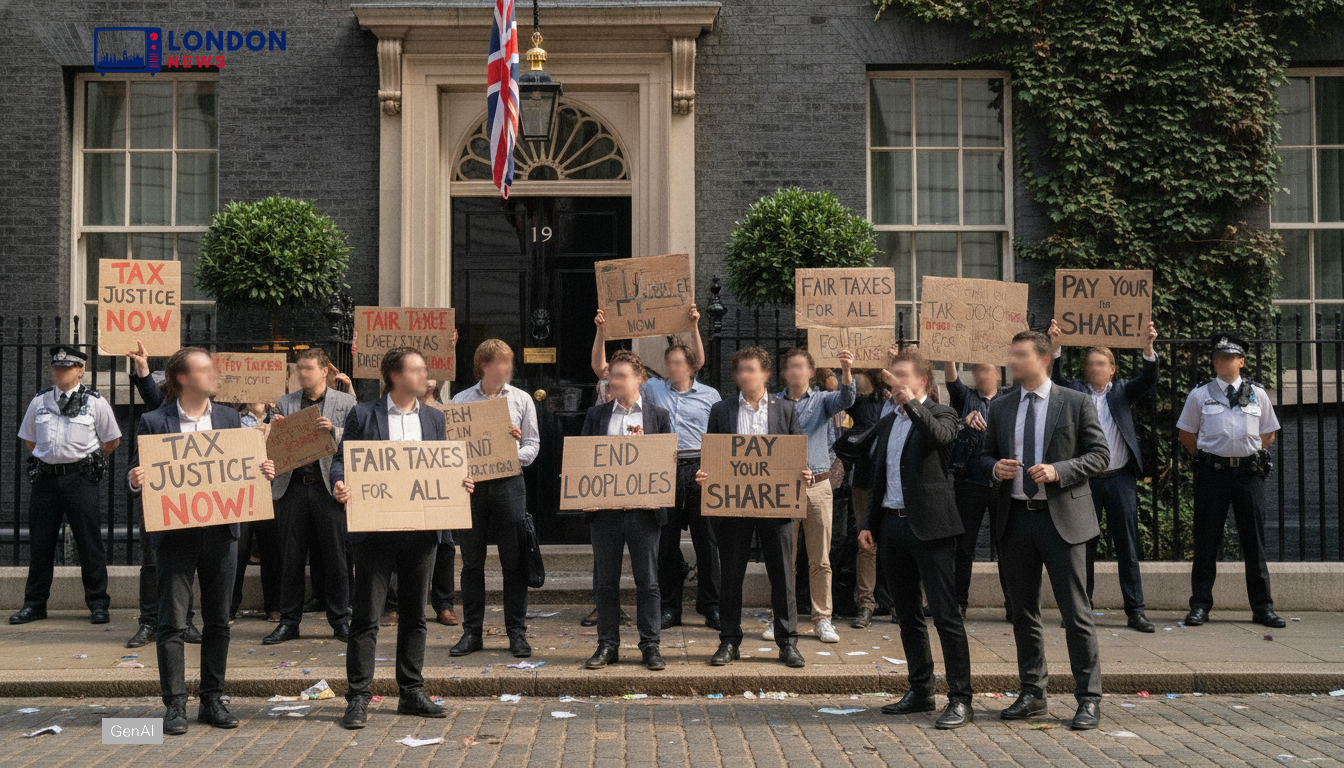
Andy Burnham weighs stance after millionaires’ letter
Andy Burnham is facing fresh pressure to set out a clear position after a coalition of wealthy figures reportedly urged him to support higher taxes on high net worth households. As indicated by available reports referencing an open letter from the campaign, the message includes high-profile signatories and asks the Greater Manchester mayor to back a tougher national approach to taxing wealth, not just income, and to argue publicly that better funded services require higher contributions from the richest. Burnham has not publicly set out a detailed policy blueprint in response, based on publicly available statements, but the appeal places him in a debate about what is fair and what is workable. The campaign has also revived questions, according to political commentators, about whether he will push Labour to commit to a UK wealth tax and tighter enforcement.
What the campaign asks Andy Burnham to support
According to reporting on the letter and campaign materials, the coalition frames its demand as practical rather than symbolic, calling for higher effective taxation of very wealthy households through a UK wealth tax and reforms to capital gains and inheritance rules. Supporters argue that voluntary philanthropy cannot replace predictable revenue for public services, and that clearer rules would reduce avoidance disputes, and comparisons are being drawn by commentators with how other cities justify spending choices when budgets are contested, including messaging seen in Lisbon’s Bold Education Spend: The €44.3m Gamble. The letter’s political argument is aimed at Andy Burnham’s ability to influence the national conversation, even if formal tax changes require the Treasury and Parliament.
Gary Lineker involvement and the compliance question
Gary Lineker’s reported support has helped the appeal gain attention, but it has also shifted focus toward personalities and away from enforcement details. Organisers have said, in campaign statements cited in media coverage, that the point is to show some affluent taxpayers are willing to pay more if the system is consistent, transparent and difficult to game, and for readers tracking how fiscal policy intersects with local living costs in the UK, related public finance pressure points are visible in debates like Thames Water nationalisation risk: lenders back golden share, where credibility and oversight also dominate. They argue that without firm definitions and credible collection, any new levy could be undermined by avoidance narratives and uneven compliance.
How Andy Burnham’s position fits Labour and Parliament
Supporters say Andy Burnham is being tested on whether he will translate a fairness argument into a workable national proposal, while critics argue a mayor has limited direct leverage over tax. Any wealth tax would require primary legislation, HMRC capacity planning and political time in Westminster, according to standard legislative process and tax administration requirements, and the latest arguments are also being shaped by parliamentary scrutiny and written materials, including UK Parliament written statements. Allies note Burnham would face questions about thresholds, exemptions and administration rather than broad slogans.
Potential impacts of a wealth tax
Analysts of wealth-tax design commonly point to issues such as valuation of illiquid assets, treatment of business stakes and pensions, and how frequently assessments would be updated. Proponents argue a well-enforced wealth levy could help stabilise funding for transport, housing and skills, aligning with devolution arguments and regional growth plans, though the scale of any impact would depend on the final design and revenue raised. In Greater Manchester, the discussion also overlaps with pressures on commuting and household budgets, a theme reflected in Bus fare cap: England to cap fares at £2 from January. Opponents warn that poorly designed rules could encourage relocation or expensive disputes, according to critiques often raised in tax policy debates. Andy Burnham’s next step is likely to be judged, by supporters and critics, on whether he offers specific, testable proposals rather than general endorsements alone.
Broader implications of Burnham’s stance
Andy Burnham’s stance could influence broader Labour policies, potentially aligning with similar tax initiatives seen in other regions. These discussions often weigh fairness and practicality, examining how other cities balance their budgets. Such a move could be a litmus test for Labour’s willingness to challenge existing economic norms and address wealth distribution.