Technology
UK Energy Transition Offshore Wind Exports Surpass Oil Revenues

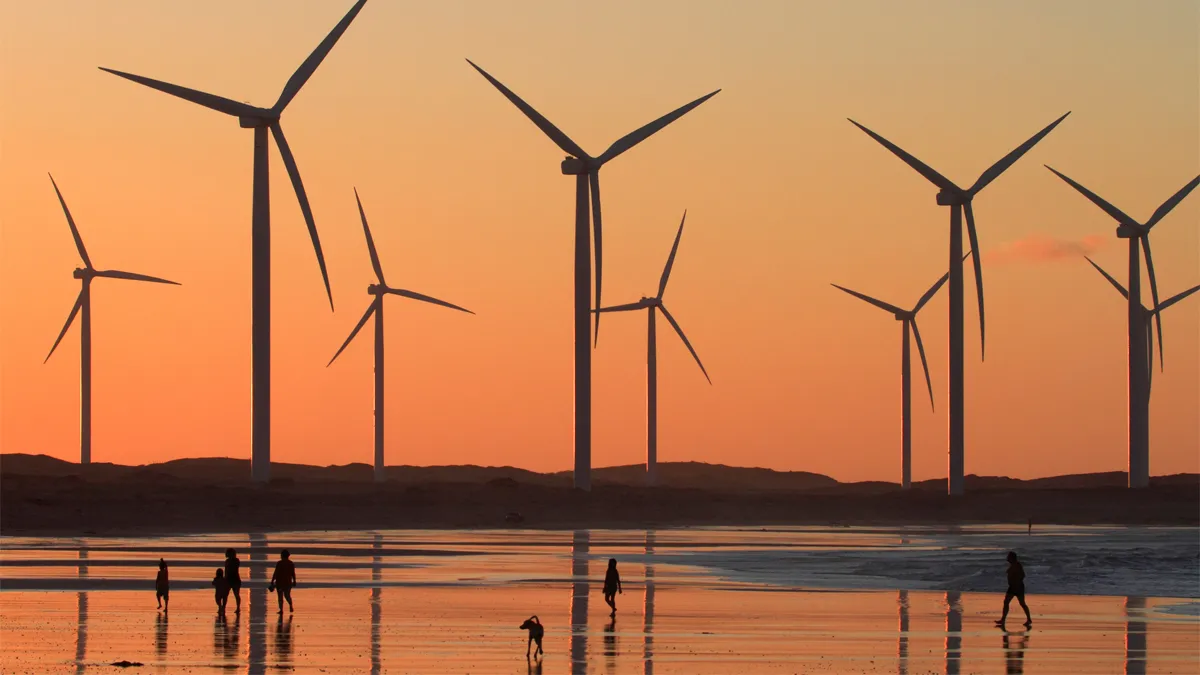
The United Kingdom has reached a historic milestone in its energy transition as offshore wind exports have officially surpassed oil revenues for the first time. The achievement highlights a significant economic and environmental shift, marking the country’s growing dominance in renewable energy and its gradual departure from dependence on fossil fuels. The change reflects a broader transformation within the global energy landscape, as nations move toward sustainable development and carbon neutrality. For the UK, this moment signifies not only a strategic triumph but also a glimpse into a cleaner and more resilient economic future.
Offshore Wind Becomes the New Economic Powerhouse
The surge in offshore wind revenue is the result of years of sustained investment in renewable energy infrastructure. The UK government has prioritized offshore wind development through subsidies, public-private partnerships, and innovation grants that encourage technological advancement. Today, the country operates several of the world’s largest offshore wind farms, with new capacity being added each year. As global demand for renewable energy grows, the UK’s ability to export clean electricity and technology expertise has positioned it as a leading supplier in the international energy market.
Analysts report that exports from offshore wind now generate more value for the UK economy than North Sea oil production. The decline in fossil fuel revenues is partly due to aging oil fields and increased production costs, while the renewable sector benefits from improved efficiency and global demand for low-carbon solutions. Industry data suggests that exports of wind-generated electricity, along with services such as turbine design and maintenance, have risen sharply in recent quarters.
This success has also strengthened regional economies across the country. Areas such as Scotland’s east coast, the Humber region, and Teesside have experienced renewed growth as investment flows into manufacturing, logistics, and maritime engineering. The expansion of offshore wind infrastructure has created thousands of jobs and revitalized local industries once dependent on oil and gas extraction. The economic benefits extend beyond energy generation, fostering innovation in digital monitoring, supply chain management, and materials engineering.
Policy Support and Global Leadership
Government policy has played a critical role in enabling this transition. The UK’s commitment to achieving net-zero emissions by 2050 has provided the long-term certainty needed for investors and energy companies to commit to large-scale renewable projects. The Department for Energy Security and Net Zero has prioritized offshore wind as the cornerstone of the national clean energy strategy. Recent auctions for wind development rights have attracted billions in private investment, confirming market confidence in the UK’s renewable energy trajectory.
Internationally, the UK’s expertise in offshore wind is in high demand. British firms are exporting their knowledge and technology to countries developing their own renewable infrastructure, including Germany, Japan, and the United States. The success of the UK model, combining strong regulation, research collaboration, and public investment, has made it a reference point for other nations seeking to accelerate their energy transition.
The government has also emphasized the importance of maintaining competitiveness in global energy markets. Incentives for innovation, tax relief for renewable investors, and expanded grid connectivity are helping to secure the UK’s leadership position. Meanwhile, universities and research centers are developing new turbine designs, storage solutions, and floating wind technologies that could further enhance efficiency and reduce environmental impact.
However, the path ahead is not without challenges. Industry leaders warn that continued success depends on stable policy environments and timely upgrades to energy infrastructure. Grid capacity must expand to accommodate increased generation from renewables, while planning and permitting processes must become more efficient to keep projects on schedule. Addressing these challenges will be essential to sustaining growth in the sector.
The Broader Impact of the Energy Transition
The shift from oil to wind represents more than an economic realignment, it signals a cultural and environmental transformation. The public perception of energy is evolving, with greater awareness of climate change driving demand for clean power. Consumers and businesses alike are increasingly choosing renewable energy providers, reinforcing the momentum toward decarbonization.
This transition also strengthens the UK’s geopolitical standing. As dependence on imported fossil fuels decreases, energy security improves. The ability to export renewable power positions the UK as a key player in international climate cooperation. By leveraging its renewable expertise, the country can influence global policy discussions and foster new trade relationships built on sustainable principles.
Economically, the success of offshore wind exports underscores the viability of green growth. The sector demonstrates that environmental responsibility and financial profitability can coexist. Investors are recognizing the long-term stability of renewables compared to volatile fossil fuel markets. This perception is transforming financial strategies across major institutions, with sustainability now a core factor in investment decisions.
Conclusion
The moment when offshore wind exports surpass oil revenues marks a defining chapter in the United Kingdom’s economic and environmental history. It proves that a nation once built on fossil fuels can reinvent itself through innovation and strategic vision. The growth of offshore wind energy is creating jobs, strengthening exports, and positioning the UK as a global leader in sustainable development.
While challenges remain in infrastructure and regulation, the overall direction is clear: renewable energy is now the foundation of the country’s economic resilience and environmental responsibility. The UK’s success story demonstrates how investment in clean technology can generate prosperity while protecting the planet. As offshore wind continues to expand, it is setting a new global standard for how nations can transition from carbon dependency to a truly sustainable future.