News
Student killing in Dehradun reignites debate over racism and identity in India

The killing of a young student in the northern Indian city of Dehradun has brought renewed attention to racism faced by people from India’s northeastern states, raising uncomfortable questions about identity, belonging and prejudice in a country that prides itself on diversity.
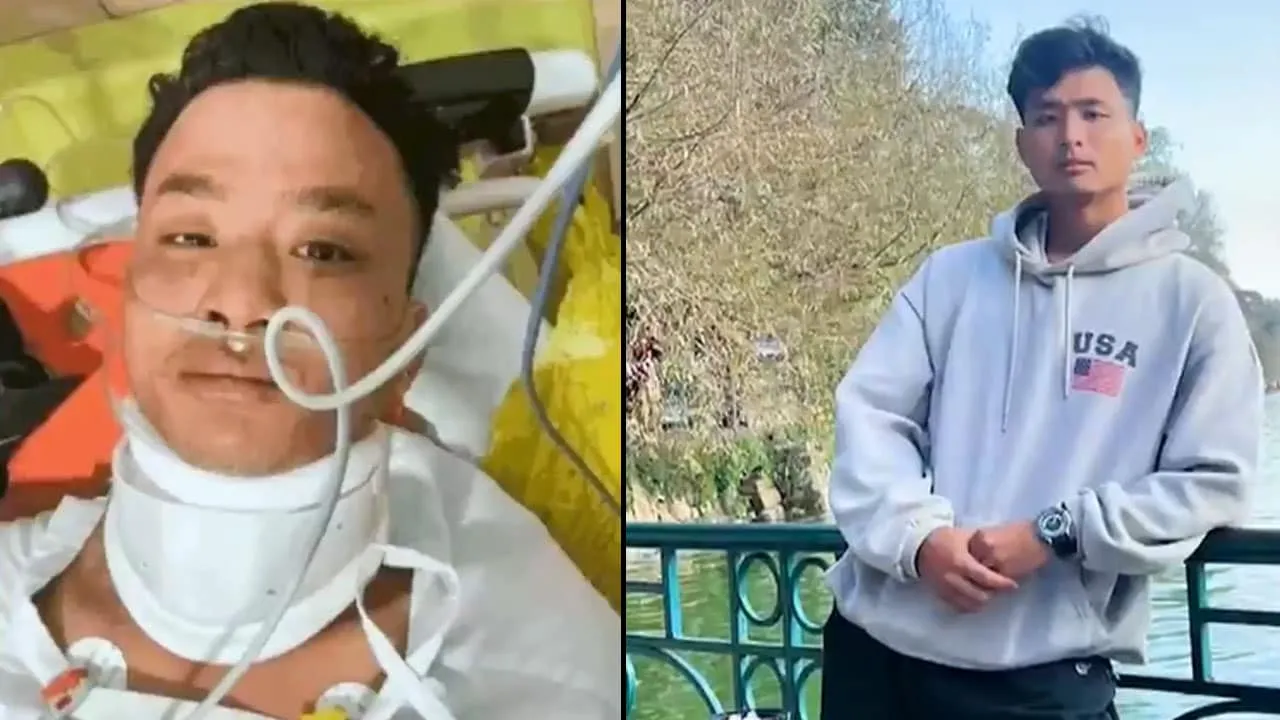
The incident occurred on December 9 in Dehradun, a city in the Himalayan foothills known for its educational institutions and migrant student population. Brothers Anjel Chakma and Michael Chakma, who had travelled more than 1,500 miles from the northeastern state of Tripura to pursue their studies, were visiting a local market when they were confronted by a group of men.
According to their father, Tarun Chakma, the attackers allegedly hurled racial slurs at the brothers, questioning their appearance and implying they were not Indian. When the brothers protested, the confrontation escalated into violence. Michael Chakma was struck on the head with a metal bracelet, while Anjel Chakma suffered multiple stab wounds.
Michael survived after receiving medical treatment, but Anjel remained in hospital for more than two weeks before succumbing to his injuries. He died 17 days after the attack, triggering outrage among students, civil society groups and activists across the country.
The case has struck a particular nerve because it echoes long standing grievances voiced by people from India’s northeast, many of whom report frequent discrimination in mainland cities. Individuals from the region, which includes states such as Tripura, Nagaland and Manipur, often say they are stereotyped because of their facial features, language or cultural practices.
In the days following Anjel’s death, students from the northeast studying in Dehradun organised vigils and protests, demanding justice and stronger protection. Many shared personal accounts of harassment and abuse, saying the attack reflected a deeper problem rather than an isolated incident.
Local authorities in Dehradun said an investigation is under way and suspects have been questioned. Police have assured the family and the public that the case will be handled seriously, but campaigners argue that accountability alone is not enough to address systemic prejudice.
Scholars and rights advocates say racism in India is often poorly acknowledged, partly because it does not fit neatly into traditional narratives about caste or religion. People from the northeast are Indian citizens, yet many say they are routinely treated as outsiders within their own country.
The question reportedly posed by the attackers, asking how the brothers could look Indian, has resonated widely on social media. For many, it exposed assumptions about what being Indian is supposed to look like, ignoring the country’s vast ethnic and cultural range.
The Indian government has previously issued advisories urging states to protect people from the northeast and has promoted helplines and awareness campaigns. However, critics argue that enforcement is uneven and that deeper educational efforts are needed to challenge prejudice.
University administrators in Dehradun have expressed condolences and promised to review student safety measures. Some institutions are now considering additional orientation programmes to promote cultural understanding among students from different regions.
For the Chakma family, the focus remains on justice for Anjel. His death has become a symbol of a wider struggle faced by many northeastern Indians who migrate for education and work, hoping for opportunity but encountering hostility instead.
As India grapples with the aftermath of the killing, the case has forced a national conversation about racism that many say is long overdue. Whether it leads to meaningful change will depend on how seriously society and institutions confront the uncomfortable realities it has exposed.