News
Nigerian Security Operation Claims Hundreds of Bandit Lives in Major Anti-Kidnapping Offensive

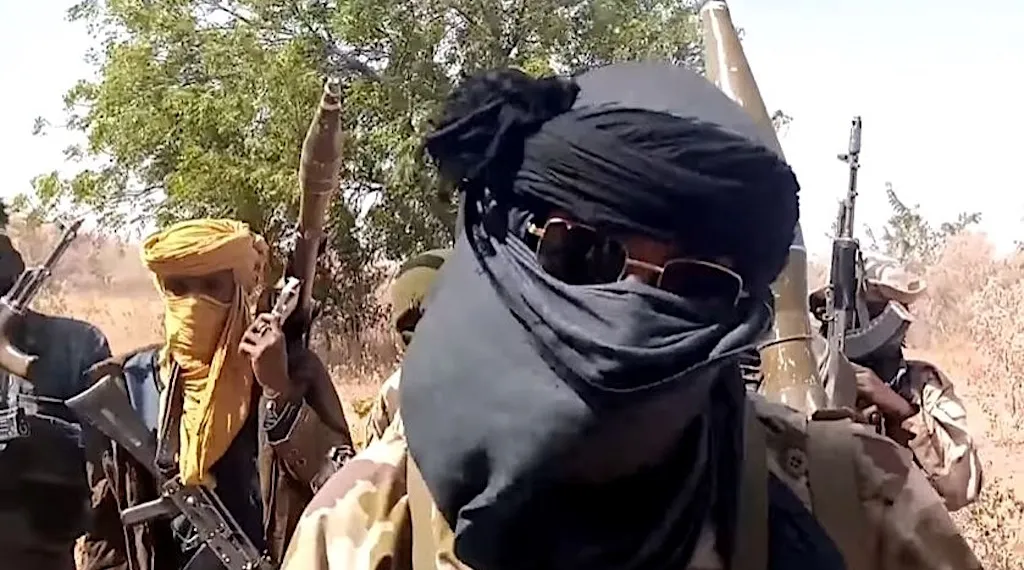
Nigerian authorities say a large-scale security operation targeting criminal kidnapping gangs has killed around 200 suspected bandits, marking one of the deadliest crackdowns on organised crime in recent years. The offensive, which began on Saturday, involved multiple security agencies and was aimed at dismantling networks responsible for widespread abductions and violence across the country.
A media officer for the Kogi state government confirmed that the operation had resulted in significant casualties among criminal groups, as well as a number of arrests, though officials did not specify how many suspects had been detained. Security forces reportedly conducted coordinated ground assaults and aerial operations in forested areas believed to be hideouts for armed gangs.
Criminal groups commonly referred to as bandits have terrorised parts of Nigeria for years, particularly in the north-west. These gangs are known for carrying out mass kidnappings for ransom, attacking villages, and killing civilians and security personnel. While their activities were once concentrated in states such as Zamfara and Kaduna, authorities say the groups have increasingly expanded into central regions, including Kogi, heightening fears of a wider security breakdown.
Kogi state, located in central Nigeria, has in recent months seen a rise in kidnapping incidents along major highways and in rural communities. Officials say criminal groups have exploited dense forests and limited state presence to establish camps and launch attacks. The latest operation was designed to disrupt these safe havens and prevent further spread of violence.
According to government sources, the offensive brought together the Nigerian military, police, intelligence services, and local security units. Such multi-agency operations have become more common as authorities seek to respond to criticism that previous efforts were fragmented and ineffective. Officials involved in the operation described it as intelligence-led and carefully planned, though independent verification of casualty figures remains difficult.
Nigeria’s ongoing battle with banditry has become one of the country’s most pressing security challenges. Kidnapping for ransom has evolved into a lucrative criminal enterprise, with gangs targeting schoolchildren, commuters, farmers, and entire communities. Families are often forced to sell property or livestock to secure the release of loved ones, while some victims are killed even after ransoms are paid.
Human rights groups have repeatedly raised concerns about civilian safety during large-scale military operations. In past offensives, allegations have emerged of collateral damage, displacement of residents, and abuses by security forces. Authorities insist that the latest operation was conducted with care to protect civilians, but details remain limited.
The federal government has faced mounting pressure to restore security as violence fuels displacement and economic disruption. Farmers in affected regions have abandoned their land, worsening food insecurity, while businesses struggle to operate amid fear of attacks. President and senior officials have pledged to intensify operations against armed groups and deny them the ability to regroup.
Analysts caution that while major offensives can deliver short-term gains, lasting solutions require addressing underlying drivers of banditry. Poverty, unemployment, weak governance, and the proliferation of small arms are often cited as factors that allow criminal groups to recruit and operate. Without sustained development and effective policing, experts warn that new gangs could emerge even after significant losses.
For residents of Kogi and neighbouring states, the operation offers a measure of hope that authorities are taking decisive action. Yet many remain wary, recalling previous crackdowns that failed to end the cycle of violence. As security forces continue their campaign, the true impact of the latest operation will depend on whether it leads to lasting stability rather than another temporary lull in attacks.