Business
Can Technology Help Farmers Manage the World’s Toughest Spice Crop?

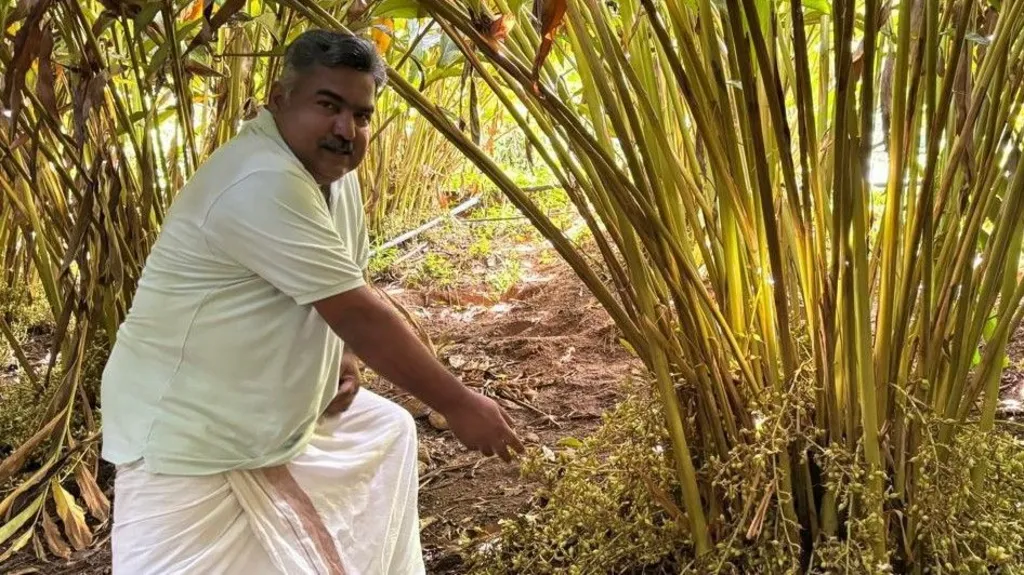
Cardamom has long been celebrated for its rich aroma and complex flavour, but for the farmers who grow it, the spice is anything but simple. In the hills of Kerala, where cardamom has been cultivated for generations, farmers like Stanley Pothan describe it as the toughest crop they have ever handled. He explains that cardamom plants are extremely delicate, responding poorly to even minor shifts in their environment. They are vulnerable to diseases, pest attacks, and unpredictable weather, meaning farmers must watch their fields constantly. Mr Pothan says that every leaf and every flower demands daily attention. A slight change in conditions can put an entire season’s work at risk.
Climate Challenges Threaten Production
Weather patterns have become a major source of stress for growers. The intense summer heat last year reduced yields significantly and tightened global supplies. Guatemala, which is the world’s largest producer, lost nearly 60 percent of its crop because of the heat. Kerala’s farmers also faced heavy losses. These shortages contributed to a sharp rise in prices, with cardamom trading at seventy percent higher than the previous year. Although high prices should theoretically help farmers, the risk remains enormous. A single bout of heat or unexpected rain can wipe out the harvest, leaving farmers exposed to financial uncertainty despite soaring market demand.
Research Efforts to Support Farmers
The Indian Cardamom Research Institute has been working to ease these pressures. The institute focuses on improving crop resilience, enhancing disease surveillance, and strengthening soil management practices. It has also embraced digital tools. Dr A B Reema, the institute’s director, says that technology is now a daily part of farming. Through mobile apps, farmers can monitor soil health, track rainfall, receive pest alerts, and get personalised advice. Small-scale farmers who once relied solely on local guidance can now access detailed information directly from their fields.
Searching for Hardier Cardamom Varieties
Scientists in Kerala are working on developing stronger and more climate resilient strains of cardamom. Assistant professor Preity Chetty says the goal is to create varieties that can withstand disease and pest outbreaks while still producing high yields. Researchers have already identified one variety that grows with limited water. They are also studying the plant’s genetic structure to find markers linked to desirable traits. This research could help speed up breeding programmes and eventually support farmers with plants that require fewer inputs while delivering more consistent harvests.
Tackling the Drying Bottleneck
Drying the pods after harvest is another challenge. Large farms often own their own dryers, but smaller farmers usually depend on neighbours or middlemen. This can affect the quality and reduce the market value of their produce. Social entrepreneur Annu Sunny founded Graamya in 2016 to address this gap. She says cardamom farming requires over a decade to master and that each season behaves differently. Graamya has introduced heat pump dryers that offer a cleaner and more efficient alternative to traditional wood-fired systems. Farmers are charged a lower rate per kilo and benefit from a better finished product. The pods retain a fresher green colour, which is a key factor in determining their price.
A Difficult Crop with New Tools on the Horizon
Cardamom farming remains risky and labour intensive, but technology and scientific research are offering farmers new ways to manage its unpredictability. With better tools for monitoring fields, improved crop varieties and more affordable drying solutions, growers may finally have a chance to make this demanding crop more sustainable and more profitable in the long term.