Politics
British Egyptian Activist Returns to UK Amid Political Controversy

The return of a prominent British Egyptian activist to the United Kingdom has reignited political debate, drawing attention to issues of human rights, misinformation, and international diplomacy. Alaa Abd El Fattah, who arrived in the UK on Friday, has become the focus of renewed controversy after appearing to endorse claims that he has been targeted by a coordinated smear campaign.
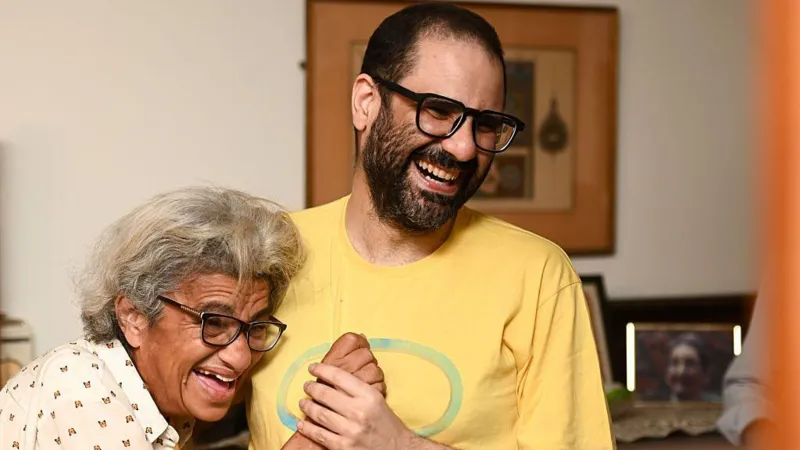
His arrival marked an emotional reunion with his family after more than a decade apart, following his release from an Egyptian prison where rights groups say he was unfairly detained. Yet the relief surrounding his return has quickly been overshadowed by political disputes over how his case is being portrayed.
A Long Detention and International Pressure
Alaa Abd El Fattah spent years behind bars in Egypt after becoming a well known figure during the Arab Spring protests. His detention was repeatedly criticised by international human rights organisations, which argued that his imprisonment was politically motivated and violated basic legal protections.
Governments and advocacy groups in the UK and Europe raised concerns about his health, access to legal representation, and conditions of confinement. Over time, his case became emblematic of broader worries about freedom of expression and political dissent in Egypt.
His release followed sustained international pressure, diplomatic engagement, and public campaigning by supporters. For many, his arrival in the UK symbolised the end of a long and painful chapter.
Smear Campaign Claims Add New Tension
Shortly after returning, Abd El Fattah appeared to support claims that narratives surrounding his case were part of a smear campaign designed to undermine his credibility. These allegations, described by critics as baseless, suggest that false or misleading information has been circulated to discredit him and distract from the circumstances of his detention.
The endorsement of such claims has added complexity to an already sensitive situation. While supporters argue that misinformation has long surrounded his case, others warn that unsubstantiated accusations risk escalating political tensions and muddying the facts.
Political Implications in the UK
The controversy has placed pressure on political figures in the UK, where Abd El Fattah holds citizenship. His case has previously been raised in Parliament as an example of the government’s responsibility to protect its nationals abroad. Now, questions are being asked about how officials should respond to claims of misinformation while maintaining diplomatic balance.
The UK government has not formally endorsed the smear campaign allegations but continues to emphasise its commitment to human rights and rule of law. Analysts note that the situation highlights the difficulty governments face when individual human rights cases intersect with broader geopolitical relationships.
Egypt’s International Image Under Scrutiny
Abd El Fattah’s detention and release have drawn renewed scrutiny to Egypt’s human rights record. International observers say the case illustrates ongoing concerns about political freedoms, judicial independence, and treatment of dissidents.
At the same time, Egyptian authorities have consistently rejected accusations of wrongdoing, maintaining that legal processes were followed. The emergence of smear campaign claims further complicates international perceptions, as competing narratives vie for credibility on the global stage.
The Role of Misinformation in Political Conflicts
The dispute underscores how misinformation and counter claims have become central features of modern political conflicts. Activists, governments, and media audiences are increasingly navigating environments where facts are contested and trust is fragile.
Experts warn that allegations of smear campaigns, when unsupported, can deepen polarisation and distract from substantive human rights issues. Conversely, they acknowledge that genuine disinformation efforts do exist and can have serious consequences for individuals.
A Moment of Relief Shadowed by Uncertainty
For Abd El Fattah and his family, the reunion in the UK represents a deeply personal victory after years of separation. Yet the political fallout from his case shows little sign of fading. His story continues to sit at the intersection of activism, international relations, and the global debate over truth and accountability.
As attention shifts from his detention to the narratives surrounding his release, the challenge for observers will be separating verifiable facts from speculation. What remains clear is that his case will continue to influence discussions about human rights, diplomacy, and political discourse in the months ahead.