Tech
WhatsApp rolls out incognito chat privacy for AI
WhatsApp incognito chat debuts as a privacy feature for its AI chatbot, with Live testing, Today rollouts, and Update guidance on user controls and risks.

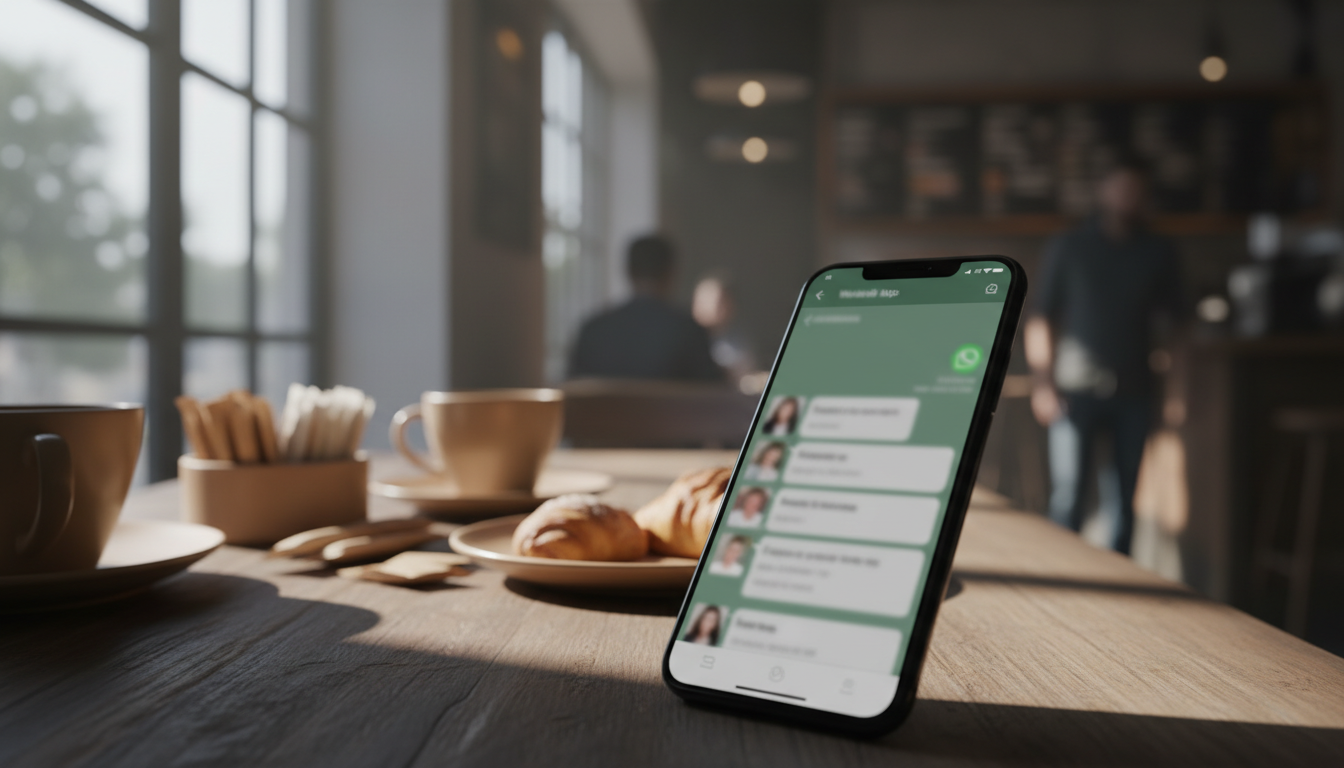
WhatsApp Introduces a New Privacy Feature
WhatsApp is moving quickly to position its AI assistant as a private place to experiment, not just a utility. Today, the company is pitching a new option that separates sensitive prompts from the rest of a users inbox, and it is being framed as a practical privacy feature rather than a marketing stunt. In the middle of the rollout notes, WhatsApp incognito chat is described as a way to keep certain conversations from being treated like normal threads while the assistant is used. The latest Update from the company focuses on user controls, including how a person enters and exits the mode. The change lands as regulators and platform watchers scrutinize how assistants retain context.
How the Incognito Chat Mode Works
In product briefings, Meta describes the setting as a dedicated space for the AI chatbot where the app limits what is stored or surfaced in the main interface. Live availability is expected to vary by region and account type, and Meta has not published a single global launch timetable. For context on how fast assistant tooling is evolving, TechCrunch has tracked the wider trend in What happens when AI starts building itself? while consumer apps race to add guardrails. WhatsApp says the mode is activated inside the assistant experience, then users can return to standard chat views without merging the threads. The Update guidance also emphasizes that users should still avoid sharing highly sensitive identifiers in any AI conversation.
Privacy Concerns Surrounding the New Feature
Privacy advocates are watching whether the new mode reduces exposure or simply changes how the conversation is displayed. Today, the important issue is not only what appears on screen, but what metadata and prompts may remain available for safety review, abuse prevention, or model improvement, depending on policy. WhatsApp incognito chat will be judged on how clearly those boundaries are explained inside the app, not in fine print. For a broader look at how technology policy is colliding with risk models, readers can reference Geopolitics and Tech Are Redrawing Insurer Risk as insurers and platforms reassess exposure. Live testing will likely probe whether users understand what is private by default and what remains subject to enforcement and auditing rules.
Implications for User Accountability
The accountability question is whether incognito design changes expectations about traceability when harmful content is generated or shared. Live moderation systems still depend on signals, and WhatsApp has long said it balances privacy with combating scams and abuse within its services. Today, the risk is that users may assume incognito equals consequence free, even if policies still apply and enforcement can still occur. WhatsApp incognito chat could reduce casual shoulder surfing, but it does not remove a users responsibility for what they send or act on. In London in 2026, debates about transparency and public trust often surface after tech changes, and the politics of oversight remain visible in coverage like London local polls: results and political impact. The next Update worth tracking is how clearly WhatsApp labels reporting and safety pathways inside the mode.
What This Means for the Future of Messaging
The near term impact is competitive, because every major platform is trying to make assistants feel safer without making them less useful. Today, WhatsApp is signalling that private assistant interactions are becoming a default expectation, not a niche add on, and other apps will face pressure to match the experience. If the company can show that the privacy feature reduces accidental exposure while preserving safety enforcement, it becomes a template for the industry. Live user behaviour will determine whether people treat the mode as a scratchpad for experimentation or a place to move sensitive tasks. The next Update to watch is whether WhatsApp expands the concept beyond the assistant, such as for temporary threads, restricted histories, or stronger controls around message exports. The direction is clear: messaging apps are evolving into private AI workspaces.