Tech
Motability halts black box installs after backlash
Motability has paused compulsory telematics after driver criticism. This Update explains why motability scheme black boxes changed, and what comes next.

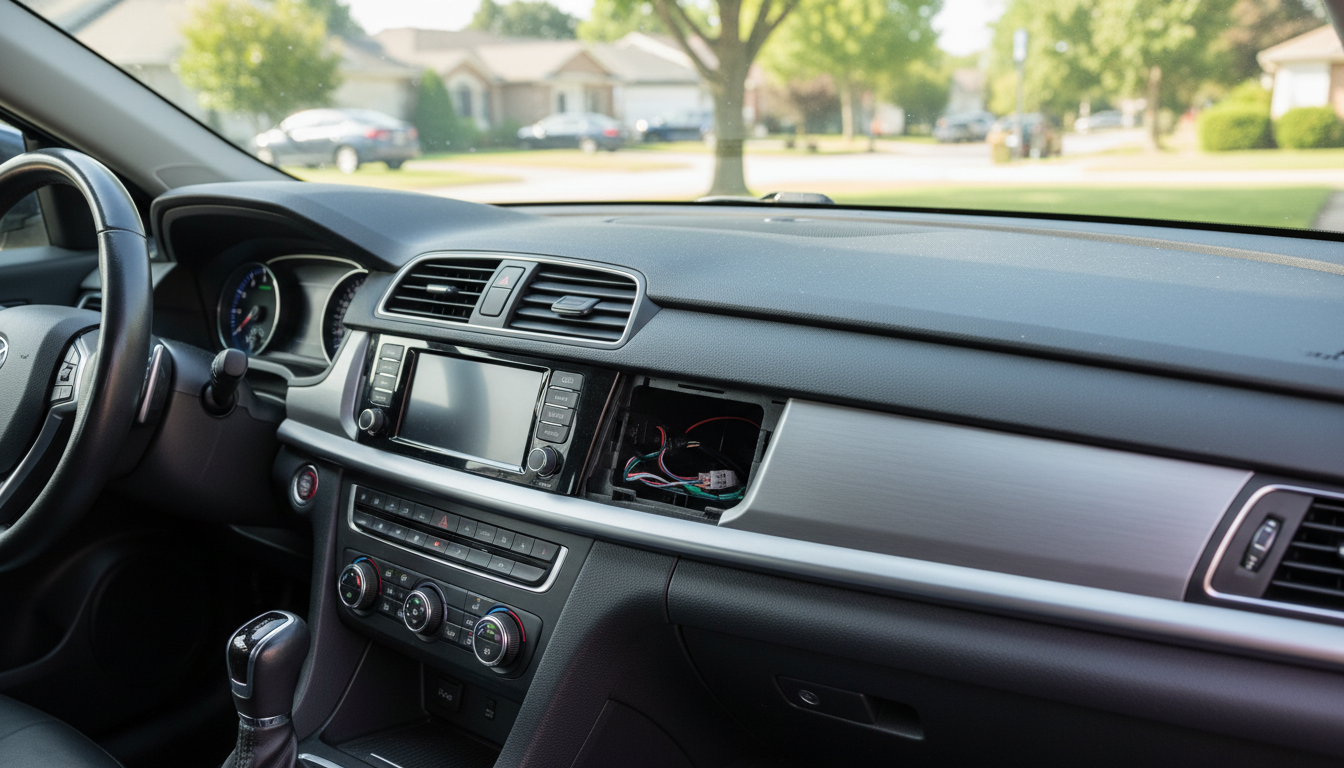
Motability Faces Backlash Over Black Boxes
Motability has halted plans to make telematics mandatory on some leases, after a wave of complaints from customers and advocates. The change is being treated as a significant policy pivot because the decision directly affects how disabled drivers are assessed and supported on the road. In internal briefings shared with partner networks, the issue of motability scheme black boxes has been framed as a trust and transparency problem, rather than a purely technical rollout. Today, disability groups in London say the episode has raised wider questions about consent and proportionality in monitoring. Live reaction from drivers has also focused on whether the original approach created stigma. The latest Update is that installations are no longer being pushed as compulsory.
Drivers’ Criticism Forces Policy Reversal
The reversal follows driver criticism that compulsory telematics could punish people for atypical driving patterns linked to impairment, fatigue, or accessible vehicle adaptations. Motability has not published a full timeline, but spokespeople have confirmed publicly that the requirement was withdrawn after feedback, and that customer experience will be reviewed. In parallel, technology changes in other consumer services have heightened sensitivities around monitoring, with privacy and cybersecurity risks now central to public debate; for context on how risk is being repriced across sectors, this related analysis, Geopolitics and Tech Are Redrawing Insurer Risk, tracks how insurers and partners are responding to instability. Today, Motability staff have been briefed to handle Live enquiries with consistent wording. A further Update is expected once consultation inputs are compiled.
Understanding the Tech Behind Black Boxes
Black box policy debates often turn on what devices actually capture and how that data is interpreted. Telematics units typically record speed, acceleration, braking, cornering, and the time of day a journey occurs, then use scoring models to flag higher risk behaviour. Motability black boxes were expected by some drivers to operate like insurer devices, but Motability has not released a single public technical standard detailing sampling rates, retention periods, or the exact model used for alerts; for readers following live technology governance controversies, TechCrunch has highlighted security issues in adjacent systems, including OpenAI data theft disclosure. In London, advocates have warned that opaque scoring can amplify mistrust, particularly when accessibility modifications alter handling. Today, Motability says any future design must be clearer and optional. Another Update is anticipated on safeguards.
Implications for Drivers Without Black Boxes
Removing compulsory devices changes how disputes, support interventions, and risk management will be handled on the scheme. Without a standard telematics feed, Motability and its insurance partners may rely more on traditional claims processes, repair histories, and driver communication when incidents occur; for a snapshot of how public feedback can shift institutional decision making, see London local polls: results and political impact, which tracks rapid responses to voter concerns. The immediate effect for many customers is relief, but some drivers who wanted telematics for reassurance will now need alternative options that do not feel punitive. London road safety groups also note that data driven coaching can work when it is opt in and clearly explained. Live call centres are being told to treat complaints as service failures, not misconduct. Today, an Update to customer guidance is being rolled out through dealers.
Future of Motability’s Policy Changes
Motability now faces a narrow path between reducing avoidable harm and avoiding surveillance by default. Any future policy changes are likely to depend on consultation with disabled drivers, plus clearer language on data use, retention, and who can access scoring outcomes. Organisations supporting disabled motorists have urged Motability to publish plain English documentation and to separate safety support from enforcement. The sector also expects closer scrutiny of procurement choices, because device vendors and insurers influence how models are calibrated and challenged. Live monitoring may still be offered, but only if it is demonstrably fair for adapted vehicles and varied mobility needs. Today, campaigners say the key test will be whether driver criticism is treated as an ongoing governance input, not a one off crisis; in London, that includes feedback relayed through dealer networks and disability groups on 14 May 2026. The next Update should include a published framework and accountability points.