Tech
British Teens Push Back Against Proposed Social Media Ban for Under 16s

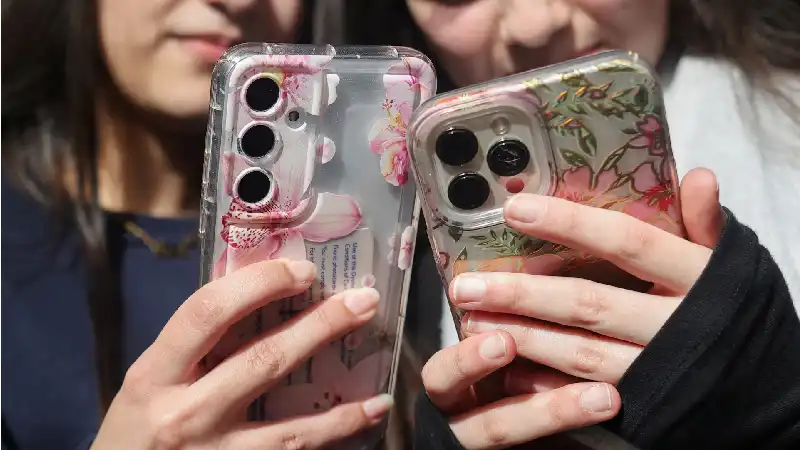
Teenagers in Britain are voicing strong opposition to proposals that could restrict social media access for younger users, as policymakers consider measures similar to Australia’s recent ban on platforms for children under sixteen. The debate comes as governments across Europe and beyond increasingly focus on the potential risks social media may pose to young people’s mental health, safety and development. While officials say new regulations could help protect children from harmful online content, many teenagers argue that social media plays an essential role in their daily lives, helping them stay connected with friends, explore interests and engage with global conversations.
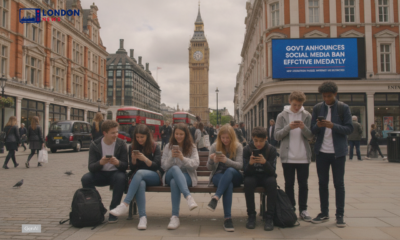
Students in London say platforms such as TikTok, Snapchat and Instagram have become deeply embedded in their social routines and communication habits. Many teenagers acknowledge that these apps can be addictive and sometimes expose them to troubling content, yet they also believe banning them would not solve the underlying issues. Some students say they spend several hours a day scrolling through content, particularly on short video platforms where endless streams of clips can keep users engaged for long periods. Despite recognising the downsides, they argue that social media remains one of the main ways young people communicate, express themselves and discover new ideas.
Technology companies have defended their platforms by highlighting safety features designed specifically for teenage users. Snapchat says it automatically sets accounts for younger users to private and limits contact with strangers, while Instagram has introduced specialised settings that restrict sensitive content and allow parental supervision tools. TikTok also applies screen time reminders and prompts younger users to log off after certain hours. However, many teenagers admit that these restrictions can often be bypassed or ignored, raising questions about how effective current safety systems really are.
The debate is also dividing experts studying the relationship between social media and youth wellbeing. Some psychologists warn that algorithm driven platforms can encourage unhealthy patterns of behaviour by constantly feeding attention grabbing content designed to keep users engaged. They say certain feeds can promote unrealistic beauty standards, extreme dieting messages or other harmful material that may affect teenagers’ self esteem. At the same time, researchers emphasize that social media experiences vary widely among individuals and that many young people use these platforms in positive ways to build friendships, develop creativity and access information.
Teenagers themselves describe a complex relationship with their online lives. Some say scrolling through content can provide a break from academic stress, especially during intense exam periods. Others believe posting videos or photos allows them to express their personalities and connect with communities that share similar interests. Yet many also admit that social media can sometimes expose them to cyberbullying, negative comments or distressing images that leave them feeling emotionally drained after extended use.
Another major concern raised by students is whether a social media ban could realistically be enforced. Many teenagers believe that determined users would quickly find ways around restrictions through alternative websites, private networks or new platforms that are harder for regulators to monitor. Some also warn that banning mainstream platforms could push young users toward less regulated online spaces where harmful material may be even more difficult to control. Critics of bans therefore argue that improving platform safety and digital education might be more effective than outright prohibitions.
The issue has become part of a broader global debate about how governments should regulate technology companies and protect children online. Countries around the world are examining stricter age verification systems, stronger content moderation rules and expanded parental control tools. In Britain, the government has launched a public consultation asking citizens, experts and young people themselves to share views on how social media should be regulated in the future.
Early data from countries that have already attempted bans suggests that enforcement remains challenging. Industry research indicates that a significant number of teenagers continued using social media even after restrictions were introduced in some regions. As the UK consultation continues, policymakers must weigh the potential benefits of stricter regulation against the practical realities of how young people interact with digital technology in an increasingly connected world.