
Technology
London Considers New Charges for SUVs as Road Safety Debate Intensifies

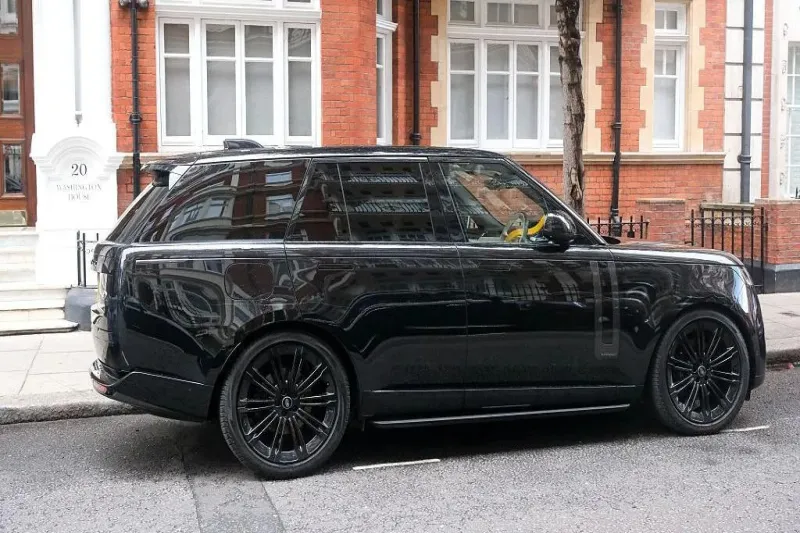
London Mayor Sadiq Khan is considering introducing new charges for sport utility vehicles in the capital as part of a broader strategy aimed at improving road safety. The proposal forms part of the city’s Vision Zero action plan, which targets the elimination of deaths and serious injuries on London’s roads by 2041. Officials say larger vehicles such as SUVs pose greater risks to pedestrians and cyclists due to their size and design. The potential charges would be one of several measures being examined to reduce dangers on busy urban streets and encourage safer driving practices across the city.
Research conducted for Transport for London suggests that larger vehicles can increase the severity of injuries when collisions occur. According to analysis cited in the new road safety strategy, SUVs are statistically more likely to cause fatal harm to pedestrians compared with smaller cars during accidents. Officials argue that the higher front profiles and heavier weight of these vehicles may contribute to more severe impacts. As a result, policymakers are exploring whether financial incentives or penalties could help reduce the number of oversized vehicles operating in densely populated areas.
The issue has gained attention as the number of SUVs on London’s streets has grown rapidly over the past two decades. Campaign groups estimate that there were around eight hundred thousand SUVs registered in the capital by 2023, compared with roughly eighty thousand at the beginning of the century. Urban planning experts say the increasing size of vehicles has begun to influence how city streets function. Wider vehicles can take up more road space and may obstruct visibility for pedestrians, particularly children attempting to cross busy roads.
City officials say the Vision Zero plan includes a wide range of initiatives designed to improve safety beyond the potential SUV charge. The strategy outlines dozens of actions intended to reduce road accidents and protect vulnerable road users. These measures include the expansion of twenty mile per hour speed limits across more neighborhoods, the installation of additional pedestrian crossings and the use of artificial intelligence systems to detect dangerous driving behavior. Officials believe that combining infrastructure improvements with technology and policy changes can help reduce serious accidents over time.
Supporters of stricter vehicle rules argue that adapting urban transport policies is necessary as cities become more crowded. Safety advocates say that managing vehicle size and weight is one way to create safer streets for pedestrians and cyclists. They also point out that SUVs can reduce visibility at junctions and crossings, making it harder for people on foot or bicycles to see approaching traffic. From this perspective, new regulations could encourage a shift toward smaller vehicles that are better suited to dense city environments.
However the proposal has sparked political criticism from some local leaders and opposition figures. Critics argue that additional charges on certain vehicles could place unnecessary financial pressure on residents who rely on cars for commuting or family travel. Some opponents claim the idea reflects a broader policy direction that they believe discourages car use in the capital. They say road safety improvements should focus more on infrastructure changes and driver education rather than targeting specific types of vehicles.
The mayor has defended the broader safety strategy, emphasizing that the goal is to protect lives rather than restrict motorists. He has said that reducing road deaths and serious injuries requires bold action and long term planning. According to city authorities, the Vision Zero program represents a comprehensive effort to make streets safer for everyone who uses them. Officials believe that combining policy changes with technological innovation and infrastructure investment can gradually transform the safety of London’s transport network.
The discussion around SUV charges highlights a wider debate about how major cities balance mobility with safety and environmental goals. As urban populations grow and vehicle design evolves, policymakers are increasingly examining how transport systems affect pedestrian safety and public space. London’s review of potential SUV regulations is expected to continue as officials gather feedback and assess possible impacts on drivers, residents and the city’s wider transport system.



