Sports
Results Only Tell Part of the Story at Chelsea

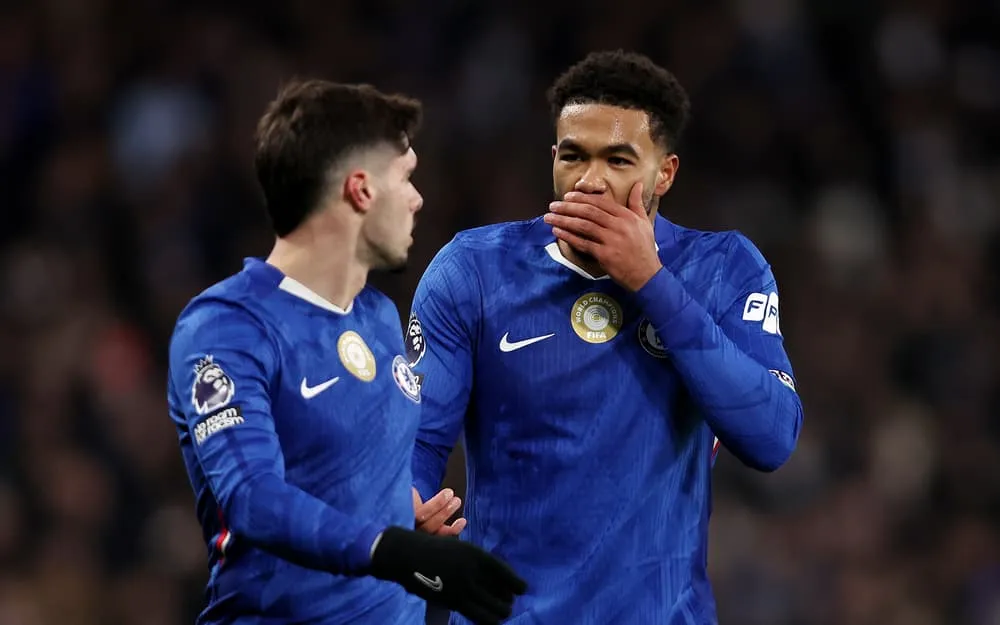
Pressure is nothing new at Chelsea, but the scrutiny surrounding head coach Enzo Maresca has intensified for reasons that extend beyond the league table. At the end of November, the club appeared to be moving in the right direction. Chelsea were sitting third in the Premier League and had delivered an emphatic Champions League performance at Stamford Bridge that suggested growing confidence and cohesion.
By the end of December, that optimism had faded. A run of just one league win during the month exposed familiar fragilities. Yet results alone do not explain why Maresca now finds himself under mounting pressure.
A Sharp Shift in Momentum
Chelsea’s downturn was abrupt. After promising performances earlier in the season, December brought inconsistency, missed opportunities, and a sense of drift. Injuries and squad rotation played a role, but the underlying concern has been the lack of clear progression during difficult moments.
For a club with Chelsea’s expectations, a single league victory in a month is enough to raise alarm bells. However, the mood around Maresca hardened not simply because of dropped points, but because of what followed them.
Comments That Raised Eyebrows
After a rare bright spot in December, a 2-0 home win over Everton, Maresca made remarks that surprised both supporters and those inside the club. He spoke of having endured his “worst 48 hours” since arriving at Chelsea, adding that “many people” were responsible.
Those comments immediately drew attention. Rather than reinforcing unity after a much needed win, they hinted at internal frustration. Within a club already sensitive to instability, such public remarks were seen by some as unnecessary and poorly timed.
Strains With the Club Hierarchy
Behind the scenes, reports suggest that Maresca’s relationship with Chelsea’s hierarchy has become more complex. While there is no indication of open conflict, potential fissures have begun to emerge around communication, expectations, and authority.
Chelsea’s ownership and executive structure is heavily involved in long term planning, recruitment strategy, and performance metrics. Managers are expected not only to deliver results but to align closely with the club’s broader vision. Any perception of disconnect quickly becomes an issue, regardless of league position.
Chelsea’s Context Makes Patience Harder
Managing Chelsea comes with a unique set of pressures. The club has invested heavily and reshaped its squad in recent seasons. Progress is expected to be visible, even if trophies are not immediate.
That context means Maresca is judged not just on wins and losses, but on control, messaging, and internal harmony. When performances dip, leadership style comes under the microscope. His December comments created a narrative that problems may exist beyond the pitch.
Comparisons and Expectations
Chelsea’s recent history adds another layer. Frequent managerial changes have made supporters and executives sensitive to warning signs. Even minor public disagreements or ambiguous statements can be interpreted as early indicators of deeper issues.
At the same time, the club’s earlier success this season has raised expectations. Strong performances, including a dominant European display against Barcelona, made the December slump feel more alarming than it might have otherwise.
Results Versus Authority
While football remains a results driven business, authority and alignment matter just as much at elite clubs. Maresca’s tactical ideas and long term vision are not necessarily being questioned in isolation. What concerns decision makers is whether those ideas are being delivered within a stable and unified structure.
Public expressions of frustration, even if justified internally, risk undermining that perception. At Chelsea, perception often shapes reality.
Why the Pressure Will Continue
Maresca’s position is not yet under immediate threat, but the margin for error has narrowed. January and February will be crucial not only for points, but for restoring clarity and cohesion. Strong results may quiet the noise, but improved communication and visible unity will be just as important.
At Chelsea, pressure rarely comes from one source alone. In Maresca’s case, it is the combination of uneven results, internal signals, and the club’s unforgiving environment that explains why he now finds himself under such intense scrutiny.