News
Trump Says US May Keep or Sell Oil Seized From Venezuela

The United States will keep or potentially sell crude oil seized from tankers off the coast of Venezuela, according to comments by President Donald Trump, as Washington continues its campaign of economic and political pressure against the South American nation’s leadership.
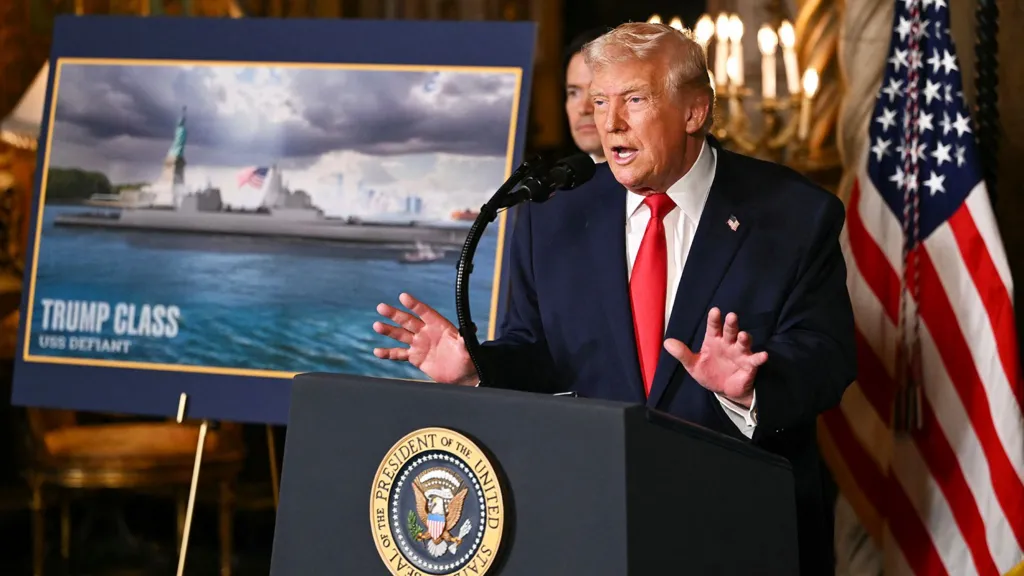
Speaking to reporters in Florida on Monday, Donald Trump said the oil contained on the seized vessels would remain under US control. He added that the administration was also holding on to the ships themselves. Trump suggested several possible outcomes for the oil, including selling it on the market or placing it into the country’s Strategic Petroleum Reserve, underscoring a flexible approach driven by US interests.
The remarks come amid ongoing efforts by Washington to isolate the government of Nicolás Maduro. The US has long accused Maduro’s administration of corruption, human rights abuses, and undermining democratic institutions. Oil, Venezuela’s main source of revenue, has been a central focus of US sanctions and enforcement actions.
US officials argue that revenue generated from Venezuelan oil exports has been used to fund criminal networks, including drug trafficking operations. The Trump administration has previously linked state controlled oil activities to organised crime, framing seizures as part of broader law enforcement and national security measures rather than purely economic actions.
Venezuela, however, has strongly rejected those claims. Authorities in Caracas have condemned the seizures as illegal and have described them as acts of piracy. Venezuelan officials argue that the oil belongs to the state and that the US has no legal right to confiscate it, accusing Washington of economic aggression designed to strangle the country’s economy.
The seizure of oil tankers has added to already strained relations between the two countries. For years, US sanctions have limited Venezuela’s ability to export crude, contributing to a deep economic crisis marked by shortages, inflation, and mass emigration. While Washington says sanctions are intended to pressure political change, critics argue they have worsened conditions for ordinary Venezuelans.
Trump’s suggestion that the oil could be used for US strategic reserves has also drawn attention. The Strategic Petroleum Reserve is designed to protect the United States against severe supply disruptions. Using seized foreign oil for that purpose would be highly unusual and could raise legal and diplomatic questions, though no immediate plans were outlined.
Energy analysts say selling the oil could generate significant revenue, depending on quality and market conditions, but note that moving seized crude into commercial channels can be complex due to ownership disputes and sanctions compliance. Holding the oil, on the other hand, allows Washington to maintain leverage over Caracas while keeping options open.
The comments signal that the US intends to continue using economic tools to influence political outcomes in Venezuela. While the immediate fate of the seized oil remains uncertain, the episode highlights how energy resources remain deeply intertwined with geopolitics.
As tensions persist, both sides show little sign of backing down. For the United States, control over the seized tankers is another pressure point. For Venezuela, the episode reinforces claims of external interference. The outcome will likely depend on broader political developments rather than decisions over the oil alone.