Politics
Andy Burnham in the No 10 Influencer Row Fallout
Andy Burnham’s role in UK politics is underlined by mayoral policy and Labour strategy, now tested by the No 10 influencer TikTok dispute.

Andy Burnham’s Influence and Profile
Burnham’s role in UK politics is shaped by his position as Mayor of Greater Manchester, his previous roles in Westminster, and speculation about his place in Labour’s national future. In 2024 and 2025, he has been prominent in debates about devolution, city region powers, public services, and how Labour communicates beyond London. This broader context matters as the recent row about an influencer video connected to Number 10 has been used by opponents and allies to make arguments about political tone and standards. While the immediate dispute is about a short-form clip, the reaction taps into larger questions about how senior figures build visibility, manage message discipline, and balance seriousness with reach.
No 10 Influencer Video Row: What Happened?
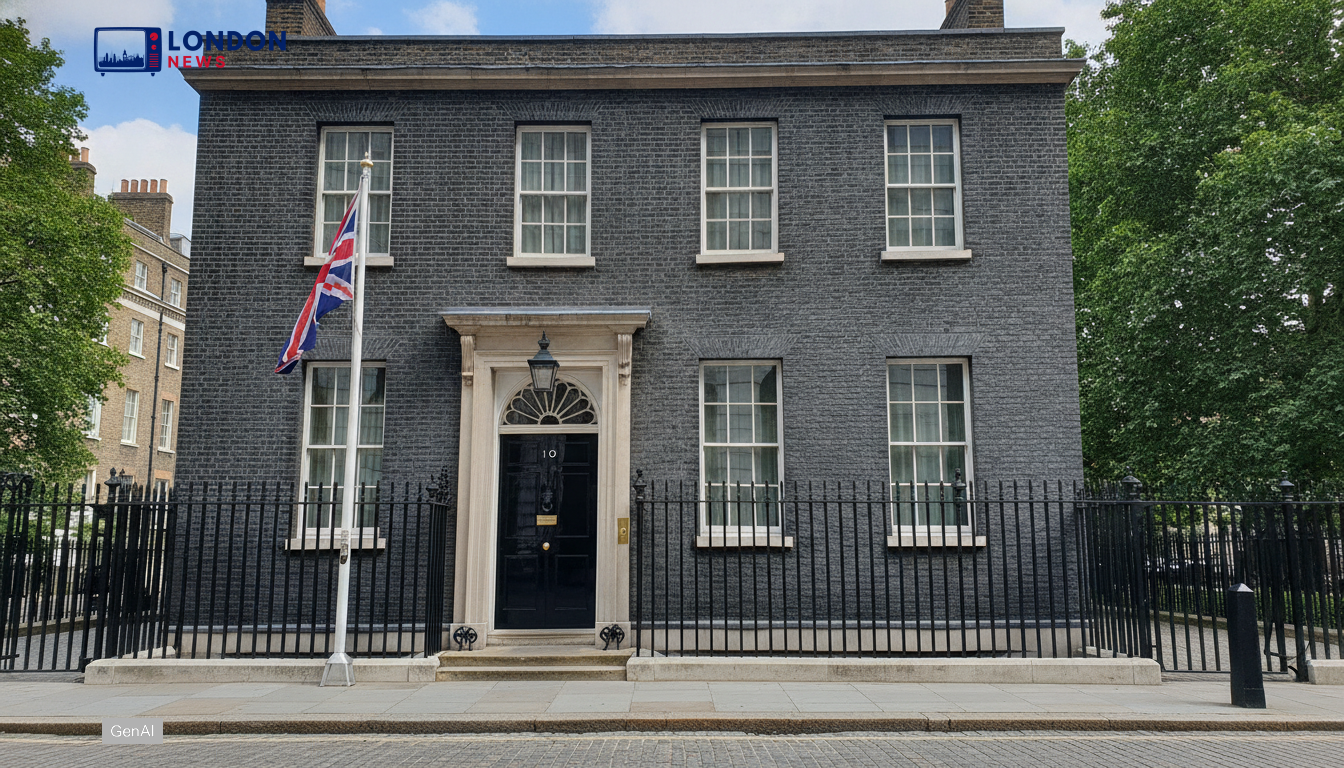
The controversy centres on a TikTok-style skit that circulated widely online, with Conservative MPs criticising what they described as a cheapening of official settings and demanding clarity on permissions. Reuters reported the Conservatives called the episode a “joke” and pressed for answers on who signed off access and what guidance was followed. For comparison on how public institutions plan access and movement at major events, see Lisbon Metro boosts capacity for Web Summit 2026 rush. The focus of the criticism has been the association with Number 10 and the implied endorsement that comes with filming linked to the machinery of government communications. The key practical question in Westminster is whether creator rules are consistent across departments and political cycles.
Reactions and UK Political Context
Senior Conservatives used broadcast interviews to frame the episode as symptomatic of a leadership culture they argue favours performance over substance, while Labour figures defended digital-first communication as essential to reaching voters who do not follow traditional media. This debate quickly broadened into familiar themes: standards in public life, the blurred line between campaigning and governing, and whether official premises should ever be used as a content backdrop. In related discussions about platforms and accountability, MPs and aides have cited examples such as Russell Brand YouTube removal row faces UK pressure when arguing that online reach can amplify scrutiny as much as it builds support. Commentators also pointed to the reputational risks that come when online clips travel faster than formal statements.
Implications for Burnham’s Image and Labour’s Strategy
Burnham’s allies argue the backlash is about gatekeeping and that political communication now requires meeting voters where they are, particularly younger audiences. Critics respond that the central issue is not “having a TikTok presence” but whether official spaces, branding, or proximity to Number 10 confer authority on content designed to entertain. Supporters use his record on local leadership to argue he can modernise engagement, while opponents use the row to question judgement and seriousness. The dispute also lands amid wider Labour debates about discipline, message control, and what standards should apply when political figures use influencer formats alongside formal policy messaging. According to available reports, this adds another layer to the ongoing dialogue.
Consequences for UK Government Communications
The episode is likely to accelerate internal conversations about filming permissions, creator access, and whether a single cross-government rulebook for short-form video is needed. Communications teams already juggle transparency, security, and propriety, and this case shows how a clip can become a proxy battle about competence and trust. The House of Commons Library has briefed on information and influence risks, including Russia’s hybrid warfare campaign in Europe, which some MPs reference when arguing for tighter standards around official channels and perceived endorsements. If guidance is tightened, it could affect politicians, civil servants, journalists, and third-party creators who film around government institutions, raising the bar for approval, transparency, and accountability in political content.