Trending
Motor Neurone Disease: William backs Sinfield run
Motor Neurone Disease guide with symptoms, diagnosis, care and support in the UK, plus how Prince William backed Kevin Sinfield’s 2024 charity run.

Motor Neurone Disease: what’s it all about?
Kicking it off with Motor Neurone Disease (MND), it’s painted as a progressive nightmare by UK health charities. Imagine your motor neurones throwing in the towel, making everyday tasks feel like scaling Everest. Brits catch wind of this through national fundraising buzz and those royal shindigs. Sure, a royal cameo shines a spotlight, but it’s the everyday grind for those dealing with MND in the UK that matters. We’re talking about snazzy clinics, must-have gear, and a bit of financial backup. Charities and the NHS chip in with some practical help, and families often say that timely tips and coordinated care make a big difference.
Spotting the signs: What to look for
Symptoms are sneaky, folks. NHS and charity leaflets tell tales of wobbly hands or feet, cramps, twitching, and the odd bit of stiffness. And beware the slurred speech, tricky swallowing, and feeling puffed. As progress varies, experts dive in with assessments to check off other options, with regular check-ins over time. Chat around the nation goes on about funding woes and long waits, echoing BBC’s talk on care funding. Many find themselves heading to the neuro squad, then onto an MND clinic for a tailored mix of therapies.
Daily life with MND: What’s in your toolkit?
Maintaining independence is the name of the game. Whether it’s mobility gadgets or nifty communication tools, UK MND services aim to keep people comfy. Think home tweaks and respiratory aids like non-invasive ventilation. The unpaid carers are crying out for backup with benefits, work tweaks, and respite options. Charities are there to lend a hand, offering grants, kit loans, and local groups. Fundraising often links to the cost of special kit and responsive services. For another look at funding hiccups affecting public services, check out BBC closures. Supporters often weigh cost pressures when thinking about donations, much like BBC’s scoop on energy bills.
Get involved: Lend a hand
Keen to help? There are ways aplenty: donate to top MND charities, join local runs, tackle workplace challenges, or spread the word to push for earlier checks. Volunteering with community groups, giving lifts, or helping with admin also makes a splash. Some folks are organising nifty 5Ks in London parks. Employers can chip in with matched giving or volunteering days, while regular donations help keep services ticking over. Community events are not just fun—they’re a chance for families to meet others, share stories, and learn about local resources.
Putting the spotlight on MND: The Sinfield run
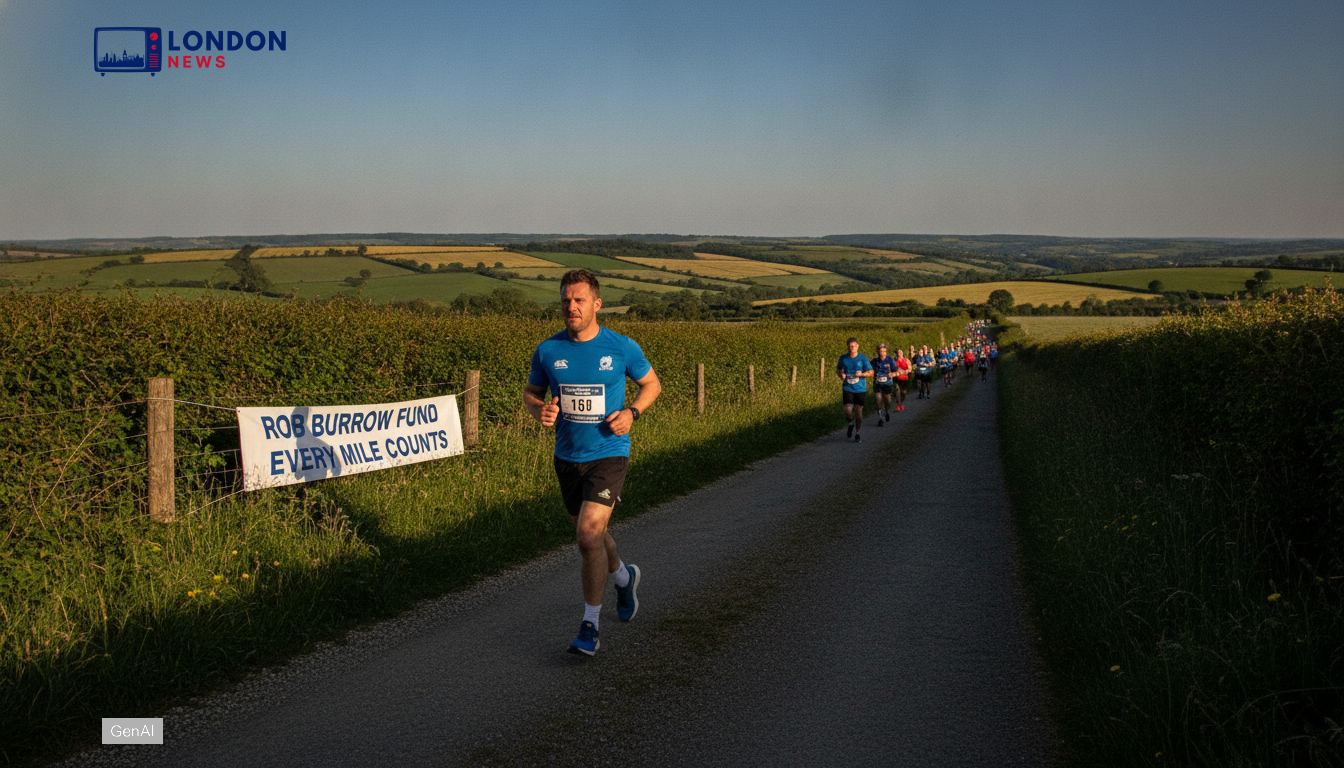
Media whisperings suggest the royal duo, Prince William and Catherine, popped up at Kevin Sinfield’s charity run. They chatted with volunteers and families, keeping the fundraising vibe alive for MND. Organisers reckon the event went smoothly, with marshals, bobbies, and hydration sorted. Donations flowed in across the route. Mind you, events vary by location and details often firm up after. National coverage keeps reminding us how funding wrinkles affect care choices, as seen in BBC’s take on pensions. Sinfield’s events are quite the show, turning sports and public interest into regular giving. Organisers say totals will be ironed out soon, and future plans aim to keep MND awareness humming along.