News
Travel trends 2026: Istanbul edges Heathrow for top spot
Istanbul is being highlighted by some industry trackers as edging Heathrow in Europe’s busiest-airport race, shaping travel trends 2026 as airlines weigh slots, routes, and revenue in London.

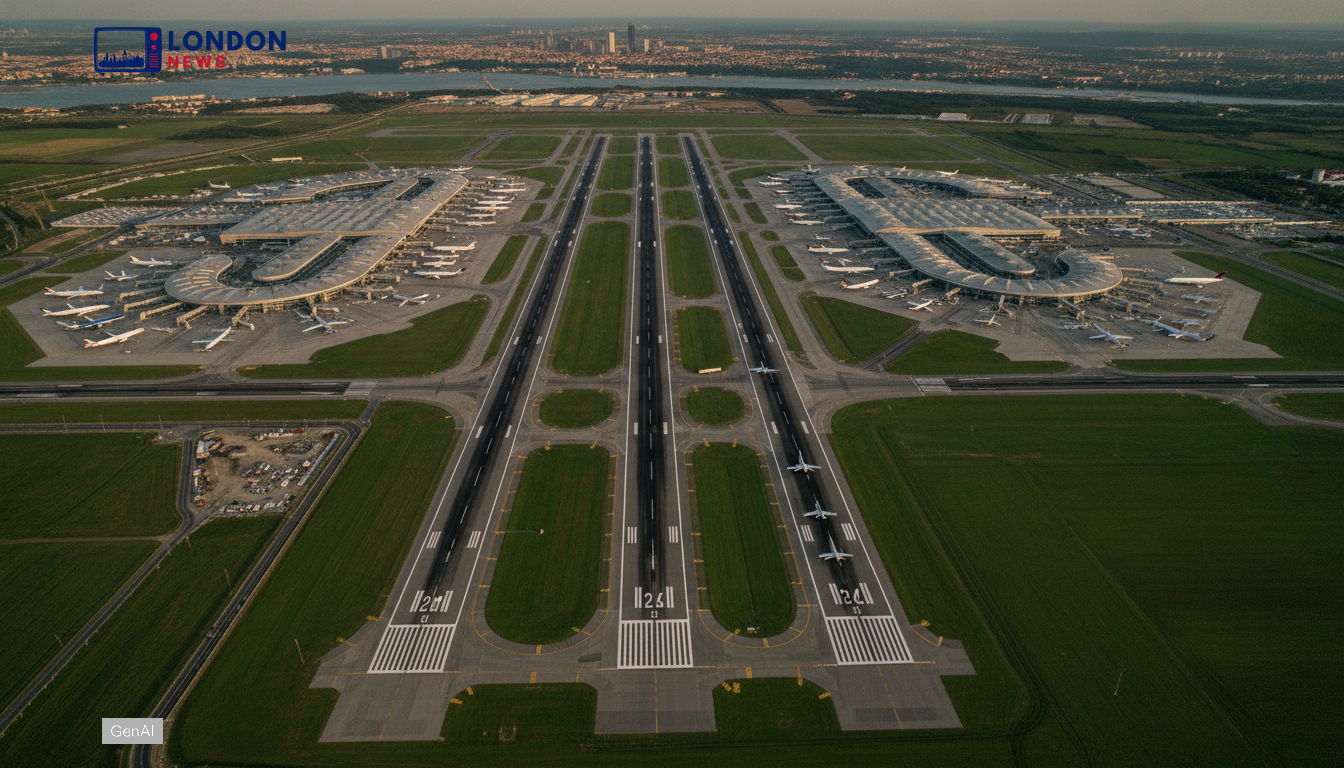
Travel trends 2026: Istanbul leads Europe’s airport rankings
Some aviation rankings and traffic trackers have reported that Istanbul has moved ahead of London Heathrow in the race to be Europe’s busiest airport, although the outcome can vary by methodology (passengers vs movements, and the period measured). Airlines appear to be adjusting in schedules and marketing, based on carrier network updates and published timetables. Analysts discussing travel trends 2026 have described the shift as long-haul demand leaning toward airports that can add gates and turnaround capacity faster, though this depends on route economics and bilateral constraints. Air carriers note Istanbul’s position as a hub between Europe, Asia, and the Gulf, which can support connecting flows. For London, the immediate risk is competitive pressure to defend premium business routes and retain transfer passengers within the UK network.
Heathrow capacity limits reshape 2026 travel demand
Heathrow remains one of the world’s best connected airports, reflected in multiple industry connectivity rankings, but its position is seen as constrained by limited runway capacity and peak-hour slot availability. Heathrow has said it operates with two runways and has limited ability to add slots at peak times, which can make schedule growth difficult even when demand is strong. A parallel story in European transport finance is investor focus on infrastructure resilience, echoed in NFT investments in 2026: Smarter bets, real risks as capital shifts toward assets seen as more future proof, and those limits are part of the broader travel trends 2026 discussion because airlines often prefer hubs where they can scale frequencies and protect banked connections, an advantage that depends on the airport’s ability to accommodate additional movements.
London economic impacts from shifting connections
For London, the potential loss of top billing is less about prestige and more about how traffic flows support jobs, trade, and inward investment, according to the way airports and business groups typically frame the issue. Heathrow is a major freight gateway, and the airport has argued in public statements that belly-hold cargo capacity is linked to the breadth of long-haul passenger routes. If more connections are routed via other hubs, some higher-yield traffic that supports frequent services can also shift, although the scale varies by sector and airline strategy. Within travel trends 2026, some corporate travel managers say they group meetings around hubs with reliable onward connections, which can influence hotel occupancy and conference bookings at the margin, as in Portugal’s Electric Dream: Massive €1.58bn Grid Boost. Read also.
Why Istanbul can grow faster than Heathrow
Istanbul’s advantage is often presented as geography plus headroom for growth at a large, modern site that was built to expand in phases, according to airport-operator communications and airline announcements about adding services. Operator statements and carrier network updates have highlighted shorter minimum connection times and terminal layouts designed for high throughput, aligning with 2026 travel trends that prioritize passenger flow and automated processing, though actual connection performance depends on staffing and operations on the day. In this environment, Istanbul airport is marketed as a single hub where airlines can consolidate transfer passengers without splitting operations across multiple terminals. Coverage in the New York Times has highlighted how Turkey is using aviation links to support tourism and trade, which proponents say strengthens the case for more frequencies.
What comes next for Heathrow and UK routes
Heathrow’s response is likely to depend on whether it can secure policy support for added capacity and whether airlines see enough operational improvement to prioritise London again, as industry commentators frequently note, particularly around peak-time slots on the airport’s two-runway layout. The airport has said it is investing in passenger experience and resilience measures, but the core question remains the availability of peak-time slots that airlines value most. Observers tracking travel trends 2026 expect a split in strategy where constrained airports focus more on yield and premium services while faster-growing hubs target volume and connectivity, though outcomes will differ by airline. Weather volatility is also becoming a planning variable, and the BBC report on the Met Office summer heat outlook shows why disruption risk is being priced into timetables, with UK heat record 2026: Met Office warns summer risk and Thames Water signing bonus row over £1m finance fee also in view. Related.