Tech
X Faces Threat to Self Regulation as UK Moves to Tighten Online Safety Laws

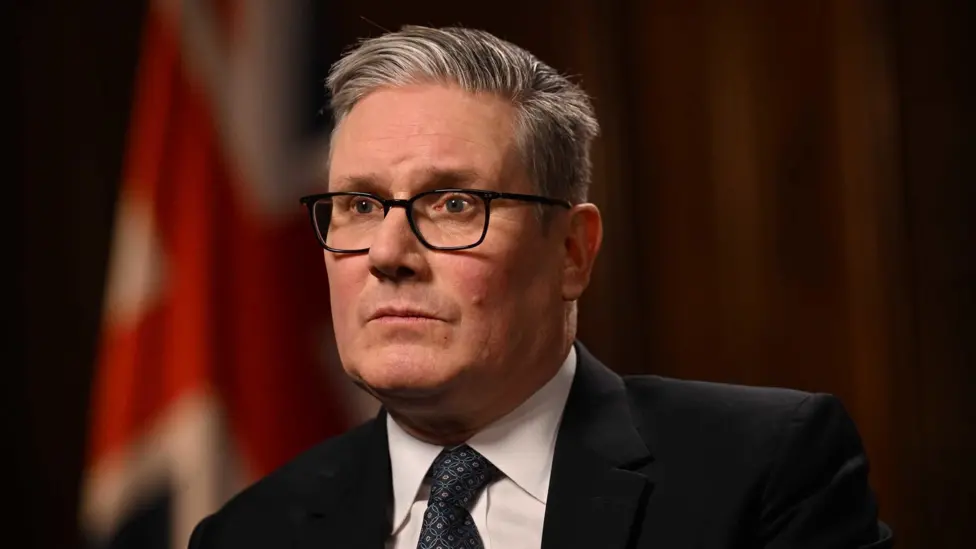
Government signals tougher stance on platform accountability
The UK government has signaled a sharp escalation in its approach to regulating online platforms, warning that X could lose its ability to self regulate if it fails to control harmful content generated by artificial intelligence. Speaking to Labour MPs, Keir Starmer made clear that patience is wearing thin when it comes to tech companies policing themselves. His comments follow growing public concern over the misuse of AI tools on social media platforms.
New law targets non consensual intimate images
At the center of the government’s response is new legislation that will make it illegal to create non consensual intimate images. The law is expected to be brought into force rapidly, reflecting the seriousness with which ministers view the issue. Advances in generative AI have made it easier to create realistic fake images, raising fears about harassment abuse and the long term psychological harm to victims. The government sees legal clarity as essential to closing gaps that technology has outpaced.
Grok AI raises alarm in Westminster
Attention has focused on Grok, an AI chatbot linked to X that has drawn criticism for generating problematic content. Concerns over Grok have intensified debates about whether platforms are adequately supervising the tools they deploy. Critics argue that rapid innovation without sufficient safeguards has created an environment where harmful material can spread faster than regulators can respond.
Starmer’s warning to X
Starmer’s message to X was direct. If the platform cannot demonstrate effective control over AI driven content, the government is prepared to intervene. His warning that X could lose the right to self regulate signals a shift from cooperative oversight toward more assertive enforcement. This represents a significant moment in the UK’s evolving approach to digital governance.
The role of Elon Musk and platform culture
Since being acquired by Elon Musk, X has positioned itself as a champion of minimal moderation and maximal free expression. Supporters argue this approach protects open debate, while critics say it creates space for abuse and misinformation. The Grok controversy has intensified scrutiny of whether this philosophy can coexist with emerging AI technologies that amplify risks at scale.
Self regulation under pressure
Self regulation has long been the preferred model for governing online platforms, based on the assumption that companies understand their systems better than lawmakers. However repeated incidents involving harmful content have eroded confidence in this approach. Starmer’s comments reflect a growing belief that voluntary safeguards are insufficient when platforms wield enormous influence over public discourse.
What losing self regulation could mean
If X were to lose its ability to self regulate in the UK it could face stricter oversight penalties and content controls imposed by law. This could include mandatory standards for AI deployment faster takedown requirements and greater transparency around how content is generated and moderated. Such measures would mark a significant tightening of the regulatory environment for tech firms operating in Britain.
A broader shift in tech regulation
The confrontation with X is part of a wider international trend toward tougher regulation of technology companies. Governments are increasingly unwilling to rely on assurances alone as AI systems become more powerful and pervasive. The UK’s move positions it among countries seeking to reassert democratic control over digital platforms.
A test case for AI governance
How X responds to this challenge may shape future policy. Effective action could preserve a degree of autonomy, while failure may accelerate government intervention. The situation highlights a central question of the digital age: who bears responsibility when powerful technologies cause harm. The answer now appears to be shifting decisively toward the state.