
Tech
Would You Let AI Plan Your Next Holiday

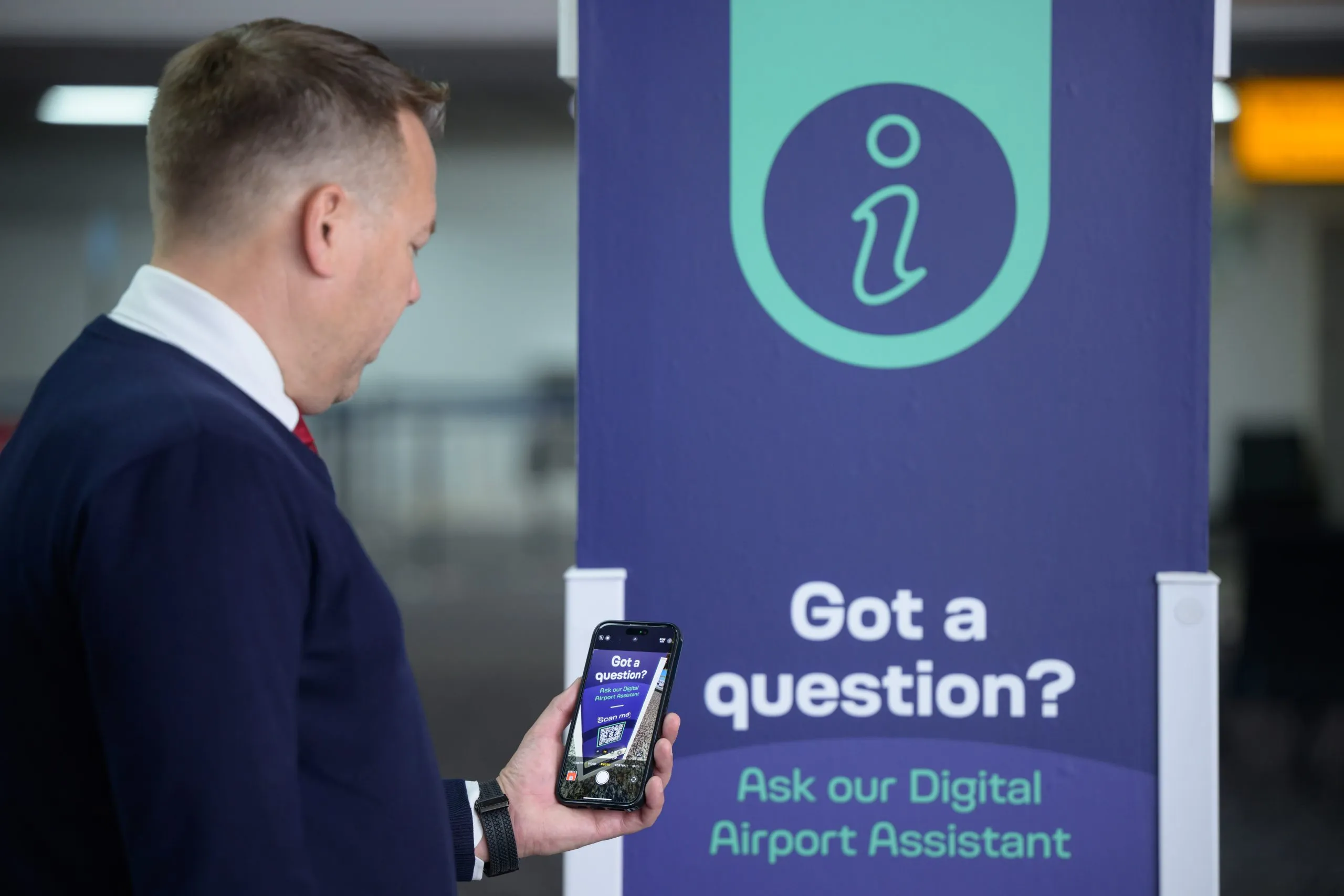
The rise of AI as a travel companion
Planning a holiday has traditionally involved guidebooks, travel agents, and hours of online research. Increasingly, artificial intelligence is stepping into that role. From generating full itineraries to suggesting hotels, flights, restaurants and local experiences, AI powered tools are changing how people approach travel planning. What once required multiple tabs and careful comparison can now be done through a single prompt.
AI travel planners analyze vast amounts of data, including prices, reviews, seasonal trends and user preferences. For busy travellers, this promises efficiency and convenience. Instead of starting from scratch, users can receive a tailored plan in seconds, often adjusted in real time based on budget or interests.
Why travellers are turning to AI
One of the strongest appeals of AI planning is personalization. Travellers can specify whether they want relaxation, adventure, culture or food focused trips, and AI systems respond with curated suggestions. For those overwhelmed by choice, this feels like having a digital travel assistant that never tires.
Cost is another factor. AI tools can quickly compare flight prices, accommodation options and travel times, sometimes spotting combinations humans might miss. In an era of rising travel costs, even small savings can influence decisions. AI can also flag cheaper travel dates or alternative destinations offering similar experiences.
Where AI still falls short
Despite its strengths, AI planning has clear limitations. Travel is deeply human, shaped by emotion, spontaneity and personal memory. AI relies on existing data and patterns, which means it often favors popular destinations and well reviewed spots. This can lead to generic itineraries that lack surprise or local nuance.
Cultural sensitivity is another challenge. While AI can summarize customs and etiquette, it may miss subtle social cues or rapidly changing local conditions. It also cannot fully account for the feeling of a place, something many travellers value more than efficiency.
There is also the issue of trust. AI recommendations depend on data sources that may include biased reviews, sponsored content or outdated information. Without transparency, users may not know why certain options are prioritized over others.
How the travel industry is adapting
Hotels, airlines and tourism boards are paying close attention. Many are integrating AI chatbots and planning tools directly into their platforms, aiming to keep customers within their ecosystems. Travel agencies are also experimenting with AI assisted planning, blending automation with human expertise rather than replacing it entirely.
For professionals, AI is becoming a support tool rather than a competitor. It handles repetitive research while humans focus on complex requests and emotional reassurance, particularly for high value or long haul trips.
What travellers should consider before handing over control
Letting AI plan a holiday does not mean giving up control entirely. The most effective approach is often collaborative. Travellers can use AI to generate a starting framework, then refine it based on personal taste, local advice or instinct.
Privacy is another consideration. AI planners require access to preferences, location data and sometimes financial information. Understanding how that data is stored and used is essential before relying too heavily on automated systems.
The future of AI planned travel
AI will almost certainly play a larger role in how holidays are planned, especially as tools become more conversational and context aware. However, it is unlikely to replace human judgment completely. Travel remains one of the most personal forms of spending, tied closely to identity, emotion and memory.
AI can make planning easier and faster, but the final decision still rests with the traveller. The question is not whether AI can plan your next holiday, but how much of the journey you are willing to delegate to it.



