Trending
Why UK Facilities Need to Update Lightning Risk Analyses in 2026

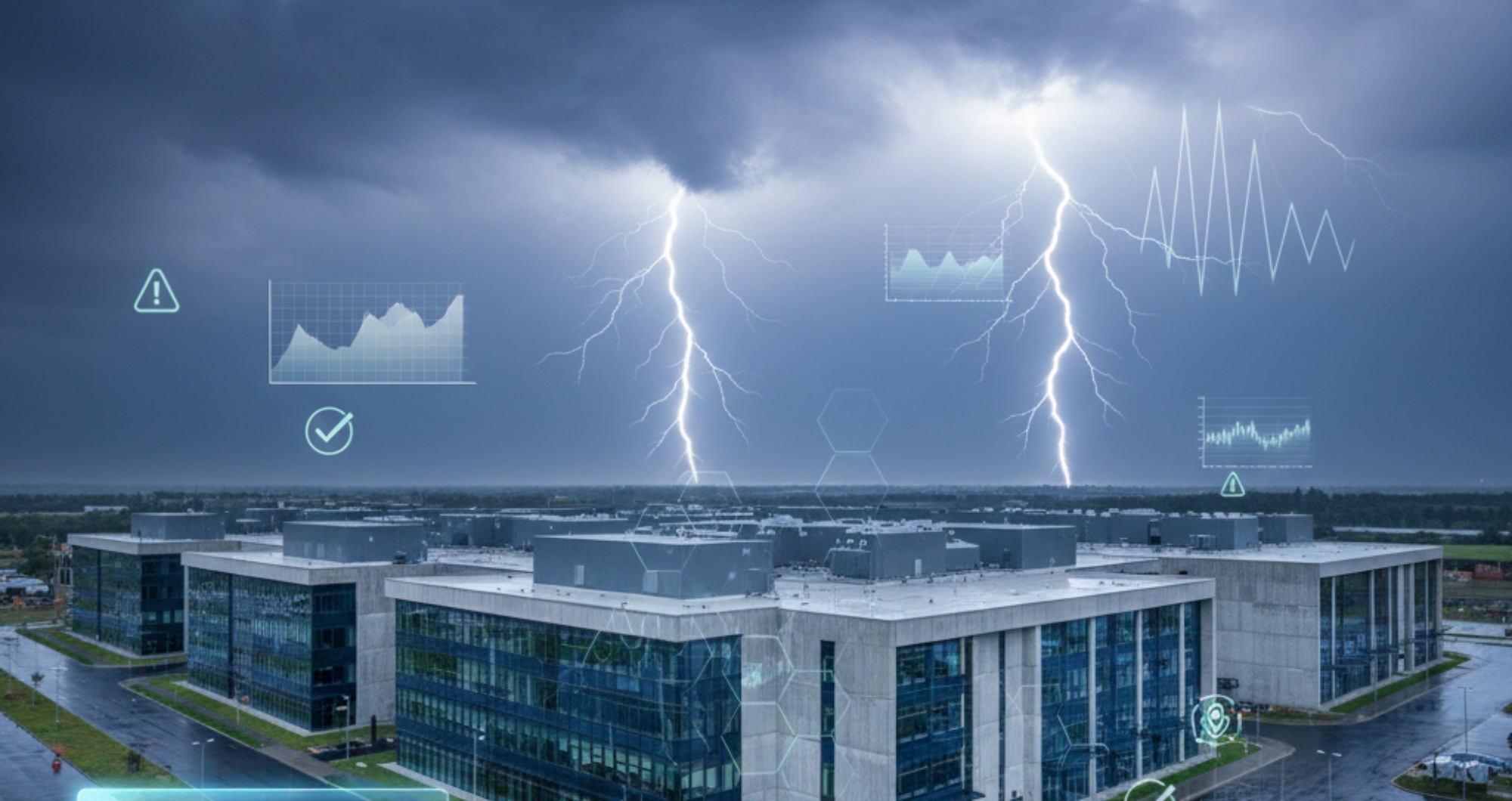
As climate patterns evolve and urban infrastructure expands, UK facilities are being urged to update their lightning risk analyses in 2026. Lightning strikes, while often rare, can cause significant damage to buildings, electrical systems, and critical operations, making updated assessments essential for safety and compliance.
Modern lightning risk assessments go beyond simply evaluating the likelihood of a strike. They consider factors such as building height, surrounding structures, nearby vegetation, and the presence of sensitive equipment. Facilities housing electrical systems, data centres, and manufacturing plants are particularly vulnerable, as lightning-induced surges can lead to costly downtime or even permanent equipment damage.
In 2026, updated assessments are increasingly necessary due to several emerging factors. Changing climate conditions are affecting lightning frequency and intensity across the UK, potentially increasing risk in areas previously considered low-threat. Additionally, evolving building designs and urban density can create new pathways for lightning strikes, requiring re-evaluation of existing protective measures such as lightning rods, surge protection, and grounding systems.
Regulatory and insurance requirements also play a critical role. Insurers are placing greater emphasis on current lightning risk assessments when determining coverage or premiums. Facilities with outdated analyses may face higher insurance costs or non-compliance issues. Similarly, industry standards for health and safety recommend that lightning protection measures are regularly reviewed and updated in line with the latest guidelines and technological advancements.
Updating lightning risk analyses also provides an opportunity to integrate modern mitigation technologies. Advanced monitoring systems, improved surge protection devices, and better grounding solutions can all be considered during the reassessment process. These measures not only protect property but also ensure continuity of operations and the safety of staff and visitors.
In summary, UK facilities in 2026 should prioritise updating their lightning risk analyses to address changing environmental conditions, ensure compliance with regulations, reduce insurance risks, and implement modern protective technologies. Regular reviews are an essential part of proactive risk management, helping organisations safeguard assets and maintain operational resilience.