Politics
Why Fax Machines Still Linger in Parts of the NHS Despite a Digital Push

A surprising admission in a digital age
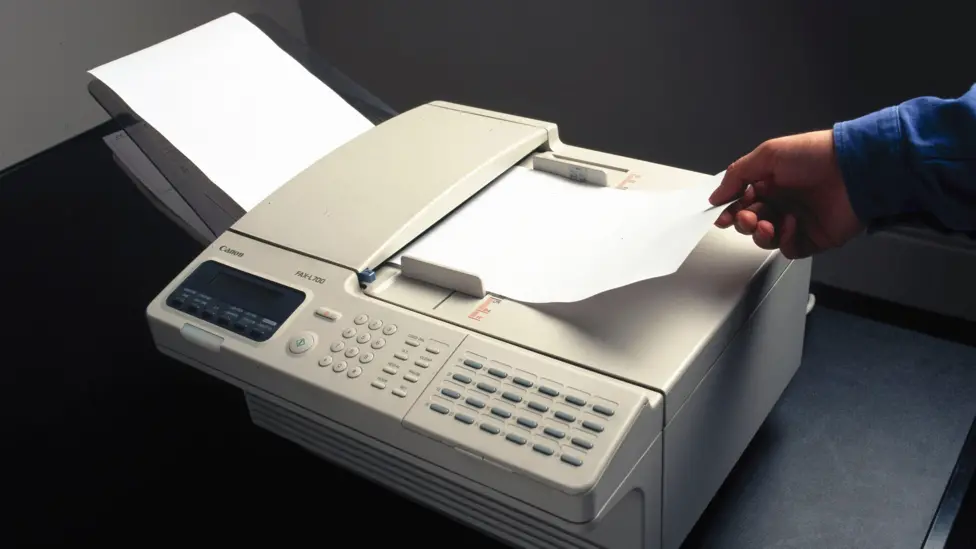
Nearly two centuries after the first fax technology emerged, it has been confirmed that three NHS trusts in England are still using fax machines as part of their everyday operations. The revelation came from Wes Streeting, who has publicly committed to removing outdated technology from the health service. While the number has dropped dramatically, the continued use of fax machines highlights the deeper challenges facing digital transformation within the NHS.
The promise to eliminate fax machines
Streeting made phasing out fax machines a personal mission after pledging in late 2024 to remove them from the NHS within a year. At the time, fax machines were widely seen as symbols of inefficiency and outdated bureaucracy in healthcare. Returning with an update, Streeting confirmed that out of 205 NHS trusts, only three still rely on fax machines for routine use. These are based in Leeds, Birmingham, and Shrewsbury and Telford.
Why fax machines became entrenched in healthcare
Fax machines were historically adopted in healthcare because they offered a simple way to transmit written information quickly and securely. Long before digital records were standard, faxing test results and referrals was considered reliable and compliant with confidentiality requirements. Over time, however, what was once practical became a barrier to efficiency as digital alternatives advanced. The persistence of fax technology reflects how deeply embedded legacy systems can become in large public institutions.
The digital divide within the NHS
The fact that only three trusts remain reliant on fax machines is progress, but it also exposes uneven digital adoption across the NHS. Some trusts have successfully moved to fully integrated electronic patient record systems, while others continue to struggle with outdated infrastructure and limited budgets. Digital transformation requires more than policy announcements. It depends on funding staff training and compatibility between systems that were built decades apart.
Risks and limitations of outdated technology
Continuing to use fax machines in modern healthcare carries real risks. Paper based communication increases the chance of lost or delayed information and makes it harder to maintain clear audit trails. In an environment where speed accuracy and coordination are critical, reliance on outdated tools can affect patient safety. These risks are one reason why eliminating fax machines has become a symbolic goal in wider NHS reform.
Progress despite persistent obstacles
Streeting’s update suggests that the NHS is closer than ever to fully retiring fax technology. Reducing usage to just three trusts represents a major shift compared with a decade ago. However, the remaining cases demonstrate that digital reform is rarely uniform. Local constraints such as legacy contracts specialist equipment or integration issues can slow progress even when national leadership is aligned.
What this says about NHS digital reform
The fax machine issue is not really about the technology itself but about how change happens in complex systems. The NHS serves millions of patients across thousands of facilities, each with its own operational realities. Modernising such a system requires sustained political will investment and coordination rather than quick fixes. The near elimination of fax machines shows what is possible but also how long change can take.
Looking ahead to a fully digital health service
Streeting has framed the remaining fax machines as unfinished business rather than failure. The expectation is that all routine fax use will be eliminated as trusts complete their transitions to digital systems. If achieved, it would mark a small but meaningful milestone in the NHS journey toward a modern interoperable health service built around digital records and real time communication.