News
Who Signed Off on England’s Australia Tour Must Answer for a Series That Never Lived Up to the Hype

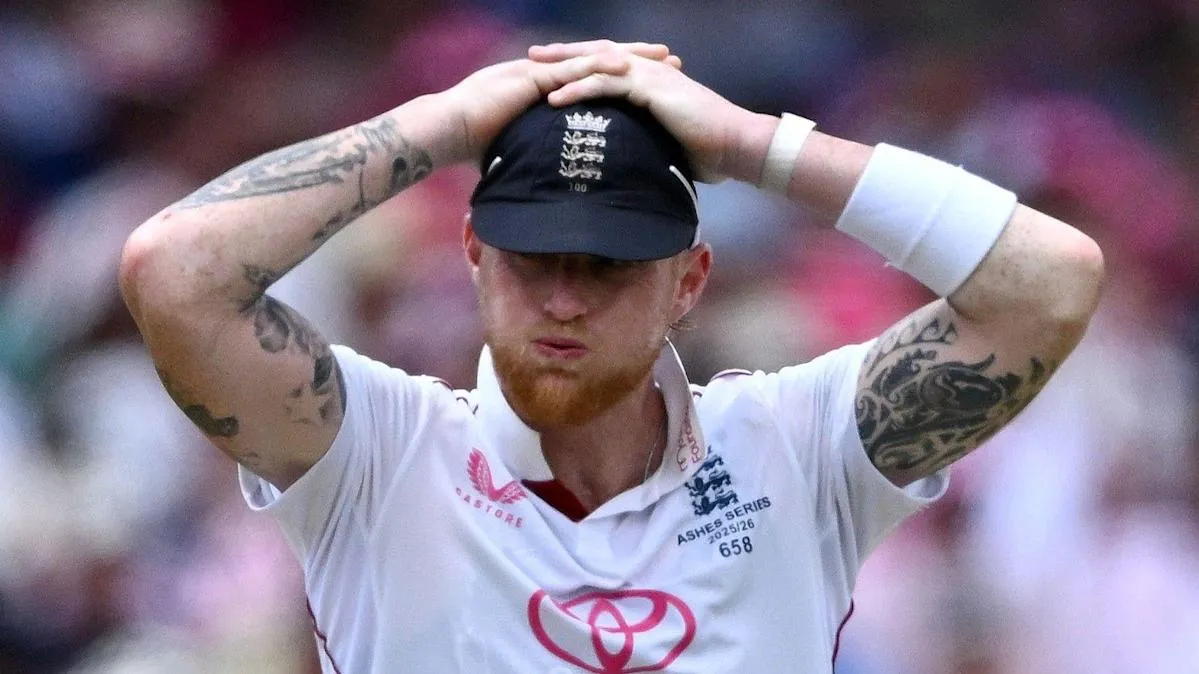
This was meant to be a tour to remember. Instead, it will be remembered for all the wrong reasons. After covering England tours of Australia for a decade, this one stands out as the most disappointing by a clear margin, not because expectations were unrealistic, but because the opportunity was real and repeatedly wasted.
The interest was undeniable. Record crowds turned out across the grounds, confirming once again how deeply the Ashes rivalry resonates. Fans arrived believing this would be a tight, absorbing contest that would stretch deep into the series. Instead, what unfolded was a one sided affair that left England exposed, frustrated and under intense scrutiny yet again.
England effectively faced a depleted Australian side for much of the tour. Injuries and absences meant they were often up against what could reasonably be described as an Australia second XI. Even so, England failed to capitalise. They won four of the five tosses, a significant advantage in Australian conditions, and still contrived to lose the series 4 1, a result sealed by the defeat in Sydney.
The final Test summed up the tour. Promising moments were followed by poor execution, questionable decision making and an inability to apply sustained pressure. England never truly looked in control, even when the match situation offered them a foothold. The fifth Test loss did not feel like an isolated failure but rather the inevitable conclusion of a tour that drifted away almost from the outset.
There is no shortage of explanations, and England’s leadership has not shied away from acknowledging them. Coach Brendon McCullum has already admitted that the team fell short of the standards they set for themselves. That honesty is welcome, but it also raises uncomfortable questions about preparation, planning and selection.
This was not a case of being outplayed by brilliance alone. Too often England undermined themselves. Shot selection bordered on reckless, bowling plans lacked clarity, and there was little evidence of adaptation as the series progressed. When conditions or match situations demanded patience and discipline, England persisted with an approach that repeatedly backfired.
The broader concern is that this pattern feels familiar. Tours end, reviews are promised, lessons are discussed, yet the same issues resurface. The scrutiny now facing English cricket is not just about one poor series result, but about whether the system is learning quickly enough from repeated failures in Australia.
Responsibility does not sit solely with players or coaching staff. Questions must be asked about the decision making at a higher level. Who approved the tour structure, the preparation schedule, and the strategic approach going into such a demanding series? Those choices matter, and this tour suggests they were deeply flawed.
Australia, even below full strength, were sharper, smarter and more resilient. England, by contrast, looked like a team hoping their style alone would carry them through, rather than one prepared to grind out hard Test match wins.
As the tour closes, the disappointment lingers because the potential was there. This did not have to be another chapter of regret. Instead, it has become one more reminder that unless England confront uncomfortable truths about how they prepare for Australia, future tours may end in much the same way.