Latest News
When Everything Is Expensive, Nothing Is Shocking: Living With Permanent Price Pressure

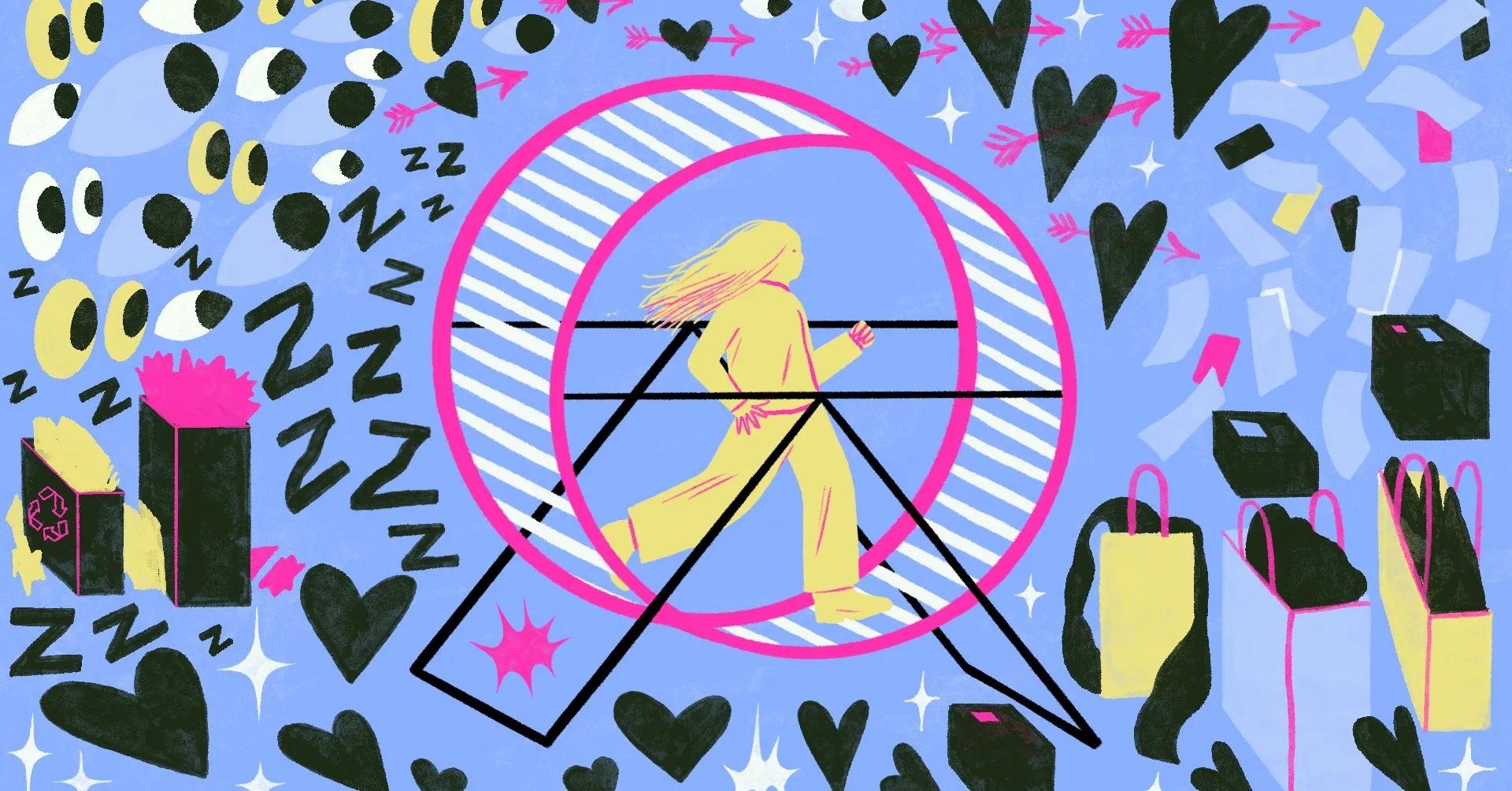
Rising prices have become a defining feature of daily life, reshaping how households understand and respond to economic pressure. From food and fuel to housing and transport, costs have increased steadily over recent years. What is striking is not only the scale of these increases, but the way public reaction has changed. When nearly everything becomes more expensive, the sense of shock that once accompanied inflation begins to fade.
For many households, price rises are no longer experienced as sudden events. They are expected. Weekly shopping bills creep upward, rent renewals arrive with predictable increases, and service charges quietly adjust. These changes no longer provoke surprise, but confirmation of an ongoing trend. Inflation has shifted from a headline grabbing crisis to a background condition.
Economists describe this as adaptation. When pressure persists over time, people recalibrate expectations. Instead of reacting emotionally to each increase, households adjust behaviour. Spending is reprioritised, non essentials are delayed or removed, and long term plans are revised. Inflation becomes something to navigate rather than confront.
This shift is visible across income levels. Higher earners may absorb costs by reducing savings or discretionary spending. Lower income households face harsher trade offs, often cutting back on essentials or relying on credit. Yet across the spectrum, the emotional response has softened. The language of crisis has given way to the language of endurance.
One reason for this change is duration. Short periods of high inflation tend to generate urgency and political pressure. Prolonged periods create fatigue. When warnings and forecasts repeat without clear resolution, attention drifts. People focus on coping mechanisms rather than causes. The question shifts from why prices are rising to how to manage within constraints.
Another factor is visibility. Digital payments and online shopping make price changes constant and incremental. Instead of noticing one large jump, consumers experience many small increases across platforms and subscriptions. This fragmentation dulls impact. Inflation is felt everywhere, but rarely all at once.
Public trust also plays a role. Repeated assurances that inflation is easing or under control often clash with lived experience. When official messages fail to align with daily costs, credibility erodes. As a result, new warnings carry less weight. Price stability becomes something people will believe when they feel it, not when they are told it exists.
This normalisation has consequences. When rising costs stop shocking, the risk is complacency at the institutional level. Structural issues such as housing shortages, weak wage growth and rising energy costs may persist without sustained public pressure. Inflation does not disappear simply because it is expected.
At the same time, the absence of shock does not mean the absence of impact. Household debt levels remain high, savings are strained, and financial insecurity affects mental health and wellbeing. Quiet adaptation can mask significant stress. Just because people stop reacting outwardly does not mean the burden has eased.
Businesses are also adjusting to this environment. Consumers are more price sensitive, less loyal and quicker to change behaviour. Value has replaced brand prestige for many, and companies that fail to recognise this shift risk losing relevance. Pricing strategies now operate in a climate where customers expect increases but resist them more strongly.
Governments face a similar challenge. Inflation remains politically important, but messaging must change. Alarmist language may no longer resonate. Instead, credibility depends on tangible improvements in affordability. Policies that deliver visible relief are more effective than promises of future stability.
Living with permanent price pressure reshapes how societies function. Long term planning becomes harder, expectations narrow and resilience replaces optimism. The danger lies not in panic, but in quiet acceptance of conditions that continue to erode security.
When everything is expensive, nothing feels exceptional anymore. That may reduce anxiety in the short term, but it also risks allowing rising costs to become entrenched. Inflation may no longer shock, but its influence remains constant, shaping decisions, opportunities and outcomes every day.