
Tech
What Future Aerial Dogfights Will Really Look Like

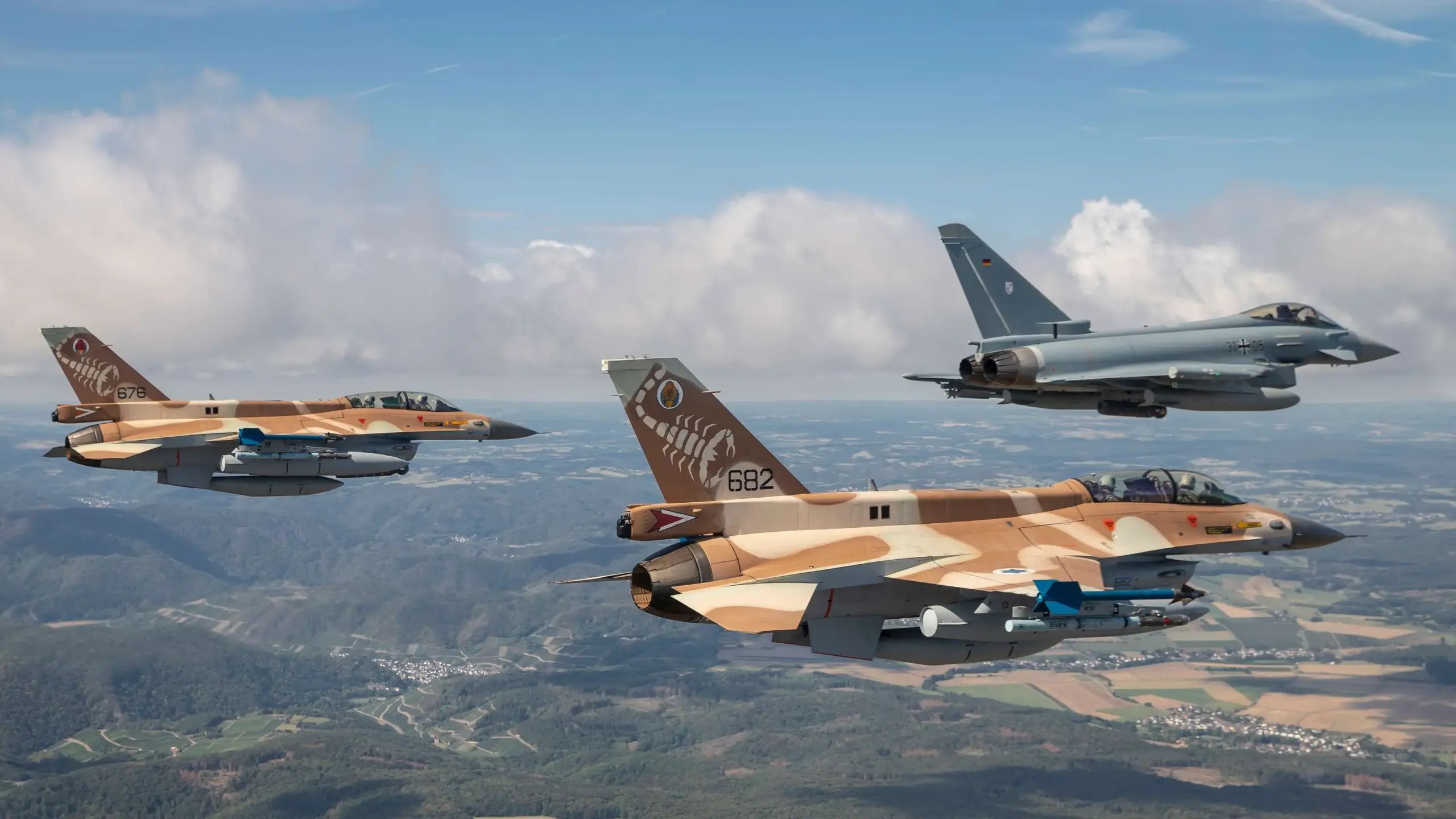
From joystick struggles to digital combat reality
Inside a flight simulator over the Irish Sea, the experience feels intensely real. You are flying a modern fighter jet, pushing the joystick and adjusting the throttle with precision, yet the outcome is unavoidable. A hostile aircraft remains locked behind you, represented on screen as a persistent black triangle. No matter how aggressively you maneuver, it refuses to disappear. Three simulated dogfights end the same way, with a clean defeat that highlights a sobering truth. Air combat is no longer just about pilot skill and sharp turns.
This scenario reflects how future aerial dogfights are evolving. Traditional close range maneuvers, once the defining feature of air combat, are being overtaken by systems that rely on data, sensors and algorithms rather than instinct alone.
The decline of classic dogfighting skills
For decades, aerial combat training focused on visual range engagements. Pilots were taught to out turn, out climb and out think their opponents. While these skills still matter, modern fighter aircraft are increasingly designed to avoid close combat altogether.
Advanced radar, infrared tracking and long range missiles allow engagements to begin far beyond visual range. In many scenarios, the first aircraft detected is the first to be destroyed. This reduces opportunities for dramatic turning battles and places greater emphasis on situational awareness and information dominance.
Why software now matters as much as speed
The black triangle in the simulator is not just an enemy aircraft. It represents a network of sensors, predictive algorithms and automated decision making tools. Modern fighters fuse data from radar, satellites and allied aircraft to build a comprehensive picture of the battlespace.
In future dogfights, software will play a decisive role. Artificial intelligence systems can analyze threats, suggest maneuvers and even control certain defensive actions faster than a human pilot can react. Winning may depend less on physical flying skill and more on how effectively a pilot manages information.
The role of autonomous and unmanned systems
Another major shift is the growing presence of unmanned aircraft. Future air combat is expected to involve manned fighters operating alongside autonomous drones. These drones can scout ahead, absorb enemy fire or launch weapons, reducing risk to human pilots.
In such engagements, the concept of a one on one dogfight becomes outdated. Battles will involve coordinated groups of aircraft acting as interconnected teams. A pilot may be directing multiple assets rather than focusing solely on their own jet.
Training for a different kind of fight
Simulators are becoming central to preparing pilots for this new reality. Rather than rehearsing classic maneuvers, training increasingly focuses on decision making under information overload. Pilots must learn how to interpret complex displays, trust automated systems and know when to override them.
The frustration felt when losing repeatedly to a digital threat reflects this learning curve. It is a reminder that mastering future air combat requires adapting to technology rather than fighting against it.
What aerial combat will look like tomorrow
Future dogfights are likely to be quieter, faster and less visible than those of the past. Missiles may be launched before pilots ever see each other. Engagements may be decided by who controls the data and whose systems integrate more effectively.
While human judgment will remain critical, the era of purely physical aerial duels is fading. The skies of tomorrow will be dominated by networks, automation and artificial intelligence, reshaping not only how battles are fought but what it means to be a fighter pilot.



