
Tech
Welcome to Home Robotics Limbo

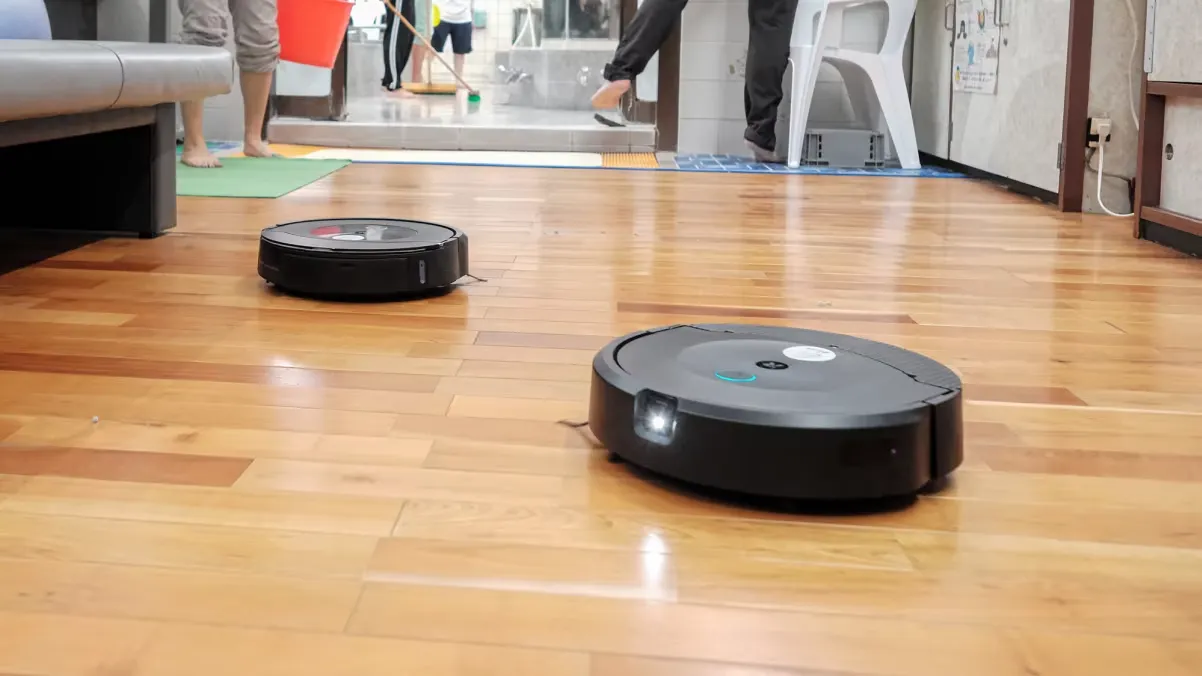
For a brief period, home robots felt like the future had arrived early. Vacuum cleaners that mapped living rooms, avoided furniture and quietly cleaned floors seemed to signal a coming age of intelligent machines woven into everyday life. Yet in 2025, that promise appears stalled. Instead of rapid breakthroughs, the consumer robotics industry finds itself in an uncomfortable middle ground, caught between early innovation and mass adoption.
Tech historians may one day describe this moment as a trough for home robotics. The most familiar example remains the Roomba, once a symbol of cutting edge convenience. When iRobot introduced its autonomous vacuum cleaners in the early 2000s, the devices felt revolutionary. They were among the first consumer robots to achieve mainstream success, proving that people were willing to welcome machines into their homes if the benefit was clear and the technology reliable.
That early success translated into strong growth. By the mid 2010s, iRobot was profitable enough to launch its own venture capital arm, backing new ideas in robotics and artificial intelligence. At the time, the company appeared well positioned to lead a broader wave of home automation, from cleaning to security and beyond.
The following decade, however, proved far more challenging. Competition intensified as manufacturers in China flooded the market with cheaper alternatives. While many of these products lacked the polish of premium brands, they performed well enough to attract cost conscious consumers. Price pressure squeezed margins and made it harder for established players to invest heavily in research and development.
At the same time, consumer expectations evolved faster than the technology. Early adopters were impressed by robots that could navigate rooms. Today, buyers expect far more. Voice integration, flawless mapping, adaptability to cluttered homes and seamless app experiences are no longer bonuses, but basic requirements. Delivering that level of performance consistently remains difficult and expensive.
The situation worsened for iRobot after a proposed acquisition by Amazon collapsed in 2024 amid regulatory scrutiny. The deal had been seen as a potential lifeline, offering scale, capital and integration into a broader smart home ecosystem. When it failed, uncertainty grew around the company’s long term prospects.
In late 2025, iRobot filed for bankruptcy protection, announcing plans to be acquired by a Chinese supplier. The company reassured customers that operations would continue and that existing devices would remain supported. For many users, their Roombas will keep following familiar cleaning patterns, occasionally getting stuck under furniture, seemingly unaware of the financial drama surrounding their maker.
Beyond one company, the episode highlights deeper issues facing home robotics. Unlike smartphones or laptops, robots must interact with unpredictable physical environments. Homes are messy, layouts change and humans do not always cooperate with machine logic. Building robots that can adapt smoothly to these variables remains technically complex and costly.
There is also a gap between marketing and reality. Many consumers associate robotics with artificial intelligence breakthroughs and humanoid machines, expectations shaped by science fiction and viral videos. In practice, most home robots still perform narrow, repetitive tasks. When progress feels incremental rather than transformative, enthusiasm fades.
Investors have taken note. Venture funding for consumer robotics has cooled, shifting toward industrial, warehouse and healthcare applications where returns are clearer. In factories and logistics centres, robots operate in controlled environments and deliver measurable productivity gains. Homes, by contrast, are chaotic and emotionally driven spaces, where tolerance for error is low.
That does not mean the sector is doomed. Home robotics continues to generate steady, if unspectacular, demand. Vacuums, lawn mowers and pool cleaners sell in large numbers. What is missing is the next leap that redefines the category. Many companies are betting that advances in artificial intelligence, cheaper sensors and better batteries will eventually unlock new capabilities.
The question is timing. Breakthroughs in AI reasoning and perception are happening rapidly in software, but translating them into affordable, reliable hardware takes longer. Consumers are also more cautious. After years of hype around smart homes, many are reluctant to invest heavily in devices that may feel outdated quickly or lose support.
Regulation adds another layer of complexity. Data privacy, security and foreign ownership concerns increasingly shape the market, influencing acquisitions and supply chains. These factors make long term planning harder for companies already operating on thin margins.
For now, home robotics sits in limbo. The technology works well enough to be useful, but not well enough to feel indispensable. The excitement of the early years has given way to pragmatism. Robots are appliances rather than marvels.
Looking ahead, the industry’s future likely depends on integration rather than standalone innovation. Home robots may succeed not as stars, but as supporting players within broader ecosystems of smart devices, energy management systems and AI assistants.
In that sense, 2025 may be remembered less as an endpoint than as a pause. The dream of helpful household robots has not disappeared. It is waiting for the next wave of technology, investment and trust to push it forward again. Until then, home robotics remains stuck between promise and reality, quietly cleaning floors while the future figures itself out.



