News
Watchdog to Review West Midlands Police Role in Ban on Maccabi Tel Aviv Supporters

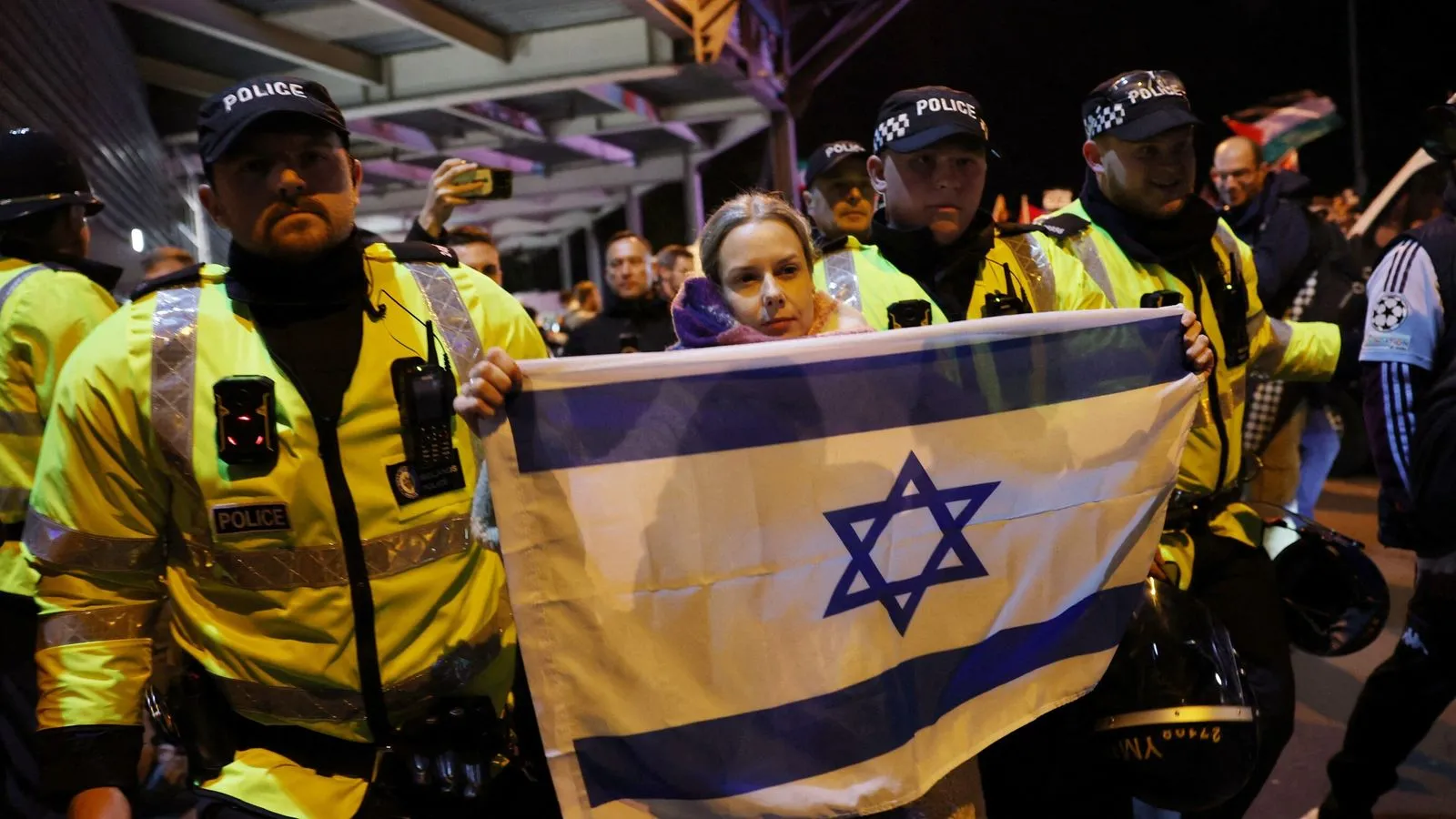
The police watchdog is set to examine the role of West Midlands Police in the decision to bar Maccabi Tel Aviv supporters from attending a European football match in Birmingham, amid questions over how intelligence was gathered, assessed and presented to lawmakers.
The Independent Office for Police Conduct said it will assess evidence provided by West Midlands Police to members of parliament and review the force’s internal findings into the use of intelligence that led to Israeli fans being banned from an Aston Villa fixture earlier this season. The move follows growing political and public scrutiny over whether the decision was proportionate and properly justified.
West Midlands Police imposed the ban ahead of a match involving Aston Villa and Maccabi Tel Aviv, citing concerns over public safety and the potential for disorder. The force said at the time that intelligence indicated a heightened risk connected to the presence of travelling supporters, given wider international tensions and the possibility of protests or clashes.
However, the decision quickly became controversial. Critics argued that the ban unfairly targeted fans based on nationality rather than specific behaviour, and questioned whether the intelligence used met the threshold required for such a sweeping restriction. Several MPs raised concerns in parliament, asking how the intelligence was assessed and whether alternative security measures had been considered.
In response, West Midlands Police carried out an internal review into the decision making process, focusing on how intelligence was gathered, analysed and shared with partners. The force said the review was intended to ensure transparency and to identify any lessons for future operations involving high profile or sensitive events.
The IOPC said its role would be to consider both the evidence given by the police to MPs and the conclusions of the internal review. It stressed that this does not automatically imply wrongdoing, but reflects the importance of independent oversight where police actions raise significant public interest issues.
A spokesperson for the watchdog said it would assess whether the force’s actions were appropriate and consistent with policing standards, particularly around the use of intelligence and the balancing of public safety with individual rights. The IOPC has the power to make recommendations or, if necessary, launch a formal investigation.
The case has wider implications for how police manage international sporting events in a tense geopolitical climate. Football matches involving teams from conflict affected regions have increasingly required complex security planning, with forces under pressure to prevent disorder while avoiding discriminatory or disproportionate measures.
Civil liberties groups have warned that banning entire groups of supporters risks setting a troubling precedent. They argue that intelligence led policing must be precise and evidence based, targeting credible threats rather than imposing blanket restrictions that may undermine trust.
West Midlands Police has defended its overall approach, saying the safety of fans, players and the wider public was its primary concern. Officials have said intelligence assessments are rarely clear cut and often involve difficult judgements made under time pressure.
Aston Villa has previously said it worked closely with police and authorities to comply with safety requirements, while also acknowledging the disappointment felt by supporters who were unable to attend the match.
As the watchdog’s assessment gets under way, attention will focus on whether the intelligence justified the ban and how similar situations might be handled in future. The outcome is likely to influence policing approaches to major sporting events, particularly where international politics and public order intersect.