News
Venezuela Condemns Trump’s Oil Ship Blockade Order as Tensions With US Escalate

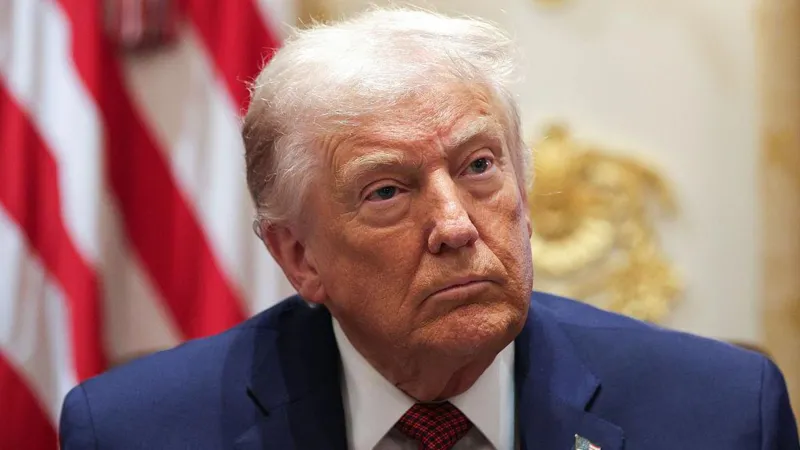
Venezuela has sharply criticised a new directive from US President Donald Trump ordering a full blockade of sanctioned oil tankers entering or leaving the country, describing the move as a dangerous act of provocation that risks further destabilising the region.
Caracas reacted angrily after Trump announced what he called a total and complete blockade targeting vessels linked to Venezuela’s oil exports. In a statement issued on Wednesday, Venezuelan officials denounced the order as warmongering threats and accused Washington of using coercive tactics to undermine the country’s sovereignty and economy.
Trump justified the measure by declaring that the government of Venezuelan President Nicolás Maduro had been designated a foreign terrorist organisation. He alleged that the Maduro administration was involved in activities including drug smuggling and human trafficking, claims that Venezuelan authorities have firmly rejected. Caracas says such accusations are politically motivated and designed to legitimise economic pressure and potential military action.
The blockade announcement follows a series of escalating confrontations between the two countries. Last week, US forces seized an oil tanker off the Venezuelan coast, a move that drew widespread attention because of Venezuela’s heavy dependence on oil exports for revenue. Oil remains the backbone of the Venezuelan economy, and any disruption to shipments has immediate consequences for government finances and access to essential imports.
In recent months, the United States has also stepped up its military posture in the region. US officials have confirmed deadly strikes on boats described as being involved in drug smuggling operations linked to Venezuela. At the same time, Washington has significantly increased its naval presence near Venezuelan waters, raising concerns among analysts about the risk of miscalculation or unintended escalation.
Venezuelan leaders say the blockade order amounts to economic warfare. They argue that targeting oil shipments directly harms the civilian population by restricting the country’s ability to earn foreign currency and import food, medicine, and fuel. Officials have warned that such measures could worsen already severe humanitarian conditions inside the country.
International reaction has been cautious, with some governments urging restraint and dialogue. Analysts note that a full blockade of oil tankers would represent a major escalation compared with existing sanctions, potentially affecting global energy markets as well as regional security. Venezuela holds some of the world’s largest proven oil reserves, and any disruption to its exports can have ripple effects beyond Latin America.
Supporters of the US position argue that tougher measures are necessary to pressure the Maduro government, which Washington does not recognise as legitimate. Critics counter that years of sanctions and isolation have failed to bring political change while inflicting significant harm on ordinary Venezuelans.
For Venezuela, the latest US move reinforces a narrative of external aggression that the government has long used to rally domestic support. State media has portrayed the blockade order as evidence that Washington is willing to push the confrontation to new and dangerous levels.
As tensions rise, the risk of further incidents at sea or along key shipping routes appears to be growing. Whether the blockade threat will be fully enforced, or used as leverage in a broader political strategy, remains unclear. What is certain is that relations between the United States and Venezuela are entering another volatile chapter, with little sign of de escalation in the near future.