
News
US Suspends Assistance to Somalia Over Alleged Seizure of Donor Funded Food Aid

The United States has halted all assistance to the government of Somalia following allegationsory allegations that Somali officials illegally seized and destroyed humanitarian food supplies intended for vulnerable civilians, escalating tensions between Washington and Mogadishu at a time of deep humanitarian need.
US officials said the decision was taken after receiving credible information that government linked actors were involved in the destruction of a warehouse operated by the World Food Programme and the unlawful seizure of donor funded food aid. The supplies were intended for emergency distribution to communities facing acute food insecurity due to conflict, drought and economic instability.
According to the US government, the alleged incident represents a serious breach of trust and a violation of international humanitarian principles. Officials said aid provided by American taxpayers is strictly designated for civilian use and must not be diverted, destroyed or politicised. Until assurances are provided and accountability measures are put in place, all assistance to Somalia’s federal government will remain suspended.
The halt covers a wide range of support, including budgetary assistance, development programmes and security related funding that flows through government channels. Humanitarian aid delivered directly through international organisations and non government partners is expected to continue, although officials acknowledged that the suspension could still have indirect effects on overall aid coordination.
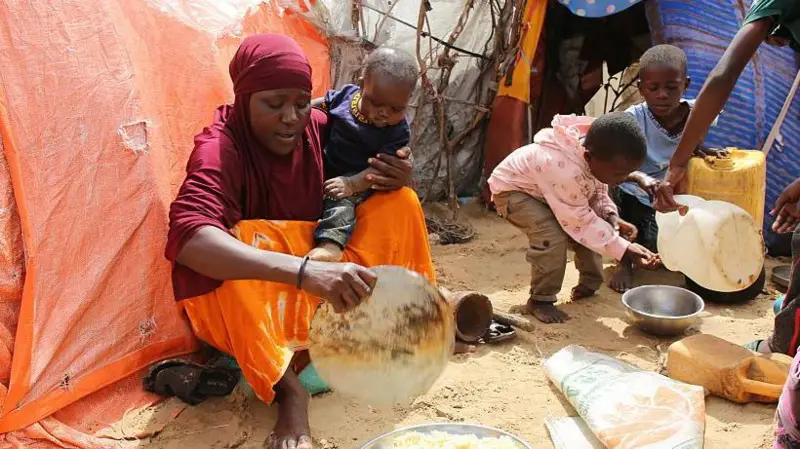
Somalia remains one of the world’s most aid dependent countries, with millions of people relying on international assistance for basic survival. Years of conflict, repeated climate shocks and weak institutions have left large parts of the population vulnerable to hunger and displacement. Any disruption to aid relationships carries significant risks for civilians.
Somali authorities have not publicly accepted responsibility for the alleged seizure. Government representatives said they are seeking clarification on the accusations and stressed their commitment to working with international partners. Some officials suggested that local level actions may not reflect national policy, while others called for a joint investigation to establish the facts.
The incident has highlighted longstanding concerns among donors about corruption, mismanagement and political interference in aid distribution within Somalia. While reforms have been promised repeatedly, progress has been uneven, and international partners have often struggled to balance the need for oversight with the urgency of humanitarian delivery.
US officials said the suspension is intended as leverage to push for accountability rather than punishment of the Somali people. They emphasised that food aid and life saving assistance delivered through trusted humanitarian channels would continue, and that Washington remains committed to supporting stability and recovery in Somalia if conditions are met.
Aid experts warn, however, that even targeted suspensions can create uncertainty on the ground. Coordination between government agencies and humanitarian organisations is essential for access, security and logistics. A breakdown in trust at the political level can complicate operations, slow response times and increase risks for aid workers.
The World Food Programme has not provided detailed public comment on the warehouse incident but reiterated its long standing policy of zero tolerance for interference in humanitarian operations. The agency has previously warned that aid diversion undermines donor confidence and directly harms people in need.
Analysts say the episode underscores the fragile nature of Somalia’s relationships with international donors. As global aid budgets tighten and scrutiny increases, governments accused of misusing assistance face growing consequences.
For Somalia, the path forward will likely depend on how quickly authorities can address the allegations, demonstrate accountability and reassure partners. Until then, the suspension of US assistance stands as a stark reminder that humanitarian aid depends not only on need, but also on trust and responsible governance.



