News
US Strikes on Suspected Drug Boats Kill Eight as Legal Questions Intensify

The United States military says eight people were killed after American forces carried out strikes on three boats accused of trafficking drugs in the Pacific Ocean, marking the latest escalation in Washington’s aggressive campaign against narcotics networks operating at sea. The operation has drawn renewed scrutiny from legal experts and human rights observers, who question whether the strikes comply with international law.
According to US Southern Command, the vessels were intercepted while traveling along routes commonly associated with narcotics trafficking. The military shared video footage of the strikes on social media, stating that the boats were actively engaged in transporting illegal drugs. Officials said the action was taken as part of broader efforts to disrupt criminal networks accused of fueling drug violence and addiction.
The latest incident adds to a growing list of maritime strikes carried out by the US in the Pacific and Caribbean in recent months. More than 20 vessels have been targeted during this period, resulting in at least 90 deaths. The campaign has expanded under President Donald Trump, who has repeatedly accused criminal gangs and cartels of using maritime routes to smuggle drugs toward the United States.
While US officials frame the operations as necessary for national security, critics argue the strikes raise serious legal and ethical concerns. Several experts say such actions may fall outside the scope of the laws governing armed conflict, particularly when they occur outside declared war zones and involve individuals not clearly identified as combatants.
The first strike in the campaign, carried out on September 2, has attracted particular attention. In that incident, there were two separate attacks on the same suspected drug boat. Survivors of the initial strike were reportedly killed in a second attack shortly afterward. Legal specialists told BBC Verify that this so called double strike was likely unlawful and could be classified as an extrajudicial killing under international law.
Concerns extend beyond that single case. A former chief prosecutor at the International Criminal Court previously told the BBC that the broader US campaign could be viewed as a planned and systematic attack against civilians during peacetime. Such a classification, if upheld, would carry serious legal implications and further intensify calls for independent investigations.
The White House has rejected these criticisms. In a statement, officials said the strikes were conducted in accordance with the laws of armed conflict and were necessary to protect the United States from criminal organizations attempting to bring drugs into the country. The administration has emphasized the human cost of drug trafficking, arguing that decisive action is required to save American lives.
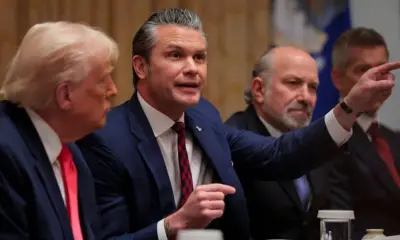
US Defence Secretary Pete Hegseth is expected to brief members of both chambers of Congress alongside Secretary of State Marco Rubio. According to Politico, the officials plan to show video footage of the controversial double strike to members of the armed services committees in both the House and Senate. Hegseth has faced growing pressure from lawmakers and civil society groups to release the footage publicly.
As debate intensifies, the strikes highlight the tension between security objectives and legal constraints. While the US government insists it is acting to disrupt dangerous criminal networks, critics warn that expanding military force into law enforcement roles risks eroding international norms and accountability.
The controversy is likely to persist as more details emerge and as lawmakers weigh the implications of a campaign that blends counter narcotics efforts with military power far from US shores.