News
Ukraine’s Energy System Under Severe Strain as Russian Attacks Intensify

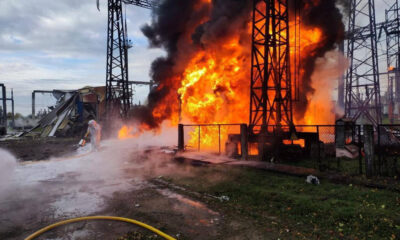
Ukraine is struggling to keep electricity flowing across much of the country as repeated Russian attacks continue to damage critical energy infrastructure, according to the head of the nation’s largest private power provider. With winter temperatures dropping and air strikes growing more frequent, the country’s energy system is operating in what industry leaders describe as constant emergency mode.
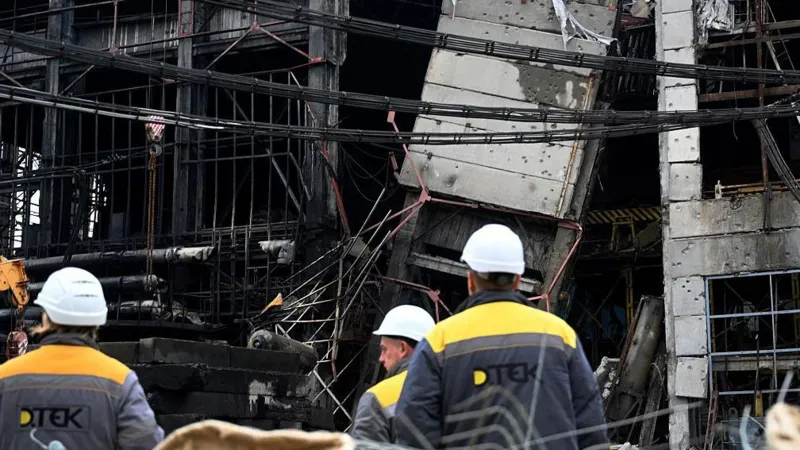
Maxim Timchenko, chief executive of DTEK, said his company is facing relentless pressure as Russian forces target power generation and transmission facilities. DTEK supplies electricity to around 5.6 million people, making it a central pillar of Ukraine’s energy network. Timchenko said the pace and intensity of attacks have made recovery increasingly difficult, with repairs often interrupted by new strikes before damaged facilities can be fully restored.
Across much of Ukraine, residents are enduring extended power outages that disrupt daily life and essential services. As temperatures fall, the lack of reliable electricity also threatens heating systems, water supply, and healthcare facilities. Timchenko warned that energy workers are racing against time, often repairing infrastructure under dangerous conditions, only to see their efforts undone by fresh bombardments.
He said the challenge is no longer just about fixing broken equipment, but about surviving an ongoing campaign designed to exhaust Ukraine’s ability to respond. According to Timchenko, the grid barely has time to stabilize before the next wave of damage occurs. Energy crews, he added, are working around the clock despite the constant risk to their safety.
President Volodymyr Zelensky has echoed these concerns, describing Russia’s strategy as an attempt to turn winter itself into a weapon. Speaking to the Dutch parliament, Zelensky said Moscow understands that cold weather can amplify suffering when combined with attacks on electricity and heating infrastructure. He warned that the humanitarian impact could be severe if strikes continue at their current pace.
Zelensky painted a stark picture of nightly life for many Ukrainian families. He said parents across the country are sheltering with their children in basements and underground spaces, hoping air defence systems can prevent missiles and drones from reaching their targets. The uncertainty, he added, is taking a heavy psychological toll alongside the physical hardships.
Ukraine has invested heavily in air defence and grid protection measures, but the scale of the attacks has pushed the system to its limits. Energy experts say the deliberate targeting of power infrastructure represents a form of economic and civilian pressure aimed at weakening morale during the coldest months of the year. International partners have provided equipment and financial support to help stabilize the grid, yet the need continues to outpace available resources.
Despite the challenges, Ukrainian energy workers have become symbols of resilience, repeatedly restoring power under fire. Timchenko said their determination remains strong, but he cautioned that sustained international assistance is critical to prevent a deeper crisis. Spare parts, advanced air defence, and emergency funding are all needed to keep the lights on.
As winter deepens, the battle over Ukraine’s energy system is becoming one of the central fronts of the war. For millions of civilians, the struggle is no longer just about territory or politics, but about warmth, light, and the ability to endure another night.