Politics
UK Work Visa Numbers Fall 19 Percent in 2025 as Migration Tightens

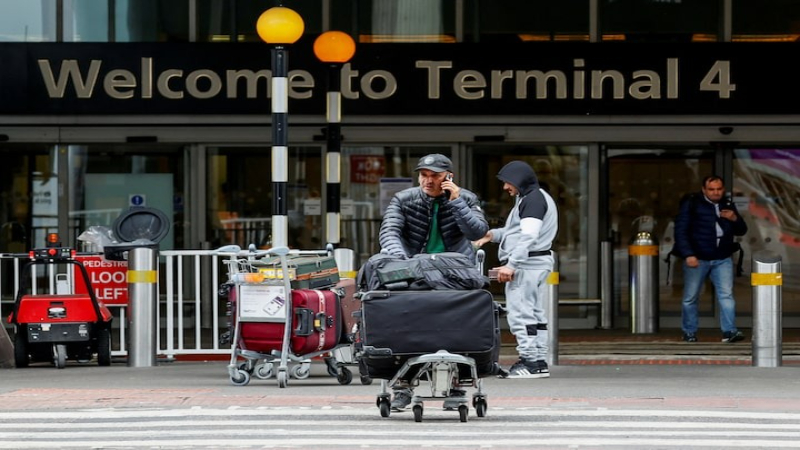
The number of work visas issued by the United Kingdom fell by 19 percent in 2025 compared with the previous year, according to new government data, highlighting the continued impact of tighter immigration rules.
A total of 168,000 work visas were granted in the year to December 2025. That marks a sharp drop not only from 2024 but also from 2023, when visa issuance was significantly higher. The figures reflect a broader policy shift aimed at reducing legal migration levels following record inflows in recent years.
The decline has been particularly pronounced in the health and care sector, where visas were roughly halved compared with the previous year. Skilled worker visas outside the care industry also fell by 36 percent, suggesting a wider slowdown in overseas recruitment across multiple sectors of the economy.
Successive governments have introduced stricter criteria for work visas, including higher salary thresholds and limits on dependants for certain categories. Ministers argue that the measures are designed to reduce reliance on overseas labour while encouraging employers to invest in domestic training and workforce development.
The data comes at a politically sensitive time. Prime Minister Keir Starmer faces sustained pressure over migration policy, with opinion polls showing strong support for Reform UK, a party campaigning on a platform of stricter border controls. Migration remains one of the most prominent issues in national debate, alongside the cost of living and public services.
Official figures also show that long term net migration has fallen sharply compared with previous peaks. Earlier statistics indicated that net migration declined by more than two thirds in the year to June, reversing the record highs seen after the pandemic.
At the same time, irregular migration continues to challenge policymakers. The latest data recorded 46,497 detected arrivals through illegal routes, a 7 percent increase on the previous year. Of those arrivals, 89 percent crossed the Channel in small boats, underlining the continued pressure on border enforcement.
Asylum claims totalled just over 100,000 during the period, slightly lower than the previous year. Meanwhile, forced removals from the UK rose by 21 percent to 9,900, reflecting increased efforts to return individuals without the right to remain.
Business groups have warned that a sustained drop in work visas could exacerbate labour shortages in sectors already struggling to recruit, including healthcare, hospitality and construction. Supporters of stricter controls argue that lower migration will ease pressure on housing, schools and public services.
With migration policy likely to remain central to political debate ahead of upcoming elections, the latest figures provide fresh evidence of the government’s attempt to balance economic needs with promises to reduce overall numbers.