Business
UK Stocks Suffer Sharpest Daily Fall in Almost a Year as Inflation Fears Mount

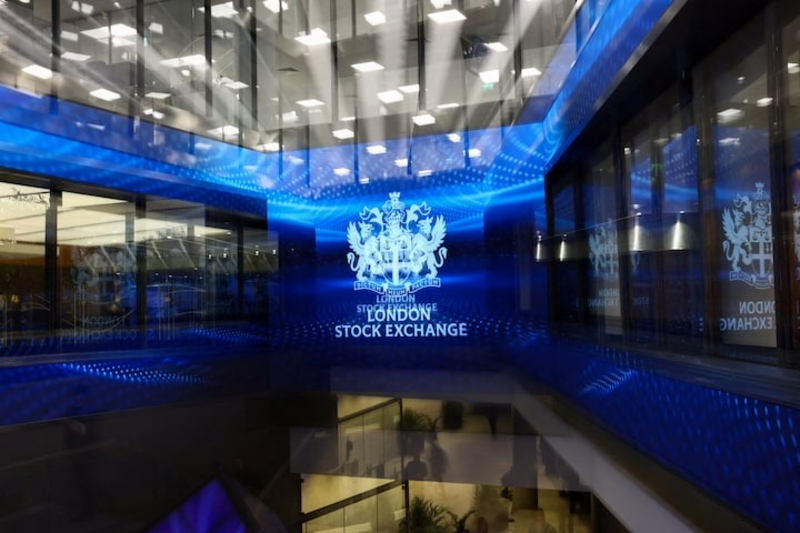
UK stock markets recorded their steepest one day decline in nearly a year as rising energy prices and renewed inflation concerns unsettled investors across the City of London.
The benchmark FTSE 100 index fell 2.8 percent, while the mid cap FTSE 250 dropped 3.1 percent, marking the sharpest daily losses for both indices since early 2025. The selloff was broad based, with banks, mining firms, housebuilders and travel stocks all coming under pressure.
The market retreat followed a sharp rise in global oil and gas prices linked to escalating conflict in the Middle East. Brent crude climbed close to 7 percent, while European gas prices surged around 15 percent amid fears of supply disruptions and reports of shipping constraints in key transit routes.
Higher energy prices have revived concerns about inflation in the UK, where price growth has only recently begun to moderate after a prolonged cost of living crisis. Investors now worry that sustained increases in fuel and gas costs could delay expected interest rate cuts by the Bank of England.
Traders sharply reduced their expectations for a near term rate cut. Market pricing suggests less than a one in three chance of a quarter point reduction at the central bank’s upcoming meeting, compared with strong expectations of a cut just days earlier. Government bond yields rose for a second consecutive session, reflecting the shift in sentiment.
The market turbulence comes alongside a revised economic outlook. Chancellor Rachel Reeves recently confirmed that Britain’s economy is forecast to grow by 1.1 percent this year, according to updated projections from the Office for Budget Responsibility. While growth for the following two years was nudged higher to 1.6 percent, the pace remains modest compared with pre financial crisis averages.
Analysts say that if higher energy prices squeeze household incomes and keep inflation elevated, hopes for a stronger economic rebound could fade. Persistent inflation would limit the Bank of England’s flexibility and could maintain pressure on borrowing costs for businesses and consumers.
Airline shares were among the notable fallers, with International Airlines Group declining as investors factored in higher fuel expenses and ongoing travel disruption linked to regional instability. Meanwhile, healthcare group Smith and Nephew was among the few gainers after receiving a price target upgrade from a major bank.
The volatility underscores how sensitive UK financial markets remain to global developments. Energy costs play a central role in shaping inflation expectations, monetary policy decisions and corporate earnings forecasts.
With geopolitical tensions unresolved and commodity markets fluctuating, investors are likely to remain cautious in the near term. The combination of softer growth forecasts, shifting rate expectations and rising input costs has created a challenging environment for UK equities.