Business
UK Manufacturing Grows for Fourth Month as Export Orders Hit Four Year High

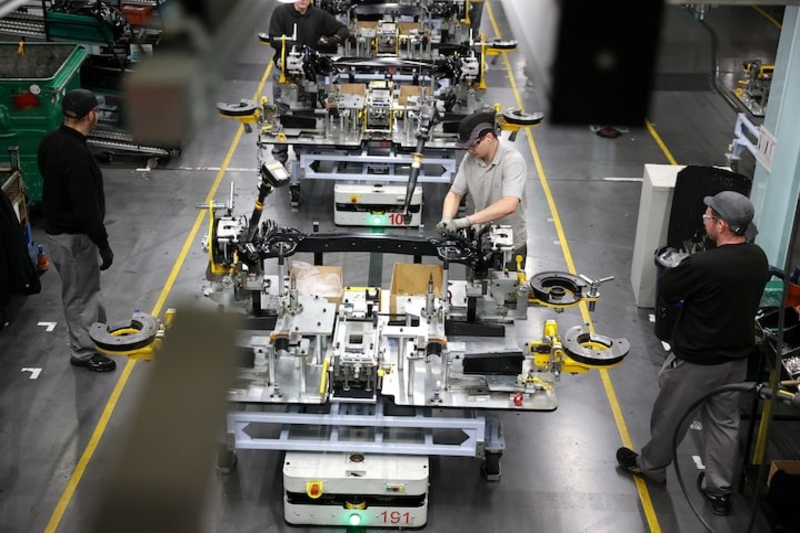
Britain’s manufacturing sector expanded for a fourth consecutive month in February, signalling steady momentum at the start of 2026 despite mounting cost pressures and wider economic uncertainty.
The latest Purchasing Managers’ Index from S and P Global showed factory activity easing slightly to 51.7 in February from 51.8 in January. Although marginally lower than the previous month and below an earlier estimate of 52.0, the figure remains comfortably above the 50 mark that separates growth from contraction. It also represents the longest run of expansion since the five months leading up to September 2024.
A key driver of the improvement was export demand. New export orders rose to 52.4, up from 51.9 in January, marking the strongest reading since August 2021. Manufacturers reported increased demand from China, Europe, the United States and the Middle East, helping to offset domestic caution.
Industry analysts described the figures as an encouraging sign for the sector. Firms cited new product launches, improved client confidence and planned capital investments as supportive factors for continued growth over the coming year. However, businesses remain mindful of geopolitical risks and potential trade disruptions, particularly linked to tariffs and international tensions.
Cost pressures, meanwhile, intensified. Input prices rose at the fastest pace since August 2025, driven by higher costs for energy, chemicals and electronic components. Manufacturers also pointed to rising prices for metals such as copper, gold and silver. Suppliers have been passing on increased labour costs following last year’s changes to employment taxes and the minimum wage.
Despite these challenges, output price inflation showed signs of easing slightly, suggesting some businesses may be absorbing part of the cost burden rather than fully passing it on to customers.
Confidence levels across the sector remain close to their highest since shortly after Prime Minister Keir Starmer’s government took office. Even so, some survey respondents expressed concern about the broader political and economic landscape. Labour recently suffered a significant setback in a parliamentary by election in Greater Manchester, a result that has prompted renewed debate over the domestic policy environment.
The labour market picture also presents mixed signals. Britain’s unemployment rate climbed steadily throughout 2025, reaching its highest level in nearly five years during the final quarter. However, the survey indicated that the pace of job cuts in manufacturing is easing. The rate of contraction in employment was the weakest seen during the current 16 month downturn, suggesting early signs of stabilisation.
With export orders strengthening and domestic demand holding up, manufacturers appear cautiously optimistic about the months ahead. The combination of resilient output and improved global demand provides a degree of support for the wider UK economy as it navigates inflationary pressures and global uncertainty.